


عالمی بروکر ریگولیشن چیک کرنے والا ایپ
WikiFX
اردو
简体中文
繁體中文
English
Pусский
日本語
ภาษาไทย
Tiếng Việt
Bahasa Indonesia
Español
हिन्दी
Filippiiniläinen
Français
Deutsch
Português
Türkçe
한국어
العربية
اردو
Why Chasing Price Movements Usually Ends in Margin Calls

خلاصہ۔:A clear explanation of why beginner traders lose money by chasing fast price movements, and how using the 1% risk rule and mechanical trade planning can protect your capital from margin calls.
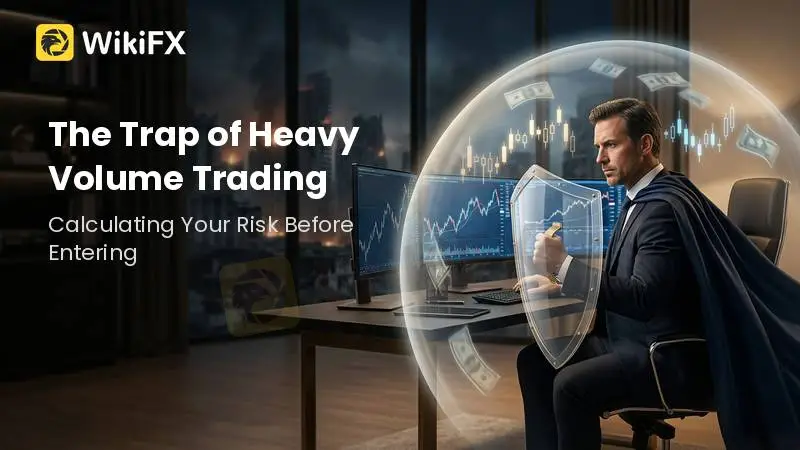
Many beginners are drawn to the foreign exchange market by the idea of fast profits, but they quickly realize the environment is unforgiving. One of the most common entry mistakes new traders make is jumping into a trade simply because the price is moving fast. You see a green candle jump on the chart, fear missing out on the profit, and immediately buy.
Moments later, the price drops. This habit of chasing highs and then panic-selling at the lows is driven entirely by emotion. In the forex market, the crowd is often wrong. Trading based on temporary market excitement rather than a fixed strategy is the fastest way to empty your trading account.
 فہرست
فہرستThe Trap of Heavy Volume Trading
The forex market operates like a jungle. It is populated by large banks, institutional funds, and experienced professionals who trade with strict discipline. When retail beginners enter the market without a clear target, they become easy prey.
When you chase a moving price, you are reacting instead of planning. This often leads to heavy volume trading—putting far too much of your capital into a single position because you feel certain the trend will continue. When you expose a massive percentage of your account balance to one trade, a sudden market reversal will quickly drain your funds. If you do not have enough margin left to keep the trade open, the broker will trigger a margin call and automatically close your positions at a heavy loss.
Calculating Your Risk Before Entering
To stop chasing prices and avoid sudden account wipeouts, you need to change how you look at a trade. Instead of focusing on how much money you might make, you must focus on how much you are allowed to lose.
Professional traders survive by managing their position size. A standard rule of capital protection is to never let a single trade risk more than 1% of your total account balance. For example, if you have a $100,000 account, your maximum allowed loss for one trade is $1,000.
You must calculate your trade size backwards from your stop loss, not forwards from your ambition. If you plan to enter a trade at $105 and your technical analysis tells you the stop loss must be placed at $100, you are risking $5 per unit. To keep your total risk capped at $1,000, you can only trade 200 units.
By sizing your position based on the exact distance to your stop loss, a string of losing trades becomes a minor, manageable expense rather than a disaster that ends your trading journey.
Removing Emotion with a Mechanical System
Creating a mechanical trading system is the best way to cure the urge to chase the market. A mechanical system simply means establishing strict rules for when you enter, where you take profit, and where you cut losses.
Human nature naturally works against good trading. Behavioral finance studies show that when investors face a losing trade, they tend to hold onto it, hoping the price will bounce back so they can break even. Conversely, when a trade is slightly profitable, they panic and cash out too early in fear of losing the small gain.
To beat this, you must plan every exit scenario before you ever click the buy or sell button. Once you are in an active trade, emotions take over. You will feel pressure to move your stop loss or take early profits. If your rules are already mapped out, you do not need to make decisions in the heat of the moment. You simply let the market hit your stop loss or your profit target. Your goal is to execute the plan without emotion, acting almost like a machine.
Final Steps for A Safe Start
Profitable trading requires a quiet mindset, calculated lot sizes, and the discipline to walk away when the market does not match your system. Spend time testing your strategy on a demo account until your reactions become a habit.
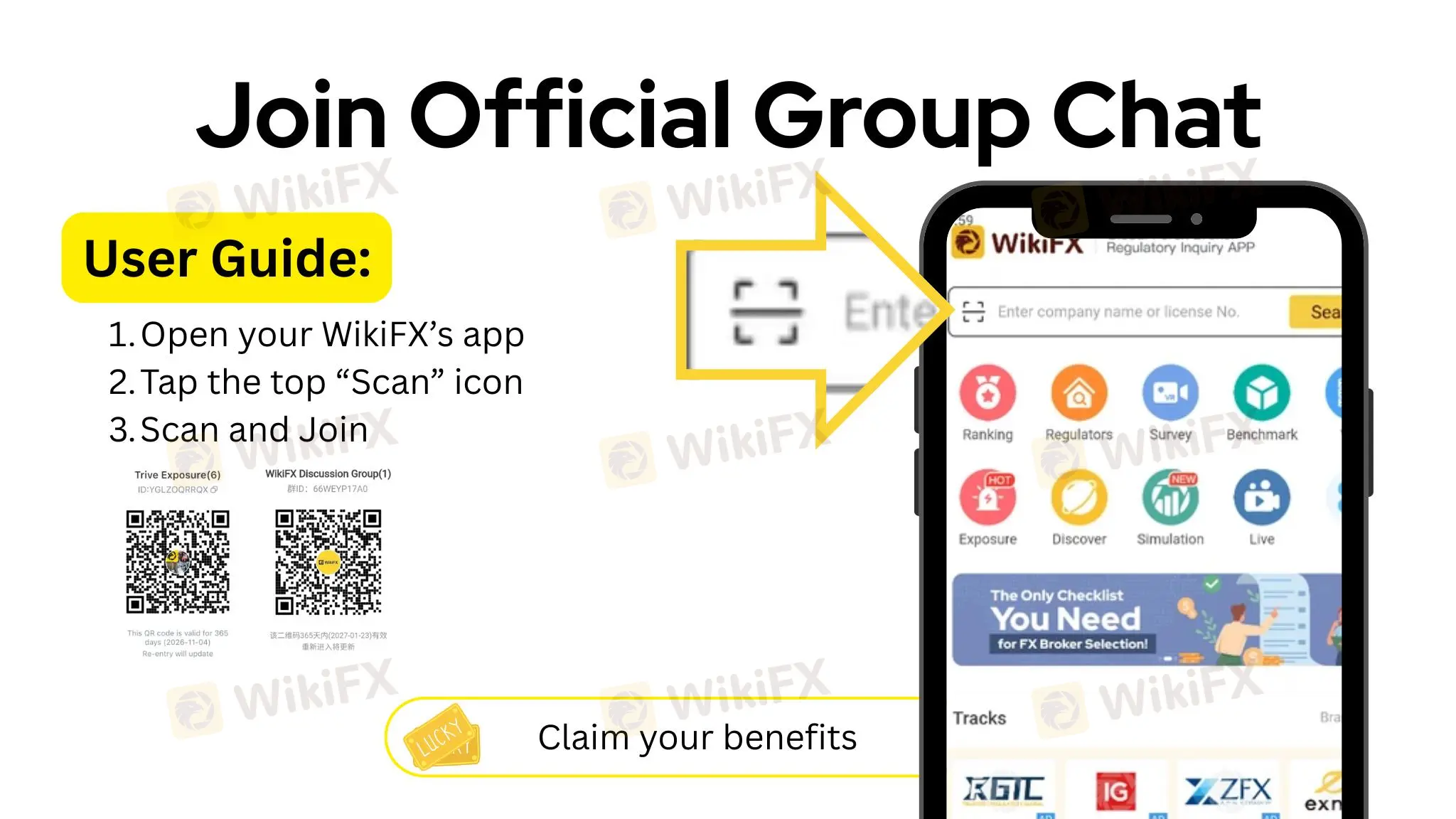
Before you put real capital on the line, ensure your trading environment is safe. You can use the WikiFX app to run a quick background check on your chosen broker to verify their regulatory status and operating licenses. Keeping your funds with a verified, heavily regulated platform ensures your money is secure, leaving you free to focus entirely on executing your daily trading plan.

ڈس کلیمر:
یہ مضمون صرف مصنف کی ذاتی رائے پر مبنی ہے، یہ پلیٹ فارم کی سرمایہ کاری کی مشورہ نہیں ہے۔ پلیٹ فارم مضمون کی معلومات کی درستگی، مکملیت اور بروقت ہونے کی کوئی ضمانت نہیں دیتا، اور مضمون کی معلومات پر اعتماد یا استعمال سے ہونے والے کسی بھی نقصان کی ذمہ داری قبول نہیں کرتا۔
WIKIFX بروکر
ایکسچینج ریٹ کا حساب
USD

CNY
موجودہ ایکسچینج ریٹ:0
براہ کرم رقم درج کریں۔
USD
تبادلہ کے قابل رقم
CNY
حساب شروع کریں 