简体中文
繁體中文
English
Pусский
日本語
ภาษาไทย
Tiếng Việt
Bahasa Indonesia
Español
हिन्दी
Filippiiniläinen
Français
Deutsch
Português
Türkçe
한국어
العربية
South Korean inflation expectations at near decade high - survey
Abstract:A key measure of inflation expectations among South Koreans rose in May for a fourth consecutive month to its highest in nearly a decade
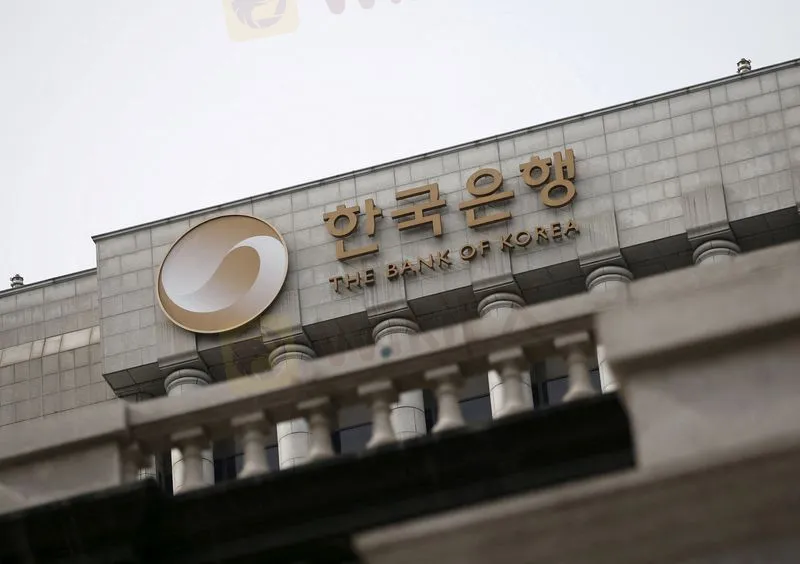
A key measure of inflation expectations among South Koreans rose in May for a fourth consecutive month to its highest in nearly a decade, a central bank survey found on Tuesday, two days ahead of its policy meeting.
South Koreans expect consumer inflation to average a median 3.3% over the next 12 months, up from 3.1% in April, touching its highest since October 2012, the Bank of Korea's monthly survey showed.
The finding comes just before the central bank's monetary policy review on Thursday. The BOK has raised rates by a total of 100 basis points in four steps since August last year from a record-low 0.50% to fight inflation.
In April, annual consumer inflation in Asia's fourth-largest economy quickened far more than expectations to hit a more than 13-year high of 4.8%, prompting analysts to increase their bets for further tightening.
The central bank also said on Tuesday the consumer sentiment index dipped to 102.6, its lowest since August last year, from 103.8 in April. Please download WikiFX for more forex news.
The sentiment index still stood above the long-term average of 100 separating optimism and pessimism about the future.
More than 2,300 households in urban areas participated in the survey, which polled for inflation expectations and consumer sentiment among other topics, between May 10-17.

Disclaimer:
The views in this article only represent the author's personal views, and do not constitute investment advice on this platform. This platform does not guarantee the accuracy, completeness and timeliness of the information in the article, and will not be liable for any loss caused by the use of or reliance on the information in the article.
Read more

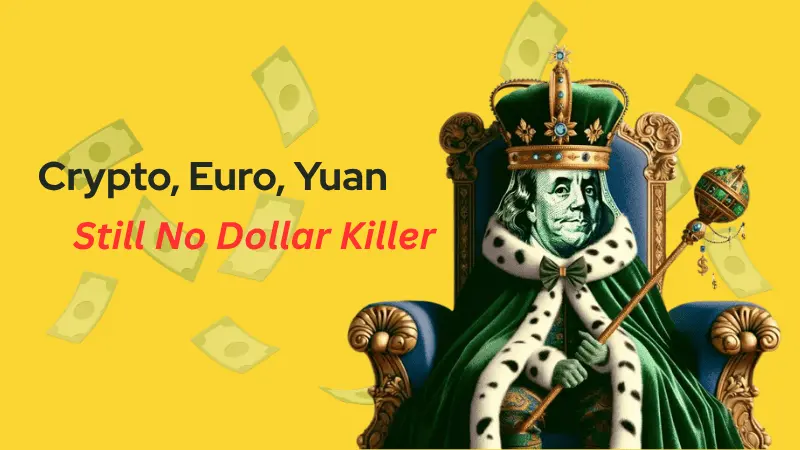
Crypto, Euro, Yuan: Still No Dollar Killer
Despite frequent “de-dollarization” headlines, the U.S. dollar remains unrivaled due to unmatched market depth, global usability, and trusted legal/institutional frameworks. Crypto and other currencies (euro, yuan) lack the stability, convertibility, and infrastructure required to replace the USD, while the Fed’s credibility and the scale of U.S. financial markets continue to anchor demand. Bottom line: no alternative currently offers a complete, credible substitute for the dollar’s global role.

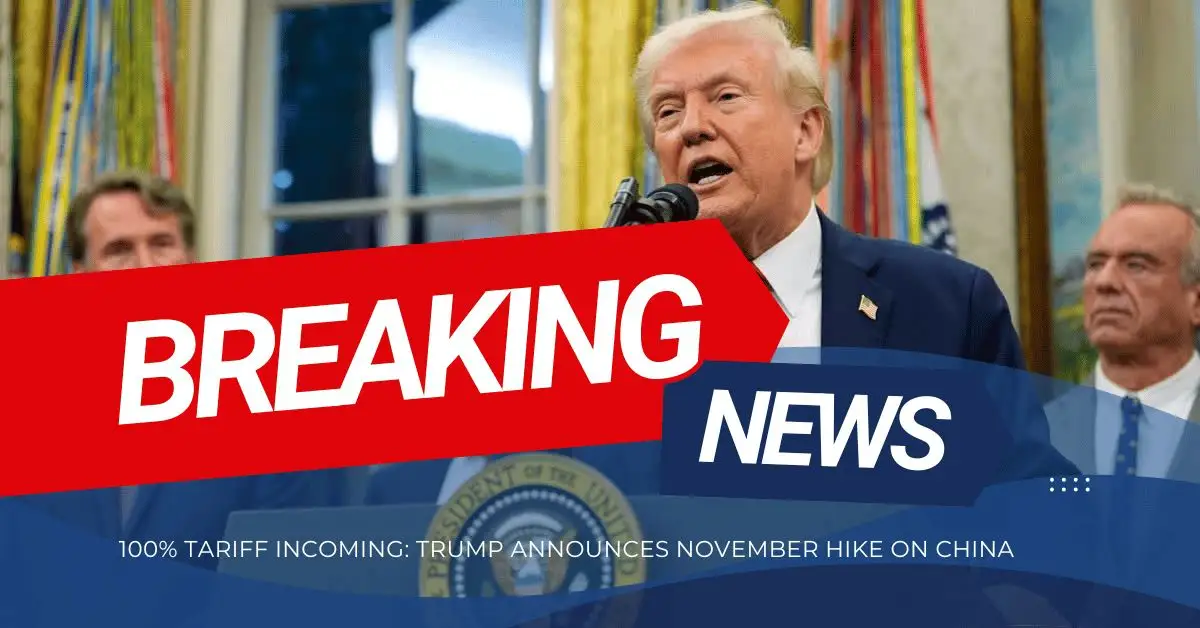
100% Tariff Incoming: Trump Announces November Hike on China
The U.S. will impose an additional 100% tariff on Chinese imports starting Nov. 1, 2025—potentially earlier—alongside new export controls on “critical software,” escalating tensions after Beijing’s rare-earth curbs, new port fees, a Qualcomm probe, and a halt to U.S. soybean purchases. Stocks fell on the news. Key context: some U.S.-China tariffs remain paused until Nov. 10, a Supreme Court case could reshape Trump’s tariff authority, new U.S. duties on cabinets (Oct. 1) and wood products (Oct. 14) are in force, and a pause on Mexico tariffs is set to end next month.

What is NFP in Forex? An Insightful Guide for Traders
The Non-farm Payroll (NFP) report may be for the US. However, the report, which is issued every month, impacts the forex market globally. The monthly report estimates the number of jobs gained in the US in the previous month. The job numbers stated on this report exclude those of farms, private households, and non-profit organizations. Usually released on the first Friday of the month, the report also includes the US unemployment rate, average hourly earnings, and participation rate. In this article, we have answered the question - what is NFP in forex - and shared other pertinent details. Read on!

Fed Rate Cuts May Not Happen in July, Markets Await Policy Meeting Minutes Release
Federal Reserve officials had a meeting on June 17-18 during which some of them expressed a fall in interest rates in July. However, a lot of policymakers are still worried about the inflationary pressures that might emerge from US President Donald Trump’s import tariff decisions aimed at changing global trade. So, it seems the rate cut may not happen in July. Read this to know more.