


UK Retail Sales July 2026 Fall 0.5%: What the Result Means for GBP
UK retail sales fell 0.5% in July 2026, while the three-month measure rose 1.1%. See the ONS details and what the mixed result may mean for GBP.
Original

简体中文
繁體中文
English
Pусский
日本語
ภาษาไทย
Tiếng Việt
Bahasa Indonesia
Español
हिन्दी
Filippiiniläinen
Français
Deutsch
Português
Türkçe
한국어
العربية
اردو




Abstract:In order to facilitate our targeted help, WikiFX divides complaints from investors into four types based on the victim's reason for complaining. Throughout July and August, WikiFX has collected nearly 2,000 complaints. A question has been raised in our mind: what type of exposure appears most frequently? In this article, WikiFX will rank the exposure categories according to their severity.

In order to facilitate our targeted help, WikiFX divides complaints from investors into four types based on the victim's reason for complaining. Throughout July and August, WikiFX has collected nearly 2,000 complaints. A question has been raised in our mind: what type of exposure appears most frequently? In this article, WikiFX will rank the exposure categories according to their severity.
About WikiFX
| WikiFX is an authoritative global inquiry platform providing basic information inquiry and regulatory license inquiry. |
| WikiFX can evaluate the safety and reliability of more than 38,000 global forex brokers. |
| WikiFX gives you a huge advantage while seeking the best forex brokers. For more information, such as the review and exposure of brokers, please visit our website (https://www.WikiFX.com/en) |
Exposure on WikiFX
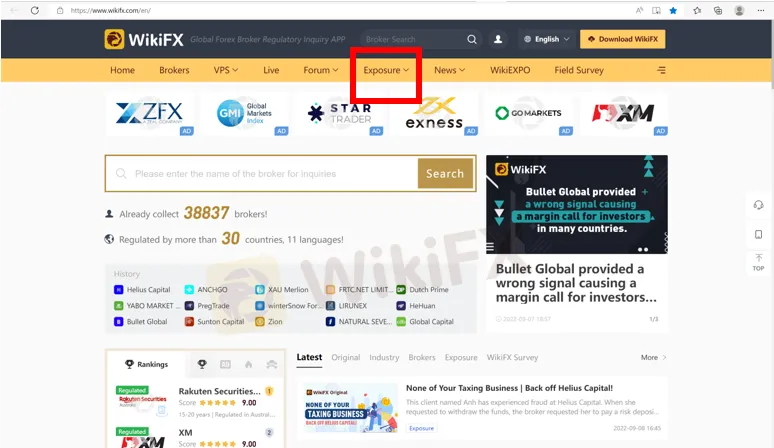
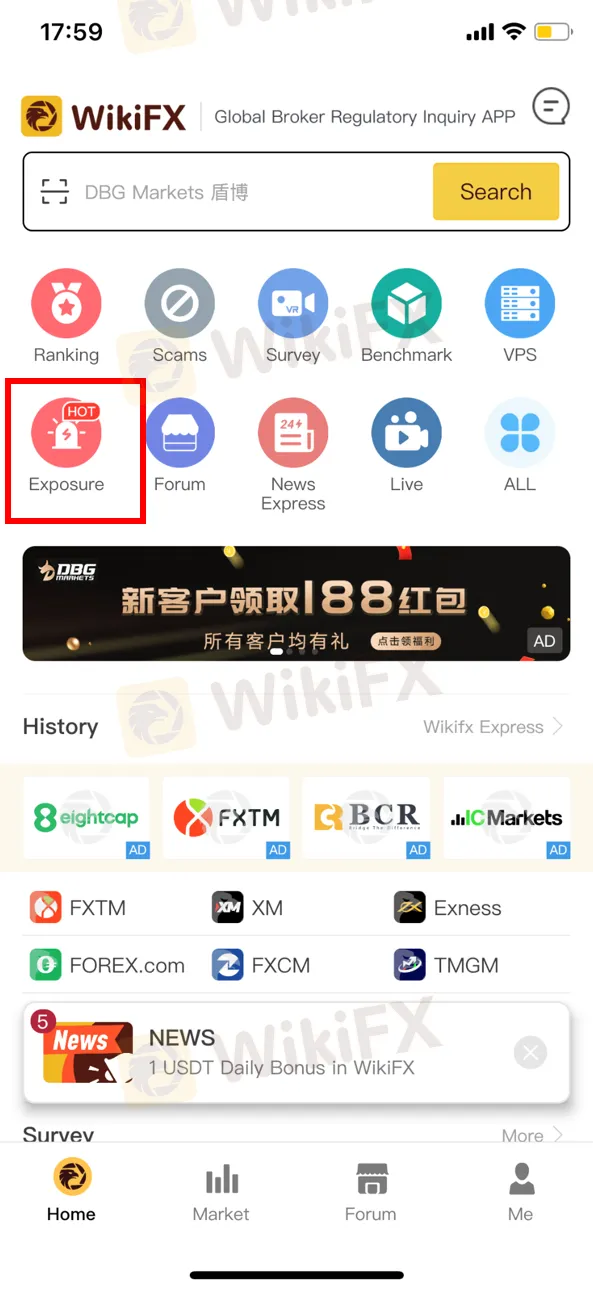
On WikiFX, the Exposure consists of feedback from traders. A bad track record of brokers can be checked via Exposure. WikiFXs Exposure function helps you get feedback from other traders and remind you of the risks before it starts.
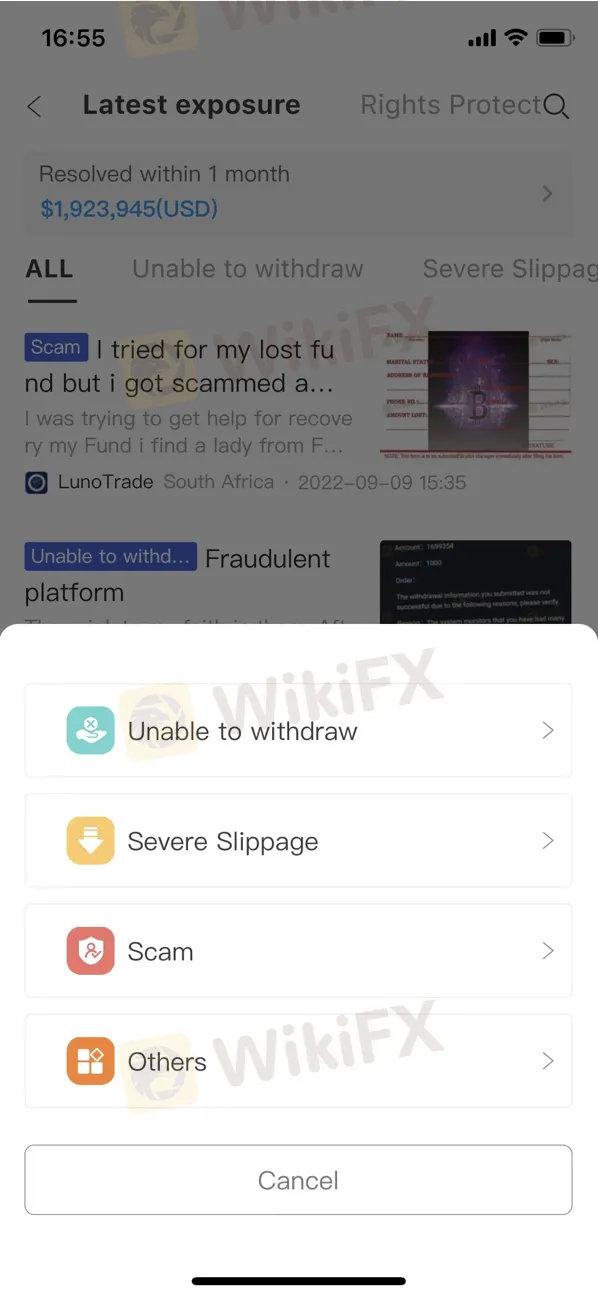
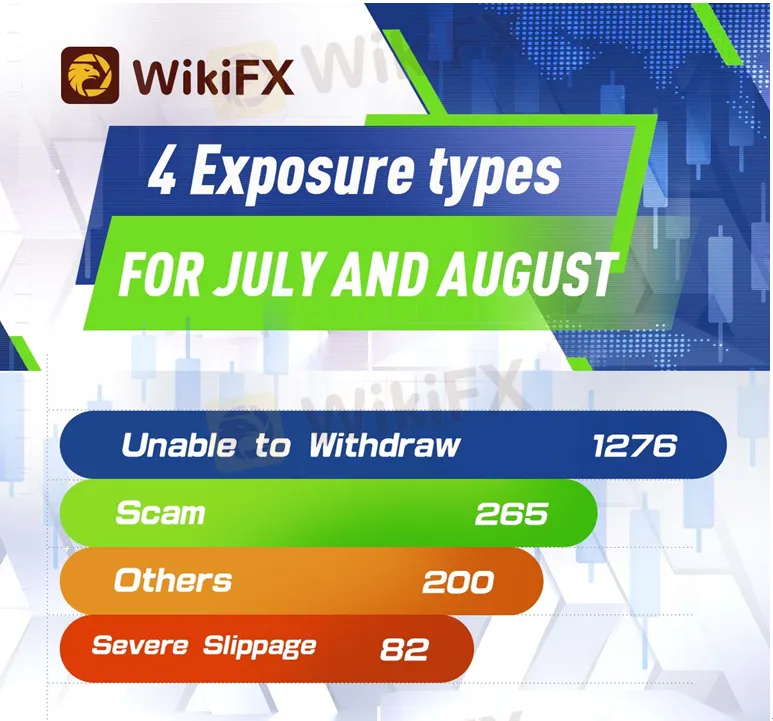
Ranking of 4 exposure types for July and August
1. Unable to Withdraw (1276)
As of September 8, 2022, WikiFX has received 1276 exposures related to “Unable to Withdraw” from July to August.
It is no doubt that withdrawal rejection is the most serious and common problem that many investors met when they invest in an unreliable broker. Refusing to allow clients to withdraw is the typical trick that scam brokers do. Scammers take clients‘ funds away fraudulently. And make unacceptable excuses to delay and reject clients’ withdrawal requests.
Some scam brokers ask investors to pay extra tax or risky fees if the investors insisted on withdrawal. Tax scams are one of the common tactics used by unreliable forex brokers. WikiFX has witnessed many cases wherein a fraudulent forex broker scared their trading clients about having tax payments in arrears and urged them to pay quickly before being punished by the authorities. However, it is rare to see a forex broker that uses this as an ultimatum, or rather “threat” towards its client. These brokers threatened to freeze traders' accounts by demanding that they pay their taxes by a specified date.
WikiFX currently has made an article about the scam brokers rejecting victims withdrawal requests and even putting forward unacceptable demands. Please feel free to read this article via the link. https://www.wikifx.com/en/newsdetail/202209079914856356.html
2. Scam (265)
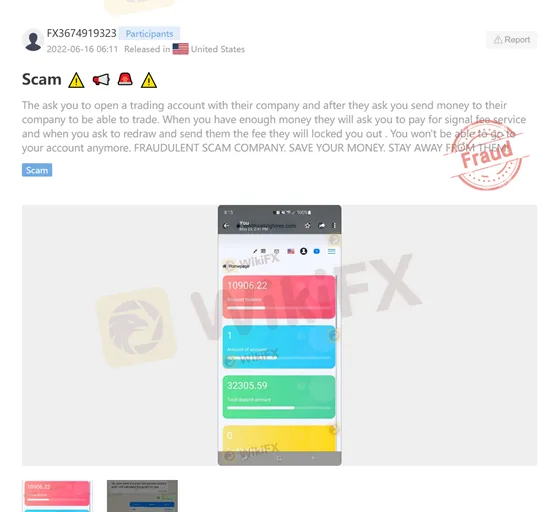
As of September 8, 2022, WikiFX has received 265 exposures related to “Scam” from July to August.
Usually, the investors accused brokers of scams because they have terrible customer service. The agents do not help efficiently or they do not respond at all.
Those brokers may use tempting offers to persuade you to open an account, and eventually make you deposit more money by giving some rewards at the beginning. Once the scam becomes so obvious, they will take your money away without giving you any response.
Sometimes, the withdrawal problem also can be listed as a “scam”
3. Others (200)
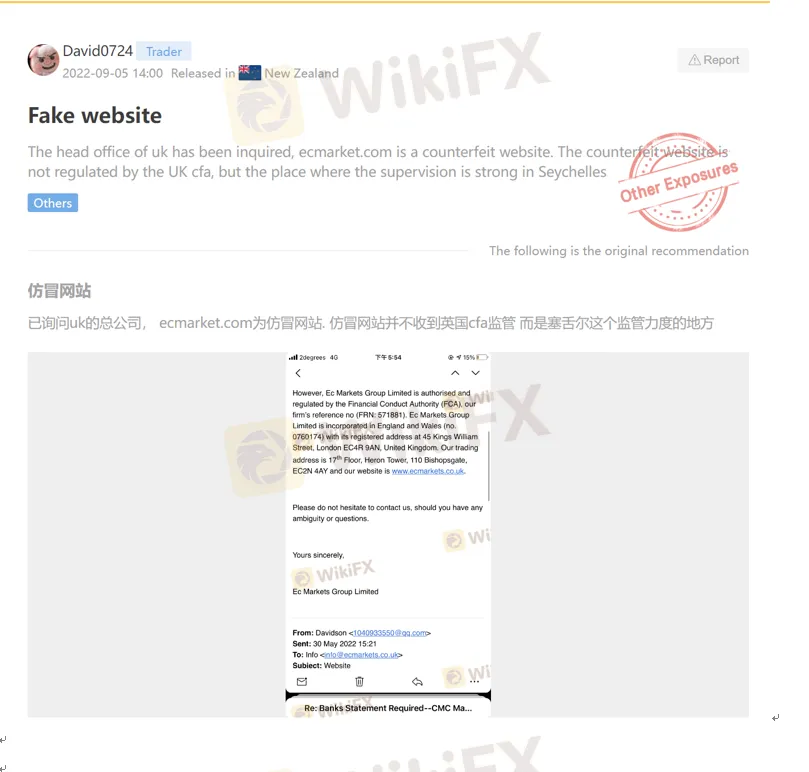
As of September 8, 2022, WikiFX has received 200 exposures related to “other issues” from July to August, which makes traders upset. For example, some victim claimed that the website of some brokers is fake; The regulatory license of some brokers is a suspicious clone, etc.
4. Severe Slippage (82)
As of September 8, 2022, WikiFX has received 82 exposures related to “Slippage” from July to August. These brokers usually have the poor ability in risk management. Or they are just scammers manipulating the trading process causing huge losses to the traders.


Disclaimer:
The views in this article only represent the author's personal views, and do not constitute investment advice on this platform. This platform does not guarantee the accuracy, completeness and timeliness of the information in the article, and will not be liable for any loss caused by the use of or reliance on the information in the article.
UK retail sales fell 0.5% in July 2026, while the three-month measure rose 1.1%. See the ONS details and what the mixed result may mean for GBP.

Pakistan forex reserves stood at $22.506 billion on 13 August 2026, while the SBP dashboard showed a USD/PKR mark to market rate of 277.5713 on 20 August. This article separates the SBP forex reserves facts from predictions about the Pakistan rupee and the forex market Pakistan.

A multi-asset liquidity solution can help a broker support FX, CFDs, commodities, and indices through a more unified operating model. But adding asset classes can also create fragmented symbols, pricing, routing, margin rules, records, and client messages if controls are not designed first. This 2026 guide explains how a multi asset liquidity provider, forex CFD liquidity setup, commodity liquidity provider, and indices liquidity provider fit into a broker-owned execution service. It outlines the due-diligence questions, shared-control model, cost drivers, and 90-day implementation plan that help teams expand without making the execution chain harder to explain. The aim is not to promise deeper liquidity or better trading outcomes. It is to create evidence that a broker can supervise market access, trace order events, reconcile costs, and communicate consistently to the relevant clients when conditions are difficult.

Gold surged above $4,500 after the US Treasury expanded its purchases of longer-dated government bonds, pushing yields and the dollar lower. But this was not debt forgiveness or Federal Reserve money printing—it was a liquidity operation that exposed a much bigger fear: America may be finding it increasingly difficult to live with market-driven interest rates.
WikiFXWikiFXWikiFXWikiFXWikiFXWikiFXWikiFXWikiFXWikiFXWikiFX