Abstract:The regulator fined Loop Capital Markets $100k.
The broker-dealer advised a city on fixed income securities without being registered.
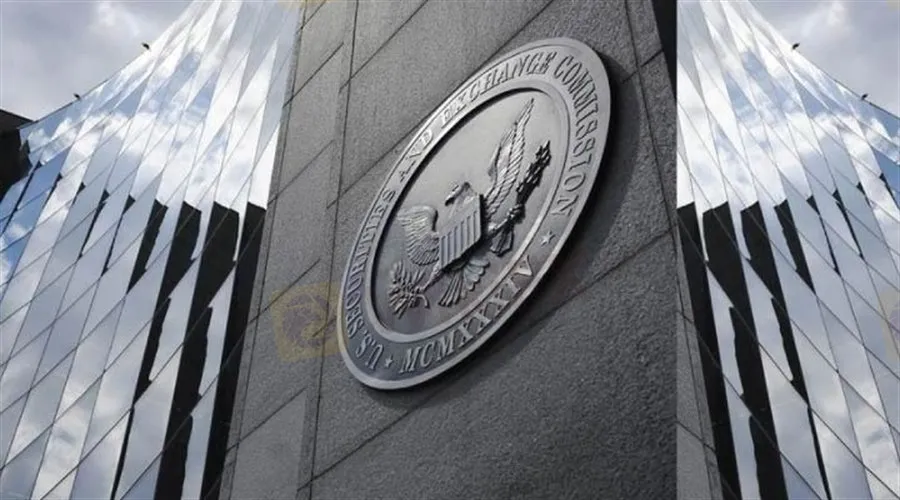
The United States Securities and Exchange Commission (SEC) on Wednesday announced that it has fined Loop Capital Markets, a Chicago-based investment bank and broker-dealer, $100,000 for violating the regulators municipal advisor registration rule.
Take Advantage of the Biggest Financial Event in London. This year we have expanded to new verticals in Online Trading, Fintech, Digital Assets, Blockchain, and Payments.
SEC said it charged the broker-dealer for providing advice to a municipal city in the country without being registered to do so.
The watchdog said Loop Capital Markets neither admitted or denied its findings but agreed to pay the fine. The penalty comes with $5,456.73 in interest for disgorgement and prejudgment.
“The action marks the first time the SEC has charged a broker-dealer for violating the municipal advisor registration rule,” the market supervisor said in a press statement.
According to the regulator, between September 2017 and February 2019, Loop Capital Markets advised a city in the Midwest of the United States to invest in certain fixed income securities.
The regulatory authority said the city purchased the securities based on the advise using its municipal bond issuances.
However, the SEC in an investigation conducted by Sally Hewitt and Kristal Olson of the Commission's Public Finance Abuse Unit, found that Loop Capital Markets “did not maintain a system reasonably designed to supervise its municipal securities activities.”
The watchdog also found that the broker-dealer “had inadequate procedures, including insufficient methods to identify potential violations of the municipal advisor registration rules.”
LeeAnn Ghazil Gaunt, Chief of the Enforcement Divisions Public Finance Abuse Unit, explained that the municipal advisor registration rules were designed to protect municipal entities from abuse.
Gaunt further noted that the rules apply to all participants in the countrys financial markets.
“Registered broker-dealers must either register as municipal advisors or refrain from engaging in municipal advisory activities,” he added.
Recent Charges
Last month, the SEC charged 18 persons and entities for their involvement in a fraudulent scheme that involved hacking dozens of online retail brokerage accounts.
SEC said the hack happened between late 2017 and early 2018 and was coordinated by a Canada-based man, Rahim Mohamed.
The regulator also noted that several other individuals within and outside the US participated in or benefited from the scheme.
Earlier in August, the watchdog also charged 11 individuals before the United States District Court in the Northern District of Illinois for alleged fraud.
Four of these 11 individuals were the Co-Founders of Forsage, a project the SEC described as a “fraudulent crypto pyramid and ponzi scheme.”
The US financial markets supervisor found that the individuals raised over $300 million from retail investors from around the world through the scheme.