


IG Review for India 2026: RBI Alert List, Regulation, Login, and Forex Risk
IG review for India in 2026: see the RBI Alert List entry, overseas regulation, login checks, forex limits, and a clear broker safety checklist.
Original

简体中文
繁體中文
English
Pусский
日本語
ภาษาไทย
Tiếng Việt
Bahasa Indonesia
Español
हिन्दी
Filippiiniläinen
Français
Deutsch
Português
Türkçe
한국어
العربية
اردو




Abstract:The simple definition is a general rise in prices. The classic definition is ‘too much money chasing too few goods.’
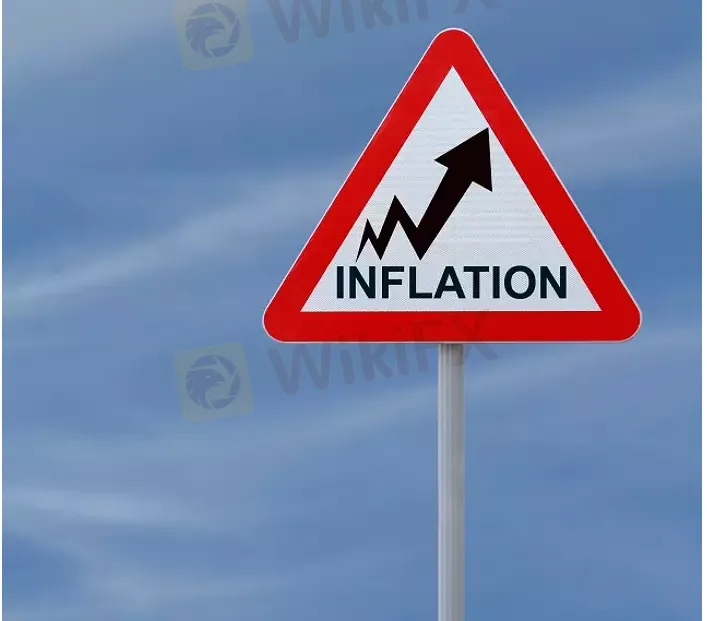
Inflation news has been dominating the headlines for several months as the global economy begins to slowly reopen following the more than year-long pandemic. The rapid rise in prices has become a top concern as central bankers, consumers and investors fret about the rising cost of groceries, housing, gasoline, and other living expenses. The most immediate way inflation is felt by consumers is the negative effect on purchasing power and quality of life.
The simple definition is a general rise in prices. The classic definition is “too much money chasing too few goods.” The price of individual items fluctuates all the time so it takes a collection of items rising at the same time to drive the inflation meter higher.
Probably the best-known measure of inflation in the U.S. is the Consumer Price Index (CPI), which measures the average change in prices paid by urban consumers for things like food, clothes, housing, and transportation. The Federal Reserve measures inflation by the personal consumption expenditure (PCE) price index. While CPI looks at what people are buying, PCE looks at what businesses are selling.
Core inflation is another term that is tossed around quite often. It takes into consideration all inflation minus food and energy, which tend to be volatile. They can be influenced by oil supply and weather, and since the events can be deemed as short-term, their numbers are stripped out of the total inflation picture.
Cost-push inflation is not that common. It starts with a decrease in total supply or an increase in the cost of that supply. Suppliers raise prices because they know consumers will pay it.
Demand-pull inflation exists when aggregate demand for a good or service outstrips aggregate supply. It begins with an increase in consumer demand. Sellers meet such an increase with more supply. But when additional supply is unavailable, sellers raise their prices. (Learn more about cost-push and demand-pull inflation here.)
It‘s the Fed’s job to calm people‘s nerves over inflation. Generally speaking, consumers don’t worry about inflation being too low.
Throughout April and May 2020 at the start of the pandemic when prices were plunging, consumers werent fretting over low food and gasoline prices. They were focused on avoiding coronavirus. While quarantined, and with the economy on lockdown, fewer people were driving and gasoline and crude oil prices fell sharply.
Now that most of the lockdowns have ended, more people are working and individuals are driving and flying. This is driving up gasoline and crude oil prices. In other words, prices are reflating from extremely low levels in early 2020 to higher prices in the Spring/Summer of 2021.
Historically low-interest rates are also helping to drive inflation higher. When the economy was stable in early 2020 before the pandemic, mortgage rates were relatively stable but higher than they are at this time. When the Fed slashed its benchmark rates, mortgage rates fell sharply. Low mortgage rates are one of the factors driving up demand for housing.
Demand for housing is increasing, but the supply of available homes to buy is low so people are building new houses. After a sluggish 2020 drove down demand for building materials such as copper and lumber, the current surge in home building is driving up demand for these materials. The increase in prices is another contributing factor to a rapid rise in inflation.
The Fed sees the rise in gasoline, copper, and lumber prices as a temporary reaction to the reopening of the economy. They dont see the rise in prices as here to stay. Policymakers can explain away the jump in prices as economic growth. They feel they have the measures to combat inflation, but they also run the risk of stopping growth too fast.

Disclaimer:
The views in this article only represent the author's personal views, and do not constitute investment advice on this platform. This platform does not guarantee the accuracy, completeness and timeliness of the information in the article, and will not be liable for any loss caused by the use of or reliance on the information in the article.
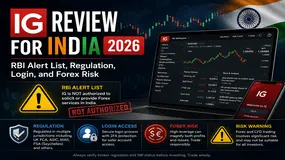
IG review for India in 2026: see the RBI Alert List entry, overseas regulation, login checks, forex limits, and a clear broker safety checklist.

Orbex, a Cyprus-based brokerage entity, has recorded 30 exposure complaints on WikiFX, a leading forex broker regulation inquiry tool, so far. Other review websites have also recorded a healthy number of complaints against the brokerage firm. These complaints largely talk about the alleged profit confiscations by the broker in the name of trading violations, difficulty in accessing fund withdrawals, capital losses due to artificial slippage, etc. In this Orbex review, we have investigated user complaints and provided a regulatory overview of the broker.
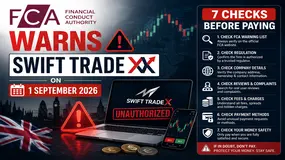
FCA warns Swift TradeX in a notice first published and updated on 1 September 2026. The UK Financial Conduct Authority says the firm may be providing or promoting financial services without permission, is not authorised, and may be targeting people in the UK. The notice names the website swifttradexai.com, a Worcester address and a UK telephone number, but also cautions that unauthorised businesses may use incorrect or borrowed contact details. The confirmed issue is authorisation status—not a court finding about every transaction. Anyone considering a payment should stop, verify the firm independently, and avoid using contact information supplied by the platform itself.
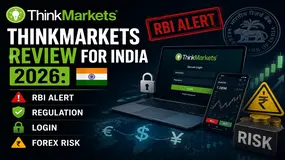
ThinkMarkets review for India: check the RBI Alert List, overseas entities, regulation, login security, forex rules, costs, withdrawals, and leverage risk.
WikiFXWikiFXWikiFXWikiFXWikiFXWikiFXWikiFXWikiFXWikiFXWikiFX