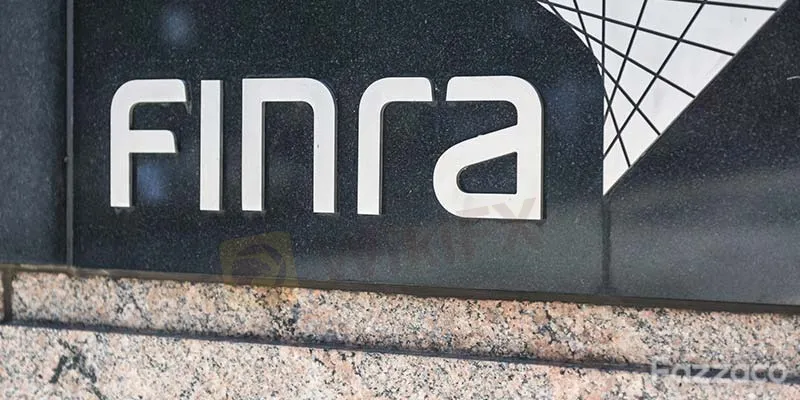
Abstract:FINRA, a government-authorized non-profit entity overseeing the U.S broker-dealers, announced on Feb. 19 that it has hired the Lowenstein Sandler law firm to conduct an independent review of how FINRA Dispute Resolution Services (DRS) complied with its rules, policies and procedures for arbitrator selection in an arbitration proceeding whose award was recently vacated by an Atlanta Superior Court judge.
“We take this matter very seriously. FINRA recognizes the importance of maintaining trust in the system and is committed to ensuring the DRS arbitration forum is operated in a fair and neutral manner,” said FINRA President and CEO Robert Cook. “In keeping with that commitment, FINRA's Audit Committee has engaged an independent, outside party to review how the arbitrator selection process was carried out in this case, and to determine whether any improvements to the process may be warranted. FINRA will make the results of this review public.”
Christopher Gerold, a partner in Lowenstein's Securities Litigation and Corporate Investigations & Integrity Practice Groups, will lead the independent review and report the firm's findings directly to the Audit Committee of FINRA's Board of Governors. Prior to joining Lowenstein in January, Gerold was Chief of the New Jersey Bureau of Securities from 2017-2021 and served as President of the North American Securities Administrators Association.
“We trust Lowenstein's ability to carry out an independent review of the arbitrator selection process administered in this matter and look forward to receiving their findings in the coming months,” said Lance Drummond, FINRA Governor and Chair of the Audit Committee.
DRS administers an arbitration forum to assist in the resolution of disputes involving investors, securities firms and their registered employees. Although securities firms and investment advisers often include mandatory arbitration clauses in their customer account agreements, FINRA rules do not require this practice. The arbitration forum operates in accordance with rules that have been approved by the SEC, after a finding that the rules are in the public interest.
The SEC regularly examines DRS's operations.

Disclaimer:
The views in this article only represent the author's personal views, and do not constitute investment advice on this platform. This platform does not guarantee the accuracy, completeness and timeliness of the information in the article, and will not be liable for any loss caused by the use of or reliance on the information in the article.