Abstract:SVB Financial Group, which focused on financing tech startups, experienced a swift decline due to rising interest rates, leading to significant losses in the banking industry and beyond.
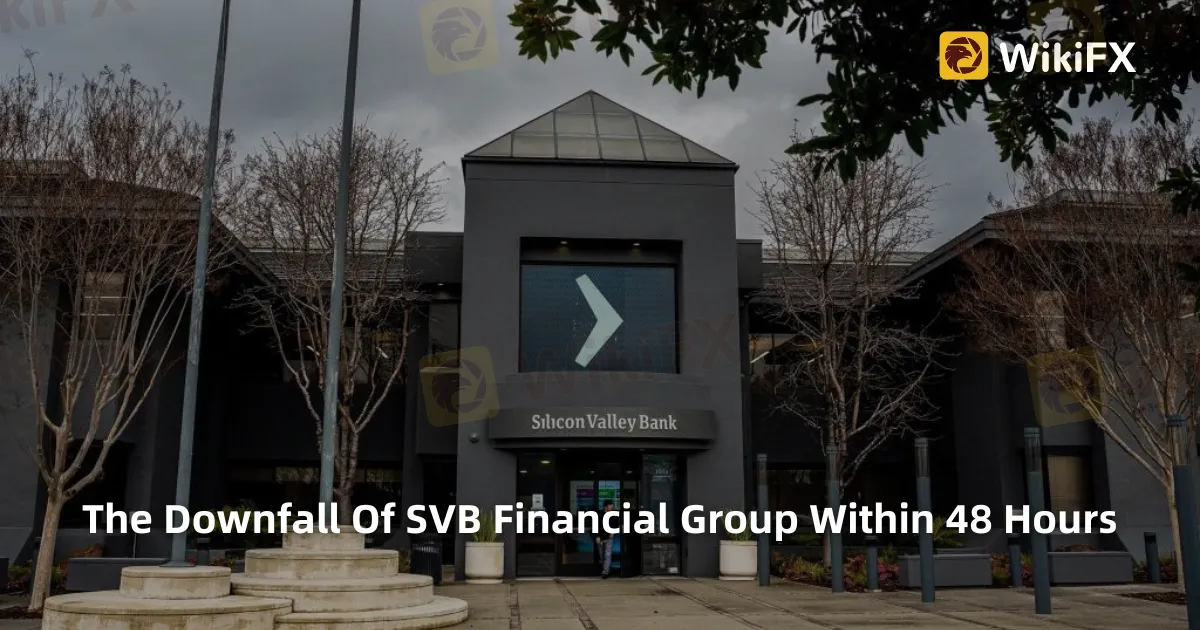
SVB Financial Group (SIVB.O), which primarily focused on financing tech startups, experienced a swift decline following the rise of interest rates. This downturn had far-reaching impacts, affecting a wide range of asset classes, from money markets to forex.
The collapse of the Santa Clara-based lender was unprecedented since the 2008 failure of Washington Mutual. The bank stocks, both large and small, saw significant losses of hundreds of billions of dollars within a matter of days. The fear of a contagion effect caused by SVB's collapse sent shockwaves throughout the global financial markets.
The tech industry had been thriving, with startups enjoying rapid growth and significant investment. However, rising interest rates triggered a tumultuous period that ultimately resulted in the downfall of SVB Financial Group. This sudden collapse sent shockwaves throughout the banking industry and beyond, as investors grappled with the potential contagion effects.
The impacts of SVB's collapse were felt across numerous asset classes. Money markets, which had previously been stable, were suddenly disrupted, while forex markets experienced significant fluctuations. Additionally, the banking industry was significantly affected, with both major and smaller banks experiencing massive losses.
Despite the concerns and disruptions caused by SVB's collapse, many experts believe that the banking industry will ultimately rebound. However, the impact of this event will likely continue to be felt for some time, as investors continue to grapple with the potential for further contagion effects.
Overall, the swift decline of SVB Financial Group serves as a stark reminder of the interconnectedness of the global financial system. As investors continue to navigate a rapidly changing economic landscape, it's essential to remain vigilant and adapt to changing market conditions.
Install the WikiFX App on your smartphone to stay updated on the latest news.
Download link: https://www.wikifx.com/en/download.html?source=fma3