Abstract:Unmask the risks of Forex trading as a cover for Ponzi schemes. Understand the telltale signs of such scams and learn how to safeguard your investments against them.
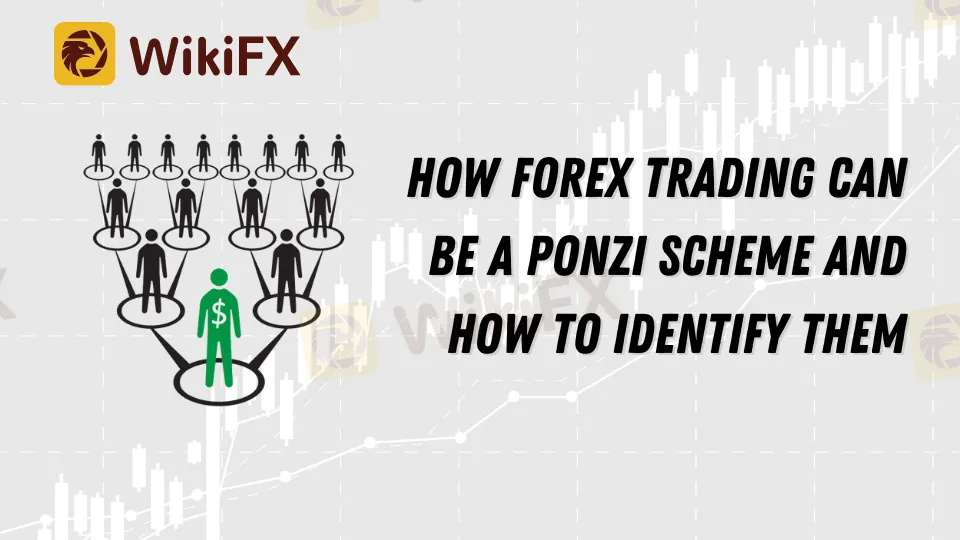
Forex trading is a legitimate form of investment where individuals and institutions buy, sell, and exchange currencies in the global market. However, like any lucrative field, it is not immune to illicit activities, specifically, the notorious Ponzi schemes. Ponzi schemes, named after Charles Ponzi, are fraudulent investing scams promising high rates of return with little risk to investors. The scheme leads victims to believe that profits are coming from legitimate business activities, when in fact they are paid out of funds paid by new investors.
Forex trading can be used as a cover for a Ponzi scheme because of its complexity and the general public's lack of understanding about how it works. Scammers often exploit these factors to create an illusion of a profitable business. In this article, we delve into how forex trading can be a disguise for a Ponzi scheme and provide tips on how to identify such scams.
 Contents
 Forex Trading as a Disguise for Ponzi Schemes
A typical forex Ponzi scheme starts with an “investment firm” that claims to have skilled traders, proprietary high-speed trading algorithms, or inside information that they use to guarantee extraordinarily high returns. In reality, however, they do not execute any trades at all.
Instead, they rely on new investor money to pay existing investors their returns, creating a façade of a profitable enterprise. Such companies often provide fake trading statements, phony account balances, and unkept promises of easy withdrawal options to maintain this illusion.
Eventually, when new investment slows down, the fraudsters cannot keep up with their obligation to pay off earlier investors. This ultimately leads to the collapse of the scheme, with the scammers running off with the remaining funds.
How to Identify Forex Ponzi Schemes

Spotting a forex Ponzi scheme requires vigilance and knowledge. Here are some telltale signs that a forex investment opportunity might be a scam:
1. Promises of High Returns with Little to No Risk
One of the most common signs of a Ponzi scheme is the guarantee of high returns with minimal or no risk. Remember, forex trading is inherently risky, and no one can guarantee profits. As the old saying goes, “If it sounds too good to be true, it probably is.”
2. Overly Complex Strategies
Forex scammers often use complex jargon or strategies to confuse potential investors. If you don't understand how the profits are made, it could be a red flag. A legitimate company should always be willing to explain its trading strategies in layman's terms.
3. Lack of Transparency
Transparency is key in any investment. Be wary of firms that refuse to provide necessary documents like audited financial reports. It's also important to note that a legitimate forex trading firm should be registered with the relevant authorities, such as the Commodity Futures Trading Commission (CFTC) in the U.S. or the Financial Conduct Authority (FCA) in the U.K.
4. Difficulties in Withdrawing Funds
If an investment firm constantly delays your withdrawal requests or creates hurdles preventing you from accessing your funds, this could be a warning sign of a Ponzi scheme. Legitimate firms have clearly defined withdrawal procedures and they adhere to them.
5. Pressure to Invest
Any high-pressure sales tactics should also raise suspicions. Legitimate firms give you time to think about your investment and don't rush you into making a decision.
Risks of a Forex Trading Ponzi Scheme and Brokers That Offer Such Trading Opportunities
Forex trading, short for foreign exchange trading, involves the buying and selling of different currencies. Due to its global nature and vast trading volume, it attracts investors worldwide. However, like all investment avenues, it is not immune to fraudulent activities, such as Ponzi schemes.
This article aims to highlight the risks associated with forex trading Ponzi schemes and discuss the role of brokers who may offer such misleading opportunities.
The Hazards of Forex Trading Ponzi Schemes

A Ponzi scheme is an investment scam that promises high returns with little to no risk. These schemes rely on a steady stream of new investments to pay returns to earlier investors, instead of generating profits from legitimate activities. As soon as the inflow of new investors slows down, the scheme inevitably collapses, leaving many investors high and dry.
Forex trading Ponzi schemes can be particularly deceptive due to the complexity and volatility of the foreign exchange market. Here are some of the significant risks associated with these schemes:
1. Financial Losses
The most glaring risk is the potential for severe financial losses. When the scheme collapses, most investors lose the entirety of their investment. Unfortunately, recovery from these losses is often challenging and sometimes impossible.
2. Legal Consequences
Investors, particularly those who profited from early participation in the scheme, may also face legal ramifications. They could be sued for the recovery of funds, or even face criminal charges, especially if they knowingly promoted the Ponzi scheme.
3. Psychological Impact
Beyond financial and legal repercussions, victims of Ponzi schemes often face considerable psychological distress. The loss of hard-earned money can lead to stress, anxiety, and a general mistrust toward investment opportunities in the future.
The Role of Brokers in Forex Trading Ponzi Schemes
Forex brokers play a vital role in the forex market by providing a platform for individual and institutional traders to participate in the market. However, not all brokers operate honestly. Some unscrupulous brokers might knowingly or unknowingly become facilitators of Ponzi schemes. They might promote deceptive forex investment opportunities, promising high returns with no risk.
Here's how you can spot potentially dangerous brokers:
1. Unregistered Brokers
Any reputable forex broker should be registered with a recognized regulatory authority. These authorities oversee financial firms to protect consumers. If a broker isn't registered, it's a significant red flag.
2. Promising High Returns with No Risk
As with the Ponzi schemes themselves, any broker that guarantees high returns with no risk should be considered suspicious. The forex market is inherently volatile and risky. No legitimate broker would make such claims.
3. Lack of Transparency
A trustworthy broker should be transparent about their operations, fees, and any associated risks. If a broker is unwilling to provide this information or is elusive when asked for it, it's a warning sign.
4. Unusual Withdrawal Procedures
If a broker has complicated or confusing withdrawal procedures, or if they delay withdrawals without a legitimate reason, it's a potential warning sign. Reputable brokers aim to make the withdrawal process as straightforward as possible.
Conclusion
The dynamic and intricate world of Forex trading, while offering considerable opportunities, can also harbor illicit activities, such as Ponzi schemes. It's important to understand the fundamental characteristics of these fraudulent practices and the severe financial, legal, and psychological implications they bring.
Potential investors must be mindful of the red flags associated with Forex Ponzi schemes and the deceptive brokers that might facilitate them. Promises of guaranteed high returns with no risk, a lack of transparency, convoluted withdrawal procedures, and high-pressure tactics are some signs of potential foul play.
Remember, education and due diligence are your best defenses against falling prey to such schemes. Always ensure that your broker is registered with a recognized regulatory authority, thoroughly understands their trading strategies, and is cognizant of the inherent risks involved in Forex trading. While it is enticing to chase high returns, it is crucial to remember that legitimate investment opportunities are based on risk and reward, not guaranteed outcomes. Stay vigilant, stay informed, and safeguard your hard-earned money.
Get the WikiFX App on your mobile device to keep abreast with the latest updates. Here is the link to download the app: https://social1.onelink.me/QgET/px2b7i8n