


IG Review for India 2026: RBI Alert List, Regulation, Login, and Forex Risk
IG review for India in 2026: see the RBI Alert List entry, overseas regulation, login checks, forex limits, and a clear broker safety checklist.
Original

简体中文
繁體中文
English
Pусский
日本語
ภาษาไทย
Tiếng Việt
Bahasa Indonesia
Español
हिन्दी
Filippiiniläinen
Français
Deutsch
Português
Türkçe
한국어
العربية
اردو




Abstract:October inflation rises to 2.3%, driven by energy costs. Renters face 8% annual hikes, while house price inflation climbs. Interest rates stay elevated.
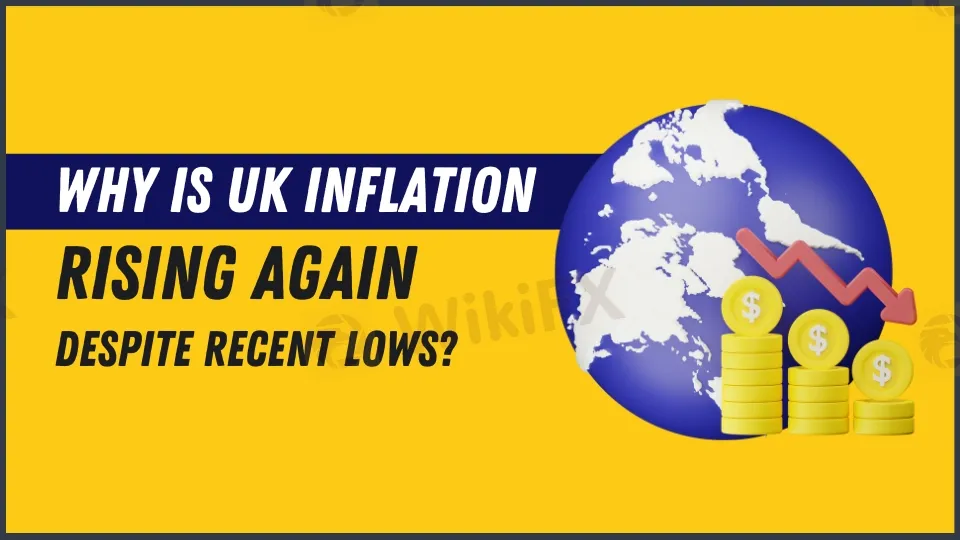
The most recent economic figures portray a varied but tough picture for the country's consumers. In October, inflation, a major indicator of living costs, unexpectedly increased to 2.3%, above experts' predictions. While this rate is still much lower than the double-digit highs of previous years, the minor increase indicates that family finances are under continued strain. This move calls into doubt the larger economic recovery and millions of people's financial security.
 Contents
The major cause of this surge is an increase in home service expenses, with energy prices playing a considerable influence. Although energy prices had steadied earlier this year, the October spike shows that instability has returned. Many families already stressed finances are strained by these rising prices, especially as winter approaches and heating demands rise.
House price inflation, another important indicator of economic health, increased little to slightly over 3%. This is a turnaround from earlier this year when prices temporarily fell into negative territory. The real impact is on tenants, who are seeing rental expenses rise by more than 8% every year.

This practice is causing an increasing hardship on renters. Unlike homeowners, who may realize long-term returns on their assets, renters confront immediate out-of-pocket expenditures with no respite in sight. The disparity between home prices and rental inflation highlights the issues that renters confront in an already costly housing market.
The Bank of England, in charge of regulating inflation, has left interest rates at 4.75%. Earlier predictions projected that interest rates might fall to 3.5% by mid-2024. However, recent economic statistics and budgetary actions have caused expectations to alter. Following the government's recent budget declaration, interest rates are expected to stay over 4% for most of next year.
Higher interest rates are intended to reduce inflation but also raise borrowing costs for consumers and companies. Mortgage holders and those with variable-rate loans continue to face the brunt of these rate spikes, disrupting many families' financial plans.
The cost of borrowing by the government is another factor impacting the economic outlook. The UK's borrowing costs increased significantly after the latest budget. While the rise was less significant than the one after Liz Truss' 2022 mini-budget, it nevertheless raises worries about fiscal stability and market confidence. The increased borrowing rates restrict the government's ability to implement further steps to alleviate family financial concerns.
Inflation and rental expenses are rising, while many people's wages are stagnating, making the next months difficult. While inflation has decreased from recent highs, it remains a severe problem, especially for renters and low-income families.
Policymakers must strike a difficult balance: reduce inflation without suffocating economic development or laying undue costs on already suffering consumers. With interest rates predicted to stay high and energy prices fluctuating, the cost-of-living dilemma is likely to continue to be a major worry far beyond 2024.

Disclaimer:
The views in this article only represent the author's personal views, and do not constitute investment advice on this platform. This platform does not guarantee the accuracy, completeness and timeliness of the information in the article, and will not be liable for any loss caused by the use of or reliance on the information in the article.

IG review for India in 2026: see the RBI Alert List entry, overseas regulation, login checks, forex limits, and a clear broker safety checklist.

FCA warns Swift TradeX in a notice first published and updated on 1 September 2026. The UK Financial Conduct Authority says the firm may be providing or promoting financial services without permission, is not authorised, and may be targeting people in the UK. The notice names the website swifttradexai.com, a Worcester address and a UK telephone number, but also cautions that unauthorised businesses may use incorrect or borrowed contact details. The confirmed issue is authorisation status—not a court finding about every transaction. Anyone considering a payment should stop, verify the firm independently, and avoid using contact information supplied by the platform itself.

ThinkMarkets review for India: check the RBI Alert List, overseas entities, regulation, login security, forex rules, costs, withdrawals, and leverage risk.
India's Q1 FY27 GDP grew 7.8%, beating a 7.4% poll and RBI's 7.0% projection. See three conditional scenarios for INR, rates and gold.
WikiFXWikiFXWikiFXWikiFXWikiFXWikiFXWikiFXWikiFXWikiFXWikiFX