Abstract:On February 4, U.S. President Donald Trump signed an executive order aimed at restoring the "maximum pressure" policy on Iran, intending to prevent Iran from selling oil to other countries and further weakening its economic foundation.
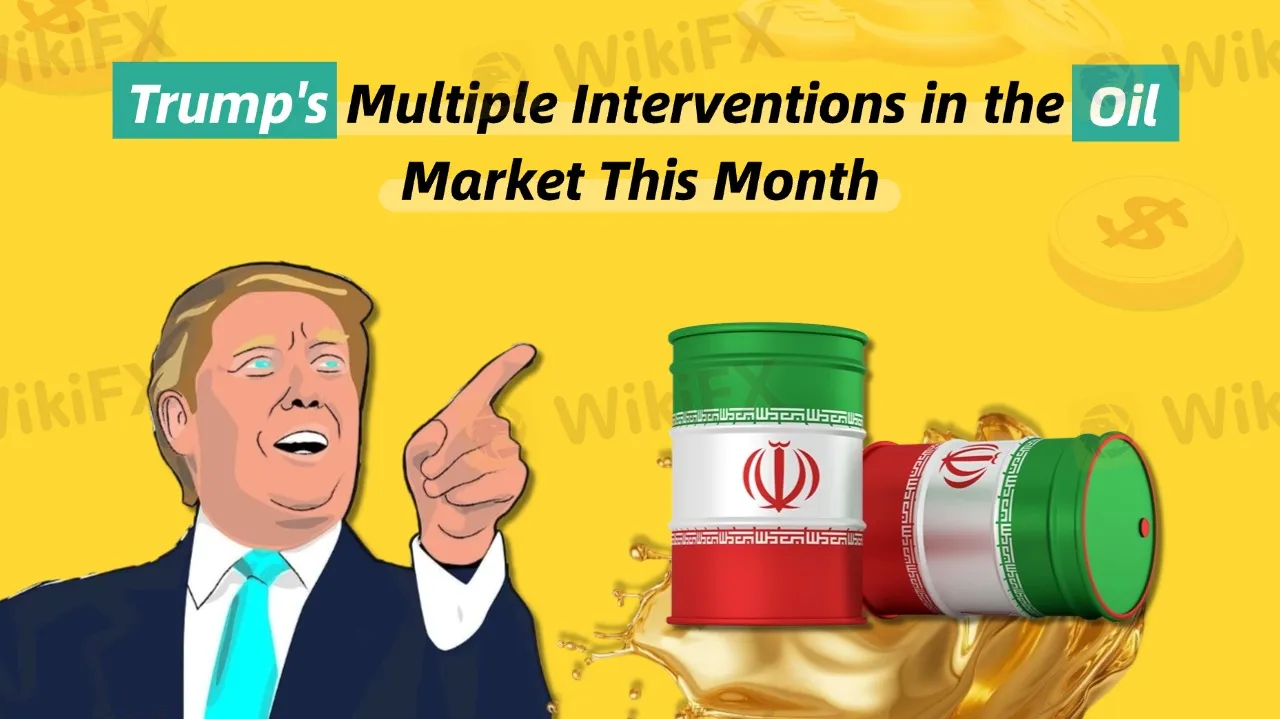
Trump clearly stated that he is willing to meet with Iranian leaders and attempt to persuade Iran to abandon its nuclear weapons development efforts. The order not only calls for increased pressure on violations of existing sanctions by the U.S. Treasury Department, but also plans to reduce Iran's oil exports to zero, intensifying economic pressure.
After Trump signed the order, the oil market was immediately affected. U.S. WTI crude oil briefly dropped by 3%, marking the first time it fell below the 2024 year-end level. However, the price quickly rebounded, with WTI's decline significantly narrowing and Brent crude also recovering, rising by about $2 in the short term. This fluctuation in oil prices reflects market uncertainty regarding Trump's policy, particularly in the context of global supply chain and oil market tensions, where any major policy change can quickly trigger a market response.
Will Trump's plan succeed?
Despite Trump's order clearly demanding the reduction of Iran's oil exports to zero, it remains uncertain whether this goal can be successfully implemented. In recent years, due to lax enforcement of sanctions and the evasion of restrictions, Iran's oil exports have gradually increased, especially after the U.S. withdrew from the Iran nuclear deal in 2018, which caused a significant rebound in Iranian oil exports. The Trump administration may need to implement stricter measures to effectively cut off Iran's oil revenue. However, given Iran's political and economic complexity, completely halting its oil exports remains a significant challenge.
Trump's intervention not only affects oil prices but also sparks a multi-party power struggle. OPEC+ this week maintained its existing oil production plans, without responding to Trump's calls. Analysts believe that OPEC+ may be waiting to see whether Trump will impose further economic sanctions or take more aggressive measures against Iran, Venezuela, and even Russia. Meanwhile, Trump's pressure may be part of his broader negotiation strategy, aiming to secure a “better deal” with Iran in the future.
Overall, Trump's multiple interventions this month have not only disrupted the oil market but also intensified international oil price volatility. Against the backdrop of a complex and ever-changing global economy, the ongoing power struggle among various parties will continue to influence the direction of the oil market. Investors must closely monitor Trump's policy developments to better assess oil price trends and their potential impact on the global economy.