


IG Review for India 2026: RBI Alert List, Regulation, Login, and Forex Risk
IG review for India in 2026: see the RBI Alert List entry, overseas regulation, login checks, forex limits, and a clear broker safety checklist.
Original

简体中文
繁體中文
English
Pусский
日本語
ภาษาไทย
Tiếng Việt
Bahasa Indonesia
Español
हिन्दी
Filippiiniläinen
Français
Deutsch
Português
Türkçe
한국어
العربية
اردو




Abstract:Crypto.com’s controversial decision to re-issue 70 billion CRO tokens sparks outrage, raising concerns about vote manipulation and decentralization.
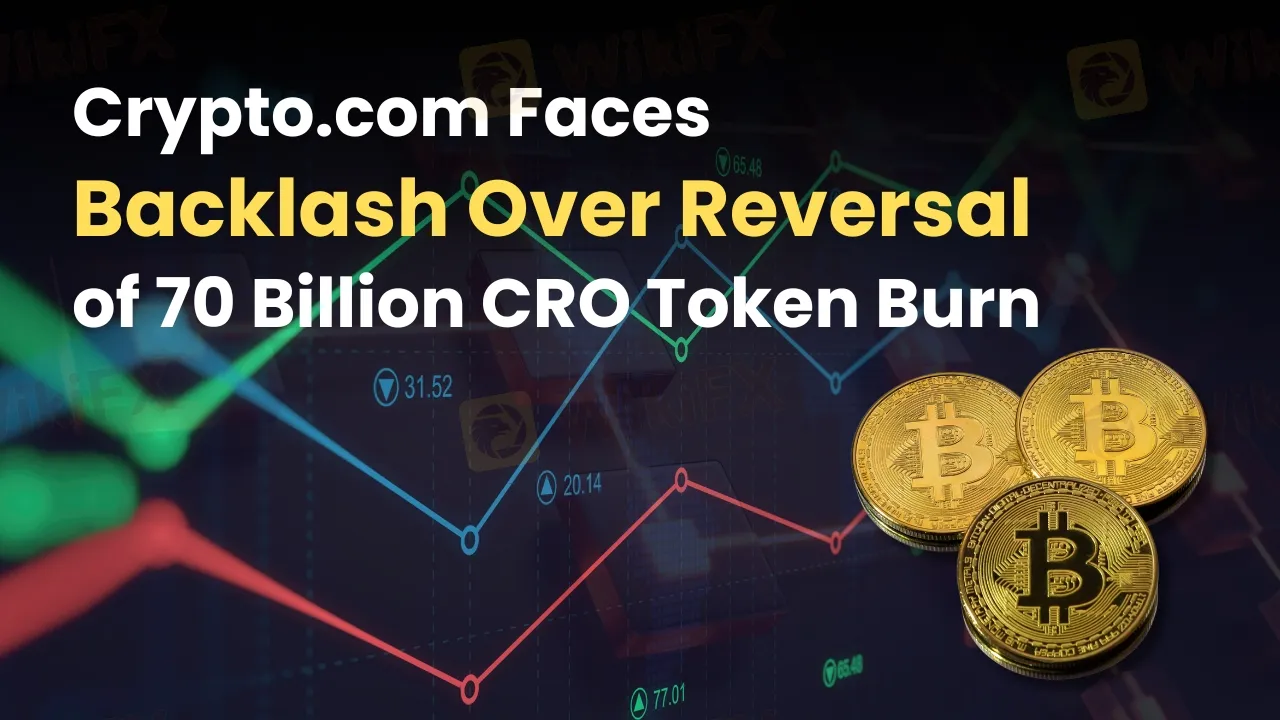
Crypto.com finds itself in hot water as a divisive vote has undone a massive 70 billion CRO token burn on its Cronos blockchain, leaving the crypto community reeling. What was once celebrated as a bold step toward decentralization in 2021 has now morphed into a lightning rod for criticism, with accusations of vote manipulation swirling around the company.
The saga began when Crypto.com CEO Kris Marszalek stepped in to reassure users about the company‘s financial health amid the uproar. The decision to re-issue 70 billion CRO tokens effectively scraps a historic burn that saw 59.6 billion tokens torched instantly in 2021, dubbed “the largest token burn in history.” That move was meant to slash supply and bolster the network’s value ahead of the CRO mainnet launch. The remaining tokens were earmarked for rewards and growth—until now.

On March 2, Crypto.com unveiled its Cronos Strategic Reserve proposal, a $5 billion plan at CRO‘s current $0.08 price tag. The re-issued tokens will land in an escrow wallet, pushing the total supply back to 100 billion CRO. The goal? To fuel U.S. crypto dominance, ecosystem expansion, and even a CRO exchange-traded fund (ETF). But the community isn’t buying it. Many argue the company couldve used its profits to repurchase tokens from the market, rewarding loyal supporters instead of flooding the supply.
The 2021 burn had been a triumph, catapulting CRO‘s price from $0.06 to $0.25 as scarcity kicked in. Now, reversing it feels like a gut punch to those who believed in the vision. Critics say it dilutes value and erodes trust, with some pointing fingers at Crypto.com for allegedly controlling 70%–80% of the voting power. If true, the vote’s passage—despite widespread dissent—feels less like democracy and more like a done deal.
The backlash has been fierce. Social media is ablaze with users decrying the move as a betrayal of decentralization ideals. They question why a company pushing for a decentralized future would cling so tightly to centralized control. The passed vote has only deepened suspicions, with many calling it a sham masked as community input.
In response, Crypto.com has scheduled an AMA event for March 25, where the token burn fiasco will likely take center stage. Marszalek and his team will have to face the music and explain why they chose this path over one that might‘ve kept the community’s faith intact. For now, the reversal stands as a stark reminder: in crypto, trust is hard-won and easily lost.

Disclaimer:
The views in this article only represent the author's personal views, and do not constitute investment advice on this platform. This platform does not guarantee the accuracy, completeness and timeliness of the information in the article, and will not be liable for any loss caused by the use of or reliance on the information in the article.
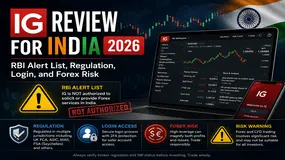
IG review for India in 2026: see the RBI Alert List entry, overseas regulation, login checks, forex limits, and a clear broker safety checklist.
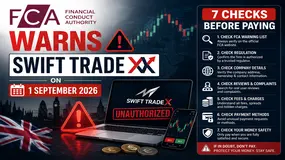
FCA warns Swift TradeX in a notice first published and updated on 1 September 2026. The UK Financial Conduct Authority says the firm may be providing or promoting financial services without permission, is not authorised, and may be targeting people in the UK. The notice names the website swifttradexai.com, a Worcester address and a UK telephone number, but also cautions that unauthorised businesses may use incorrect or borrowed contact details. The confirmed issue is authorisation status—not a court finding about every transaction. Anyone considering a payment should stop, verify the firm independently, and avoid using contact information supplied by the platform itself.
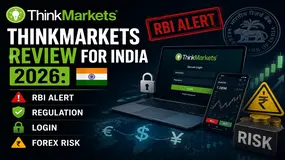
ThinkMarkets review for India: check the RBI Alert List, overseas entities, regulation, login security, forex rules, costs, withdrawals, and leverage risk.
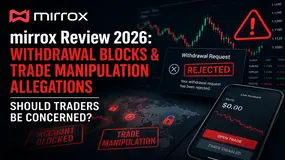
Did mirrox, a brokerage firm, ask you to keep your margin level above 250%-300% and make you add funds immediately if it dropped below it? Did the broker prevent you from opening a trade despite having a healthy equity balance? Did it close your trading account upon a withdrawal request? Many traders have raised these concerns online while sharing their respective mirrox reviews. This article aims to examine these user allegations while answering the popular question: Is mirrox legit or a scam?
WikiFXWikiFXWikiFXWikiFXWikiFXWikiFXWikiFXWikiFXWikiFXWikiFX