


Vietnam Becomes New Base for Cross Border Scam Syndicates After Cambodia Crackdown
Cross border scam syndicates are constantly adapting to evade law enforcement by moving from Cambodia to Vietnam.
Original

简体中文
繁體中文
English
Pусский
日本語
ภาษาไทย
Tiếng Việt
Bahasa Indonesia
Español
हिन्दी
Filippiiniläinen
Français
Deutsch
Português
Türkçe
한국어
العربية
اردو




Abstract:A Malaysian engineer has lost RM156,000 after falling victim to a fraudulent investment syndicate operating under the guise of a legitimate business entity.

A Malaysian engineer has lost RM156,000 after falling victim to a fraudulent investment syndicate operating under the guise of a legitimate business entity.
According to Pahang police chief Datuk Seri Yahaya Othman, the 39-year-old was enticed by promises of lucrative short-term returns offered by a company calling itself ‘Perniagaan Bos’. The scheme first drew the victims attention in March 2022, when it advertised high-yield investment opportunities designed to appear credible and financially rewarding.
The victim, persuaded by the seemingly attractive offer, proceeded to make a series of financial commitments. Over the course of three months, between 16 March and 9 June 2022, he conducted 10 separate transactions, transferring a total of RM156,000 to a specified bank account provided by the operators of the syndicate. In a desperate bid to maximise his potential returns, the engineer even resorted to securing a personal loan to fund his investments.

Suspicions arose only after the victim was repeatedly asked to make further payments in order to access his purported profits. This demand prompted him to question the legitimacy of the arrangement, ultimately leading to the realisation that he had been deceived. The case is now under investigation by local authorities, who have classified it under Section 420 of the Penal Code, which pertains to cheating and dishonestly inducing the delivery of property.
Investment fraud cases of this nature are not uncommon and often target="_blank" kwlink="6384064000816950219725">target individuals seeking quick financial gains. Such scams typically exploit the urgency and emotional appeal of high-return promises, only to leave victims with substantial financial losses and little recourse.
To counteract the prevalence of these fraudulent operations, tools like WikiFX have emerged as essential resources for investors. WikiFX allows users to assess the credibility of investment platforms by offering comprehensive data on broker licensing, regulatory compliance, safety ratings, and customer feedback. By leveraging such platforms, individuals can conduct proper due diligence before committing their funds, significantly reducing the likelihood of falling prey to scams.

Access to verified information and risk alerts empowers users to make informed decisions and steer clear of unregulated entities. For those navigating the complex world of financial investments, consulting platforms like WikiFX can be the first line of defence against fraudulent schemes.

Disclaimer:
The views in this article only represent the author's personal views, and do not constitute investment advice on this platform. This platform does not guarantee the accuracy, completeness and timeliness of the information in the article, and will not be liable for any loss caused by the use of or reliance on the information in the article.

Cross border scam syndicates are constantly adapting to evade law enforcement by moving from Cambodia to Vietnam.
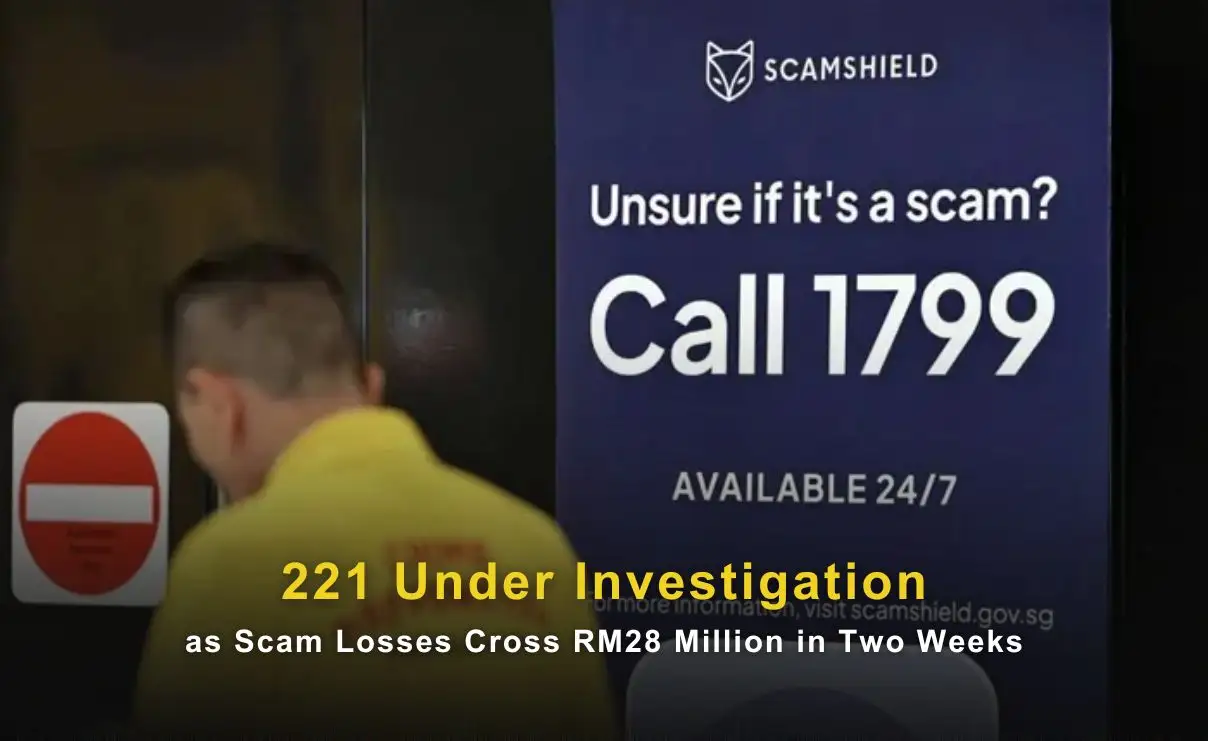
Singapore authorities have concluded a major anti-scam enforcement operation that resulted in 221 individuals being placed under investigation for their alleged roles in a wide range of fraudulent schemes.

Malaysia may be emerging as a new destination for transnational scam syndicates seeking to evade mounting pressure from international law enforcement agencies, according to a leading humanitarian organisation.

He Claimed Elite Connections. She Ended Up Losing Millions and Her Dream Car
WikiFXWikiFXWikiFXWikiFXWikiFXWikiFXWikiFXWikiFXWikiFXWikiFX