简体中文
繁體中文
English
Pусский
日本語
ภาษาไทย
Tiếng Việt
Bahasa Indonesia
Español
हिन्दी
Filippiiniläinen
Français
Deutsch
Português
Türkçe
한국어
العربية
Why Trade Agreements Matter to Nations
Abstract:In today’s interconnected world, trade agreements serve as the foundation for stable and predictable international commerce.
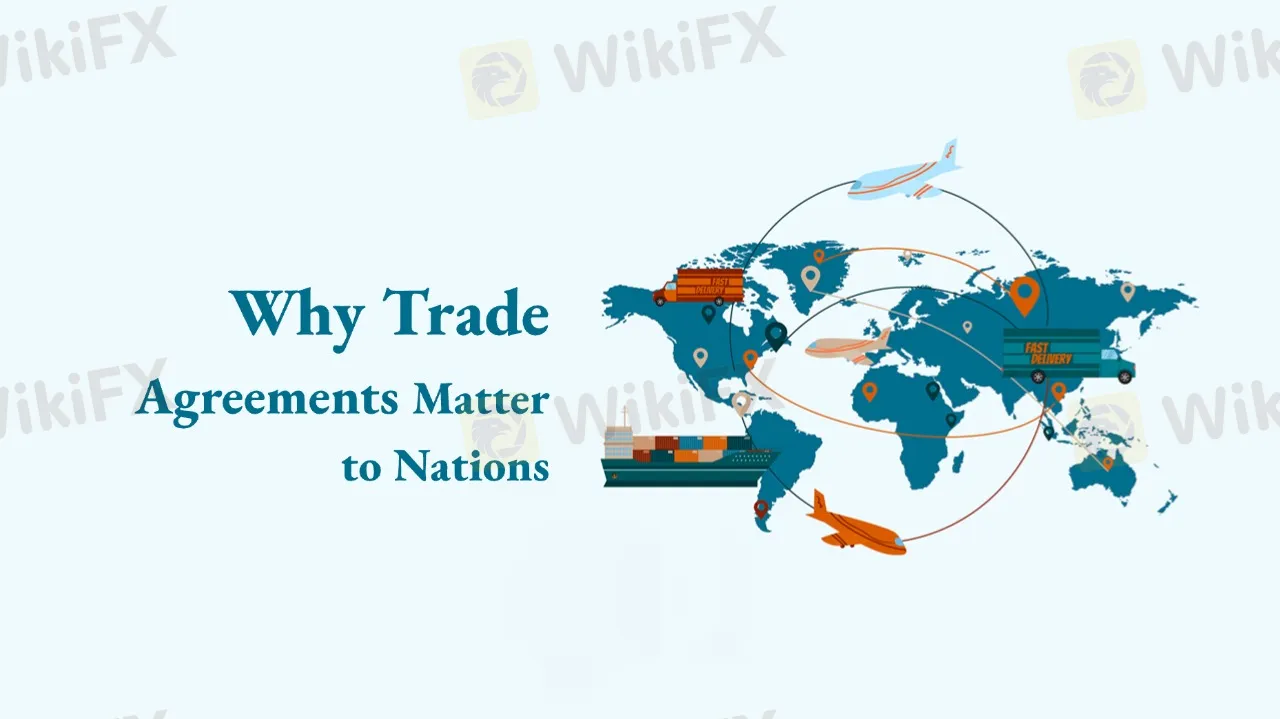
They define critical elements like tariffs, quotas, product origin rules, and intellectual property protections, ensuring that goods and services can move across borders smoothly.
Without these frameworks, global trade would face costly delays, uncertainty, and disputes. Trade agreements allow countries to increase exports, attract foreign investment, and promote employment, making them powerful tools for economic growth.
Real-World Examples Speak Volumes
One notable case is the EU–Japan Economic Partnership Agreement, which offers tariff reductions for businesses on both sides. This has made European products like food, machinery, and vehicles more competitive in Japan, and vice versa.
As a result, bilateral trade volume has grown, while consumers enjoy more diverse and affordable choices. In the Pacific region, some developed nations grant unilateral trade benefits to developing countries, helping them access international markets and boost local economies.
Changes in trade policies can instantly reshape pricing, supply chains, and industry dynamics. A reduction in tariffs might stimulate exports, while new restrictions could hurt company margins.
Markets respond swiftly—stock indexes, exchange rates, and commodity prices often fluctuate based on trade developments. For e-commerce players, trade agreements are especially impactful, as lower landed costs mean better pricing power and broader market access.
Keeping up with trade agreements isnt just for governments; businesses and investors need to track these shifts closely to stay competitive.


Disclaimer:
The views in this article only represent the author's personal views, and do not constitute investment advice on this platform. This platform does not guarantee the accuracy, completeness and timeliness of the information in the article, and will not be liable for any loss caused by the use of or reliance on the information in the article.
Read more

Scam Alert: 8,500 People Duped with Fake 8% Monthly Return Promises from Forex and Stock Investments
In a major revelation, the Economic Intelligence Unit of the Police Economic Offices Wing (EOW) is overseeing a cheating case where around 8,500 people were scammed in the name of 7-8% monthly return promises from forex and stock investments. While inquiring about the investment scheme, the Enforcement Directorate (ED), Surat, confiscated illegal cash worth INR 1.33 crore, foreign currency worth INR 3 lakh, and digital proof related to fraudulent transactions.

Long Position vs Short Position in Forex Trading: Know the Differences
When investing through forex, you often come across terms such as long position and short position. You may wonder what these two mean and how they impact your trading experience. So, the key lies in understanding the very crux of this forex trading aspect, as one wrong step can put you behind in your trading journey. Keeping these things in mind, we have prepared a guide to long position vs short position forex trading. Keep reading!

RM1.3Mil Gone in Days: JB Kinder Boss Falls for Online “Investment”
A Johor Baru kindergarten owner lost her life savings of RM1.3 million to a non-existent online investment scheme after responding to a social media ad promising returns of up to 41%. Between Nov 6–21, she made multiple transfers to several accounts and was later pressured to “add funds” to release profits that never materialised. She lodged a police report on Nov 28; the case is being probed under Section 420 (cheating).

FTMO Completes Acquisition of Global CFDs Broker OANDA, Marking a Major Milestone
Czech-based retail prop trading firm FTMO has officially completed its acquisition of OANDA Global Corporation, one of the world’s leading online multi-asset trading groups. The deal, which has been in progress since early 2024, was finalized on December 1 after receiving all required regulatory approvals.