Abstract:NinjaTrader fined $250K by NFA for AML failures, missing suspicious trades and high-risk accounts. Learn about the brokerages compliance issues and regulatory history.
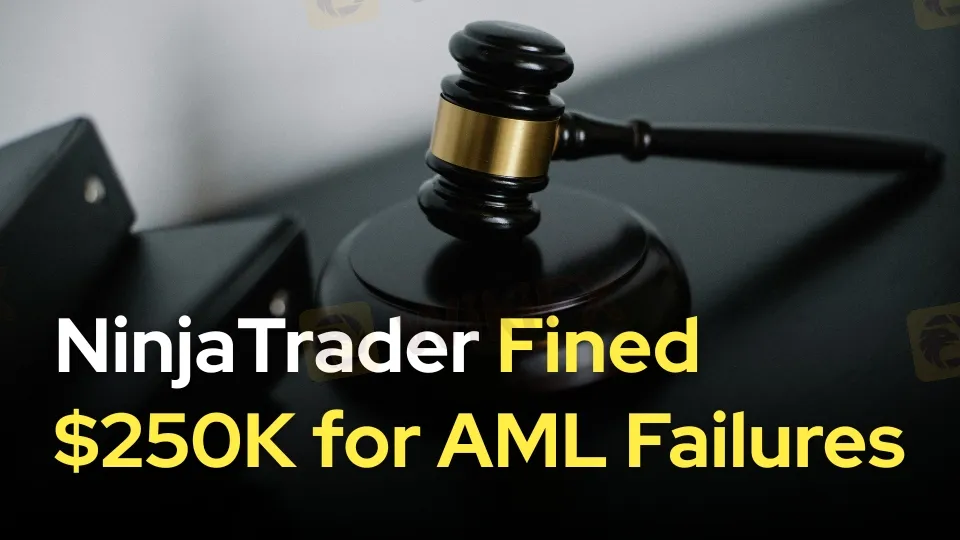
The National Futures Association (NFA) has fined NinjaTrader $250,000 following an in-depth investigation that revealed critical lapses in the brokerage firm's anti-money laundering (AML) program. The fine, issued in May, highlights a pattern of missed red flags, poor internal communication, and a failure to adequately screen suspicious customer activity.
The Chicago-based broker, now owned by cryptocurrency exchange Kraken, was found to have allowed dozens of questionable accounts to operate without proper scrutiny. According to the NFA, NinjaTrader failed to track key warning signs such as unusual wire transfers, accounts tied to high-risk jurisdictions, and evidence suggesting some users were operating on behalf of others — a serious regulatory violation if left unapproved.
The NFA‘s review found that NinjaTrader’s compliance systems often failed to detect obvious patterns. In one particularly troubling case, a customer claiming to be a 20-year-old beneficiary of inheritance funds was in fact a front for his father — a convicted money launderer — who was managing the trades behind the scenes.

Another case involved a 70-year-old trader who made a staggering 11,000 trades in a single month, up from just a handful the previous period. The individual contacted the company multiple times daily but was nonetheless allowed to continue trading until the NFA intervened.
Investigators also discovered that nearly 500 accounts from countries on NinjaTraders internal “blocked list” remained active, despite known compliance risks. The firm claimed it redefined its “risk profile” after a 2020 change in ownership, but failed to update its written AML procedures accordingly.
Compounding the issue, NinjaTrader had not screened tens of thousands of client accounts against key anti-money laundering and anti-terrorism databases maintained by the Financial Crimes Enforcement Network (FinCEN). This oversight was blamed on internal miscommunication within the compliance team, yet the NFA viewed it as a significant vulnerability that could have exposed the firm to greater legal and reputational risks.
NinjaTrader settled the matter without admitting or denying the allegations, though it has reportedly begun overhauling its AML systems. Still, the NFA cautioned that the firm's fragmented internal structure and weak cross-departmental coordination created an environment where risk was routinely downplayed or overlooked altogether.
This is not NinjaTraders first clash with regulators. Its predecessor, York, was fined in 2012 by the Commodity Futures Trading Commission (CFTC) and again in 2020 by the NFA for similar compliance failings. Regulators noted that despite the rebranding and change in ownership, many of the same patterns have persisted.
The 2023 review also drew criticism of NinjaTrader President Michael Cavanaugh, who approved the firms AML program but failed to ensure it was actually enforced. Under his leadership, the company continued to accept high-risk accounts without aligning its policies or protocols with compliance best practices.
The NFA‘s actions send a clear signal to other brokerage firms in the industry: a robust and consistently implemented AML framework is not optional — it’s a regulatory requirement. In NinjaTraders case, failing to connect the dots internally came at a significant cost, both financially and reputationally.
Stay updated on financial regulations! Subscribe to our newsletter for the latest NinjaTrader and brokerage industry insights.