Abstract:It often starts with a promise of fast profits, low risk, and a slick-looking platform that seems too good to ignore. Before long, your savings are gone, the website vanishes, and so does the person who convinced you to invest. What’s worse? You never tell a soul. Every year, countless people fall into the trap of fraudulent investment schemes, yet most never speak up. Why? And what does this silence mean for the rest of us?
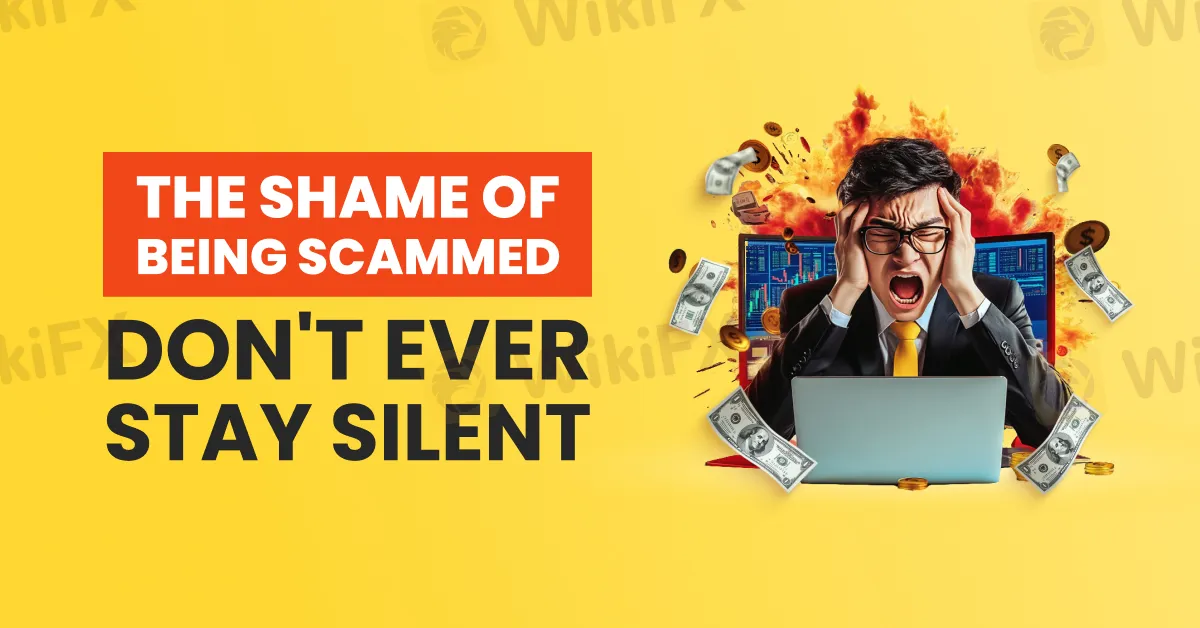
It often starts with a promise of fast profits, low risk, and a slick-looking platform that seems too good to ignore. Before long, your savings are gone, the website vanishes, and so does the person who convinced you to invest. Whats worse? You never tell a soul. Every year, countless people fall into the trap of fraudulent investment schemes, yet most never speak up. Why? And what does this silence mean for the rest of us?
The answer often comes down to shame and embarrassment. When someone is scammed, they don‘t just lose money, but they may also feel like they’ve lost their dignity. Many blame themselves, thinking they were “stupid” for trusting the wrong person or for not spotting the warning signs. This feeling of failure makes it hard to talk about what happened.
Scammers are skilled at gaining peoples trust. They present themselves as professionals, often using fake websites, logos, and even friendly phone calls to build confidence. So when the truth comes out, victims feel not only cheated, but also deeply hurt by the betrayal. In an industry where confidence is key, admitting to being fooled can feel like a sign of weakness.
But staying silent carries its risks, both for the individual and for the wider trading world.
For the person who has been scammed, silence can delay healing. Losing money is hard enough, but keeping it a secret adds stress, anxiety, and even depression. Without speaking up, victims may miss out on help from family, support groups, or even the police. Some even end up falling into a second scam, known as a “recovery scam”, where fraudsters promise to get your money back for a fee.
Many investors overlook free transparency tools designed to protect them, such as WikiFX, a platform that allows traders to share their experiences with forex brokers through its Exposure page. The WikiFX mobile app, available on Google Play and the App Store, provides free access to these reviews and documented disputes, helping users assess broker credibility. For those already affected by fraud, WikiFX offers support through its in-app Exposure feature, where victims can submit their case and seek assistance.

To date, the platform has helped resolve over 15,000 disputes, recovering more than $65 million. While success isnt always guaranteed, turning to community-based tools like WikiFX can offer crucial support in recovering lost funds and avoiding further exploitation.
Across the industry, silence allows scams to continue. If victims dont report what happened, regulators and trading platforms have fewer ways to track down criminals. That means more people get caught in the same trap. It also hurts the reputation of honest companies, as more people begin to lose trust in the system.

Breaking this silence is important. Just as people are now more open about mental health, we should be more open about financial loss. Regulators, brokers, and trading platforms should encourage people to report scams and make it easier to get support. Sharing stories can help others avoid the same mistakes.
Being scammed doesnt mean someone was foolish, as it means a criminal committed a crime. The more we talk about it, the more we can protect others and clean up the trading space.
Silence helps the scammer, not the victim. The first step to change is speaking out.