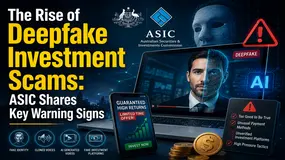
Abstract:Australia’s ASIC warns of advanced scams involving fake ASIC websites, impersonated regulators, and counterfeit rating pages. Learn how to detect and avoid these evolving fraud tactics.
 Contents
Fake ASIC Websites Are On the Rise
The Australian Securities and Investments Commission (ASIC) has issued a public warning about a growing number of websites impersonating its official portals, including asic.gov.au, connectonline.asic.gov.au, and asicconnect.asic.gov.au. These fake sites often use deceptively similar domain names and mimic the look and feel of real ASIC web pages.

Some of these fraudulent pages contain links to real ASIC content to boost their credibility. Others generate fake company search results to trick users into believing they are interacting with a legitimate regulatory database. The real goal? To extract sensitive data such as personal details, passwords, or even payment information from unsuspecting visitors.
Common tactics include:
- Domains like asic-connect-gov.au.net or asicsupport.org
- Fake pop-ups mimicking ASIC login pages
- Phishing forms asking for TFN, drivers license, or bank details
Fraudsters Now Impersonate ASIC Staff and “Government Investigators”
In a related scam, criminals have begun impersonating ASIC employees or government investigators to add pressure on victims. In many cases, these scammers claim they are conducting “official investigations” into previous trading losses or crypto scams and offer to help victims recover lost funds—for a fee.
They often use spoofed email addresses, stolen government logos, or WhatsApp messages to appear credible. Some even send documents with fake ASIC letterheads or use voice messages to impersonate real names of staff from regulatory agencies.

A recent case reported by WikiFX showed how scammers pretended to be law enforcement agents linked to ASIC. They promised victims that they could retrieve funds frozen in a trading platform, but only after an “unlocking fee” was paid. Victims were asked to share ID documents and crypto wallet access, leading to further theft.
What to watch for:
- Emails from fake domains like @asic-australia.org
- Urgent calls claiming arrest warrants or legal deadlines
- Requests for “administrative fees” or legal clearance
Fraudulent Rating Pages Pose as Trust Verification Sites
One of the most deceptive tactics observed recently is the use of fake forex or broker rating sites, designed to appear like independent review platforms or even regulatory databases. These pages often use the names of legitimate regulatory agencies and appear on Google or social media ads.
In many cases, scammers build entire websites that mimic the layout of known financial authorities. They assign fabricated “AA+ safety ratings” or “5-star compliance” badges to unregulated brokers. These fake ratings are used to lure investors into depositing funds on high-risk or outright fraudulent platforms.

Some of these bogus sites even embed widgets like “Live Trading Volume” or “Verified by Government” banners to build false trust. Once investors deposit money based on this misinformation, the brokers vanish—or impose fabricated withdrawal barriers.
Red flags include:
- Sites that rate only one broker (or only unknown names)
- No contact information or company registration
- Disabling of comments or third-party verification tools
- Overuse of official logos and security seals
What You Can Do to Stay Safe
Whether youre an individual investor or financial professional, there are key steps you should take to avoid becoming a victim:
- Always verify domain names when accessing regulatory websites.
- Never trust unsolicited contacts, even if they claim to be from a government body or law enforcement. Always initiate callbacks using official numbers.
- Use verified regulatory databases, such as WikiFX, to check broker licensing status and user reviews.
- Report suspicious behavior immediately to Scamwatch or the relevant regulator.
FAQ: Staying Safe from Evolving Financial Scams
Q: How do I know if a rating site is real?
A: Legitimate review sites will clearly list their company registration, data sources, and include user comments or audit trails. Beware of one-sided “perfect score” sites.
Q: What should I do if Ive interacted with a fake ASIC site?
A: Immediately stop communication, alert your bank, and contact IDCARE for identity protection. Report the incident to Scamwatch and ASIC.