Abstract:Capital.com reports a 42.5% surge in global trading volumes to $1.5 trillion, led by MENA’s record growth and Nasdaq-100’s rebound in volatile 2025 markets.

 Contents
Capital.com Trading Volumes H1 2025 Break Records
Capital.com, a leading digital-first online trading platform, recorded a remarkable 42.5% rise in global trading volumes for the first half of 2025, reaching $1.5 trillion, up from $1.06 trillion in late 2024. The catalyst for this unprecedented expansion was the rapid growth of the Middle East and North Africa (MENA) region. MENA activity soared 53% year-on-year, contributing $804.1 billion—representing more than half of the brokers worldwide volumes. The United Arab Emirates (UAE) drove overwhelmingly, generating 71.7% of all MENA trades and confirming its status as a global fintech hotspot for index and commodities trading.
The platform‘s 2025 performance places it firmly among the world’s fastest-growing regulated online brokers. Its deep integration of trading education tools, seamless digital experience, and strong regulatory standing—including licenses from the UK, Cyprus, Australia, and the SCA in Dubai—has enabled Capital.com to attract and retain engaged retail traders internationally.
MENA and UAE: The Epicenter of Capital.coms Growth
Traders in the MENA region executed over 35.5 million transactions in H1 2025, despite numbering only 35,000 clients. In contrast, Europe‘s 61,400 traders accounted for 26.4 million trades—underscoring the higher trading frequency among Middle Eastern users. “The MENA region is not only scaling quickly but is also demonstrating a high degree of market sophistication and activity,” said Tarik Chebib, CEO of Capital.com MENA. “Our regional traders are among our most engaged clients, leveraging both our platform’s accessibility and our robust risk management systems.”
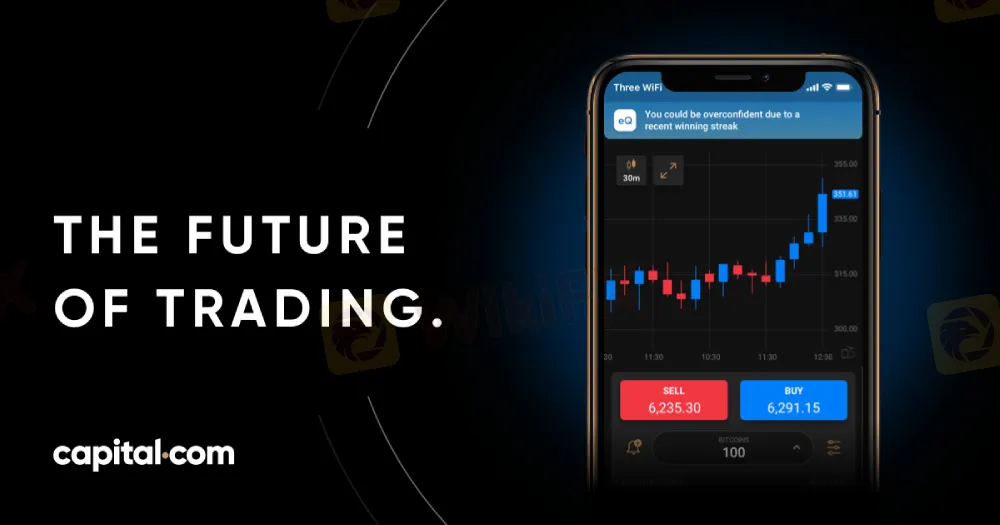
The UAE‘s dominance in the region is a direct reflection of the Emirates’ maturing fintech sector, regulatory progress, and sustained demand for diversified digital trading products. In a market increasingly defined by volatility, Capital.coms educational initiatives—including risk management tools and live trading guides—have empowered users to navigate complex conditions with greater confidence.
Index and Commodities Trading Dominate 2025 Activity
A significant portion of capital flows on the platform during H1 2025 was channeled into index and commodities markets, with indices alone accounting for $444.34 billion in MENA trades. The tech-heavy Nasdaq-100 emerged as a standout, surging 18% in Q2 after a rocky start to the year. This rally, fueled by robust performance from AI-centric companies such as NVIDIA, Microsoft, and Alphabet, drew global attention and reinforced the appeal of index trading among both MENA and international traders.
Commodities markets also saw heightened activity, as traders capitalized on price swings amid ongoing geopolitical risk and shifting macroeconomic signals. These trends underscore the appetite for diversified, volatile assets in MENA and reflect broader financial market dynamics impacting trading strategies worldwide.
Capital.coms Global Footprint and Educational Edge
Founded in 2016, Capital.com now operates a global network with regulated offices in London, Dubai, Limassol, Warsaw, and other key cities. Its digital platform, which supports trading across indices, equities, commodities, and other asset classes, is recognized for its intuitive design and comprehensive educational resources. The companys regulatory compliance—including oversight by the FCA, CySEC, SCA, ASIC, and others—reinforces its reputation as a trusted fintech broker for both emerging and established markets.
Tarik Chebib emphasized that Capital.com‘s growth in 2025 reflects its “ability to serve traders across diverse markets.” The broker’s focus on accessibility, transparency, and trader education has resonated especially strongly in regions undergoing rapid financial digitization, such as the UAE and broader MENA area. As global trading volumes continue to rise, Capital.coms platform statistics, regulatory adherence, and commitment to digital innovation position it as a bellwether for the future of online trading.