


India Q1 FY27 GDP Growth Hits 7.8%: 3 Scenarios for INR and Gold
India's Q1 FY27 GDP grew 7.8%, beating a 7.4% poll and RBI's 7.0% projection. See three conditional scenarios for INR, rates and gold.
Original

简体中文
繁體中文
English
Pусский
日本語
ภาษาไทย
Tiếng Việt
Bahasa Indonesia
Español
हिन्दी
Filippiiniläinen
Français
Deutsch
Português
Türkçe
한국어
العربية
اردو




Abstract:Forex signals are trade alerts showing when to buy or sell currencies, with entry, exit, and risk details for smarter decisions.
 Contents
Forex signals are trading tips that tell you the best times to buy or sell currencies. They‘re created using a mix of chart analysis, economic news, and computer programs. Each signal usually includes details like where to enter a trade, when to take profit, where to set a stop-loss, and the expected risk versus reward. You can get these alerts through apps, emails, or trading platforms, making it easier for beginners and busy traders to act quickly in fast-moving markets. Knowing how forex signals work is important if you want to trade with accuracy. They turn complex market data into clear actions, so you don’t have to watch charts or news all day. Whether they come from expert analysts or automated systems, forex signals can help you trade more consistently, avoid emotional decisions, and follow the overall market trend.
At their core, forex signals are trade recommendations that indicate optimal entry and exit points for buying or selling a currency pair. These alerts are generated through technical analysis indicators, fundamental market research, or a combination of both.
Signals typically include:
They can be delivered via email, SMS, push notifications, or directly through trading platforms and copy trading platforms.
How forex signals work depends on whether they are generated manually or automatically:
For example, a provider might detect a bullish breakout on EUR/USD using moving averages and RSI divergence. The signal would then specify a buy order at 1.0850, a stop loss at 1.0800, and a take profit at 1.0950.
Because the forex market operates 24 hours a day, five days a week, signals are often time-sensitive. Traders must act quickly to capture the intended market movement.
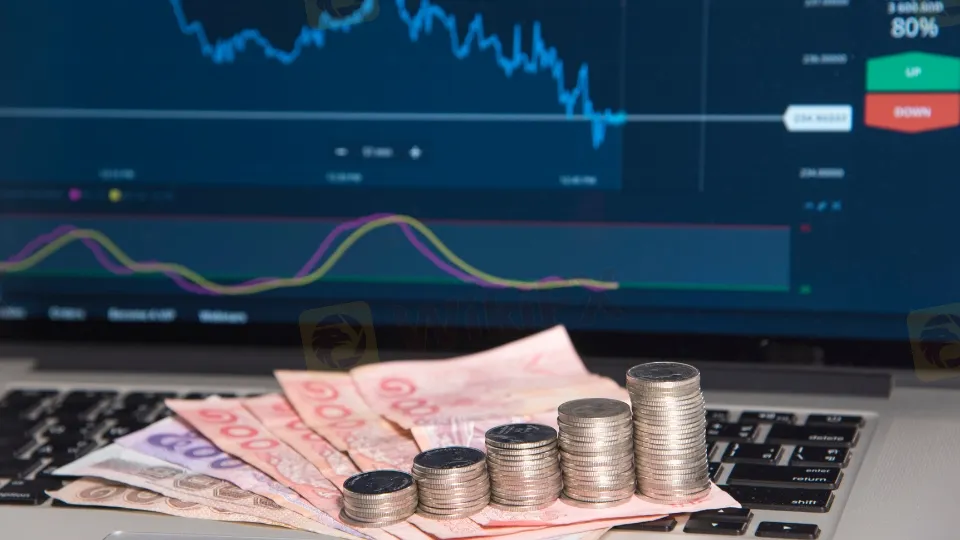
Forex signal services can be categorized by their methodology and delivery style:
Choosing the best forex signal providers requires due diligence. Key factors include:
Some reputable providers also offer trial periods, allowing traders to test the service before committing.
Pros:
Cons:
Understanding the pros and cons of forex signals helps traders decide whether to incorporate them into their strategy.
The concept of reliable forex signals hinges on consistent performance, transparent reporting, and sound risk management. Even the most accurate signals cannot eliminate risk entirely, so traders should:
To maximize the value of signals:
This approach aligns with the funnel stage search term how to use forex signals effectively, guiding traders toward confident adoption.
The forex industry is decentralized, making it vulnerable to scams. Traders should:
Always check the brokers negative cases on the WikiFX app before trading. Scan the QR code below to download and install the app on your smartphone.
Forex signals can be a valuable tool for identifying trading opportunities, but they are not a substitute for skill, discipline, and risk management. By understanding what forex signals are, evaluating providers carefully, and integrating them into a well-rounded strategy, traders can enhance their decision-making while maintaining control over their trades.
For those ready to explore, start with a trial from a reputable provider, track results diligently, and never stop refining your own market analysis skills.

Disclaimer:
The views in this article only represent the author's personal views, and do not constitute investment advice on this platform. This platform does not guarantee the accuracy, completeness and timeliness of the information in the article, and will not be liable for any loss caused by the use of or reliance on the information in the article.

India's Q1 FY27 GDP grew 7.8%, beating a 7.4% poll and RBI's 7.0% projection. See three conditional scenarios for INR, rates and gold.
Choosing a forex liquidity provider is not a search for the lowest displayed spread or the longest provider list. It is a broker decision about pricing integrity, depth, routing, credit, reporting, incident response, and client communication. This 2026 guide explains how a forex LP, FX liquidity provider, or liquidity provider forex arrangement fits into a broker’s execution chain; what to test before onboarding; why a “best forex liquidity provider” claim cannot replace due diligence; and how to compare cost beyond commission. Use the execution-quality scorecard, provider questions, routing scenarios, and 90-day onboarding plan to assess whether a liquidity relationship can support your actual client mix, instruments, risk model, and jurisdiction. The goal is not to make a universal ranking. It is to build evidence that your broker can explain, supervise, reconcile, and recover its execution service when market conditions are difficult.
The visible fee in an MT4 white label proposal is rarely the real cost of operating it. For an existing broker, the decision is not simply whether an MT4 white label platform is “cheap” or “expensive.” The real question is whether the commercial model remains viable after integration, support, data, client migration, compliance, and exit costs are included. That is why an MT4 white label cost review should be built as a 24- to 36-month operating case. It should compare three credible choices: 1. Keep the present MT4 setup and improve its weakest controls. 2. Replace the MT4 white label provider but retain the client proposition. 3. Migrate selected clients or products to another platform while running MT4 in parallel. This guide explains how to build that case without relying on headline prices or generic vendor claims.
Withdrawal delays are precisely the complaint we keep receiving on WikIFX, a veteran in the forex regulation inquiry space. While some users receive withdrawal access initially and find rejections on their applications later, some fail to receive a single approval. Some delays usually result from genuine compliance requirements that brokers need to adhere to. However, in many cases, traders have accused the broker of repeated excuses as part of its alleged strategy to deny a seamless fund release. A pending withdrawal cannot be an outright indicator of fraudulent activity. Financial institutions, including forex brokerage entities, need to abide by the anti-money laundering (AML) and Know Your Customer (KYC) regulations. However, as the monitoring process stretches beyond weeks or months, traders become frustrated and raise questions over the broker’s reliability.
WikiFXWikiFXWikiFXWikiFXWikiFXWikiFXWikiFXWikiFXWikiFXWikiFX