Abstract:Have you witnessed a difference between the expected price of a trade and the price at which it is executed in real time? This might be due to slippage, which can happen at any time. However, it prevails mostly when the market remains highly volatile. At the same time, it can also happen during large order executions. Read on to know more about slippage, its impacts, and the strategies to rein in adverse effects.
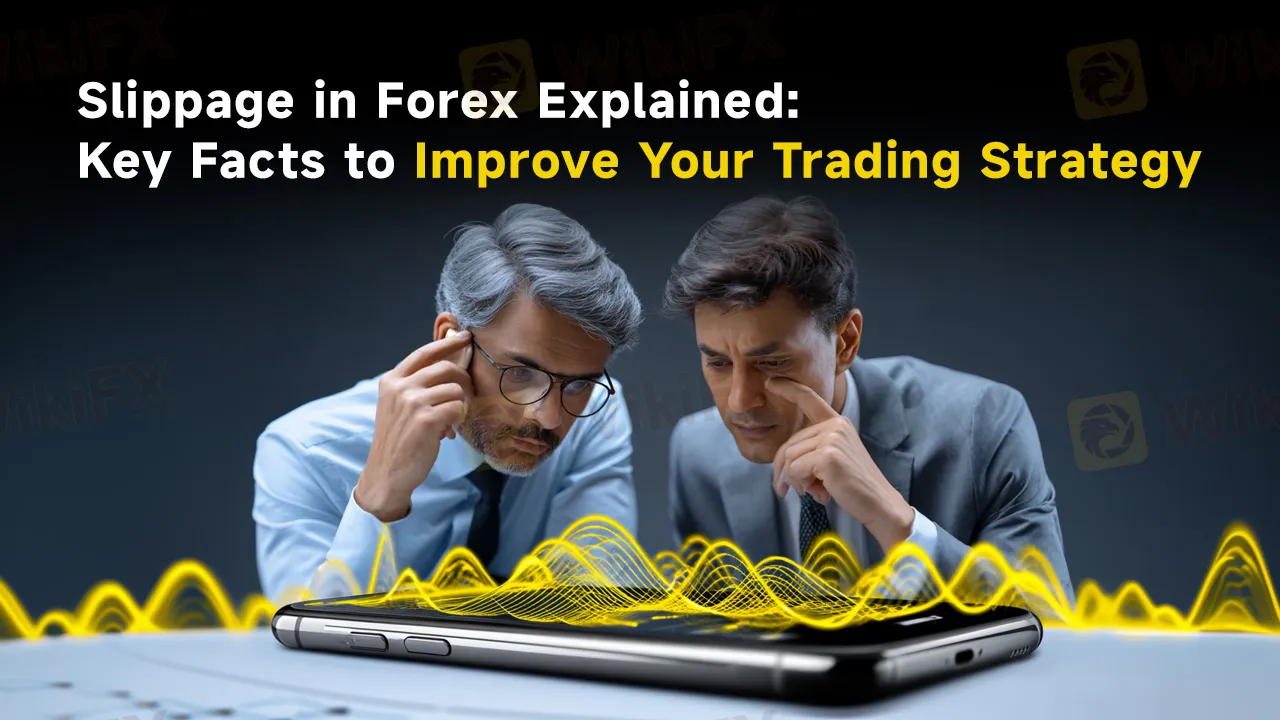
Have you witnessed a difference between the expected price of a trade and the price at which it is executed in real time? This might be due to slippage, which can happen at any time. However, it prevails mostly when the market remains highly volatile. At the same time, it can also happen during large order executions. However, the lack of adequate volume at the selected price makes it challenging to maintain the existing bid/ask spread.
Interestingly, slippage can either be positive or negative. While a positive slippage ensures investors with a better-than-expected price, a negative slippage works the opposite way. Investors should, therefore, understand slippage to make the right trading decision. You can always use methods to reduce slippage by using limit orders or trading when the market remains calm.
More Insights on Slippage
Slippage, in no way, denotes a positive or negative movement. This is because the difference between the intended execution price and the actual execution price leads to slippage. The order execution implies the purchase and sale of the currency pair at the most favorable price an exchange or other market maker can offer. These results can be more favorable, equal to, or less favorable than the expected execution price. This price can lead to positive, no, or negative slippage, depending on the expected price.
With the potential for fast market price changes, slippages can happen during the delay between the trade execution and completion. Slippage, despite being used in several market venues, carries the same definition. However, slippage can result in different circumstances for each venue.
A limit order helps avoid negative slippage. However, risks wont get executed if prices fail to reach the limit. The risk rises when markets fluctuate frequently, significantly reducing the scope for trade completions at the intended execution price.
Understanding Slippage Better with an Illustration
Commonly, slippage results due to an abrupt change in the bid/ask spread. The market order execution can happen at a less or more favorable price than originally intended. The negative slippage represents the increase in ask for a long trader or the decrease in bid for a short trade. In contrast, a positive slippage represents the decrease in ask for a long trade and an increase in bid for a short trade. Using limit orders, instead of market orders, can help traders avoid slippage.
For instance, a company posts bid/ask prices worth $183.50/$183.53 on the broker page. Assume a market order for 100 shares is placed so that order filling happens at $183.53. However, computerized program-let microsecond transactions raise the bid/ask spread to $183.54/$183.57 before order fill. Subsequently, the order is filled at $183.57, leading to $0.04 per share or $4 per 100 shares, accounting for a negative slippage.
Strategies for Minimal Slippage Impact
Slippage is part and parcel of forex investments. The impact can be far-reaching, especially across markets with increased volatility or low liquidity. However, using a few strategies, you can reduce the impact of slippage on your earnings.
Trade When the Market Remains Calm
If the market remains less volatile, the chances of slippage affecting your investments remain significantly lower. To limit slippage, do not trade during major economic announcements or vital updates related to the currency pair you wish to bet on. These events can trigger sharp price movements. If these events remain unfavorable to your trading, you might be at a loss when trading during their release.
Place Limit Orders
The execution of market orders can be thrilling based on the market environment. To ensure adequate balance, you should look to place limit orders that happen at a set price or better. This will help avoid negative slippage. However, the risk of order execution failure lurks with this.
Summing Up
Slippage is an inevitable part of forex trading, often arising from market volatility, liquidity gaps, or execution delays. While it can sometimes work in your favor, frequent negative slippages can erode profits over time. Understanding how and when slippage occurs allows traders to prepare better and plan more effectively.
By trading during calm market periods, avoiding major economic releases, and using limit orders strategically, you can minimize the slippage‘s impact and protect your trading capital. Ultimately, mastering slippage management is not about eliminating it completely—it’s about controlling its influence so your trades stay aligned with your strategy and risk tolerance.
What do you want to read - Forex Strategies, Latest News or Scam Alerts? We have got you covered through WikiFX Masterminds.
Just a few steps, and you would be our elite group member.
1. Scan the QR code placed right at the bottom.
2. Download the WikiFX Pro app.
3. Afterward, tap the ‘Scan’ icon placed at the top right corner
4. Scan the code again.
5. Congratulations on joining the group.