Abstract:Saxo Bank explores a possible sale valued at up to $2.1B after scrapped SPAC listing, drawing interest from private equity, asset managers, and European banks.

 Contents
Saxo Bank Considers Strategic Sale
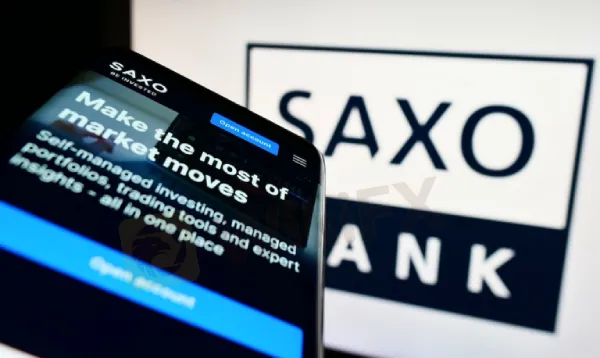
Saxo Bank, the Copenhagen‑based provider of digital trading and investment services, is weighing a potential sale after abandoning plans to go public. According to a Reuters report published April 18, the bank has invited investment bankers to pitch for advisory roles as it explores strategic options.
Sources familiar with the matter told Reuters that a deal could value Saxo between $1.6 billion and $2.1 billion. While the bank declined to comment when contacted by PYMNTS, industry observers expect strong interest from private equity firms, asset managers, and European financial institutions.
The move comes less than two years after Saxo attempted to merge with a special purpose acquisition company (SPAC), a deal that collapsed in late 2022 amid what the bank described as “challenging market conditions.”
SPAC Listings Lose Momentum in FinTech
Saxos abandoned SPAC deal reflects a broader slowdown in the once‑booming market for blank‑check mergers. In 2021, more than 600 companies pursued SPAC listings, making it a favored route to public markets. By mid‑2023, however, activity had dwindled to single‑digit deals in sectors such as commerce and FinTech, according to PYMNTS reporting.
The decline underscores shifting investor sentiment and tighter regulatory scrutiny. While some exceptions remain — notably Trump Medias Truth Social, which surged to nearly $80 per share on debut before retreating to $25 — the SPAC boom that defined the pandemic era now appears to be fading.
Banking Trends Highlight Gen Z Demands
Beyond Saxos corporate maneuvering, broader banking trends point to rising expectations among younger consumers. Research from PYMNTS Intelligence and PSCU shows Gen Z customers demand seamless, mobile‑first financial services.
From opening accounts and paying bills to investing and accessing credit, Gen Z views mobile banking not as a convenience but as a requirement. On average, they actively use five banking and payments products and would adopt twice as many if offered.
This shift underscores the competitive pressures facing institutions like Saxo Bank, which must balance strategic decisions about ownership with evolving consumer demands for personalized, digital‑first services.
About Saxo Bank
Founded in Denmark, Saxo Bank specializes in online trading and investment platforms, serving retail and institutional clients worldwide. Its services span equities, foreign exchange, commodities, and derivatives, positioning the firm as a key player in Europes digital finance sector.