Abstract:GCash launches its Virtual US Account in the Philippines, cutting forex fees and empowering freelancers with higher take-home pay.
 Contents
Introduction
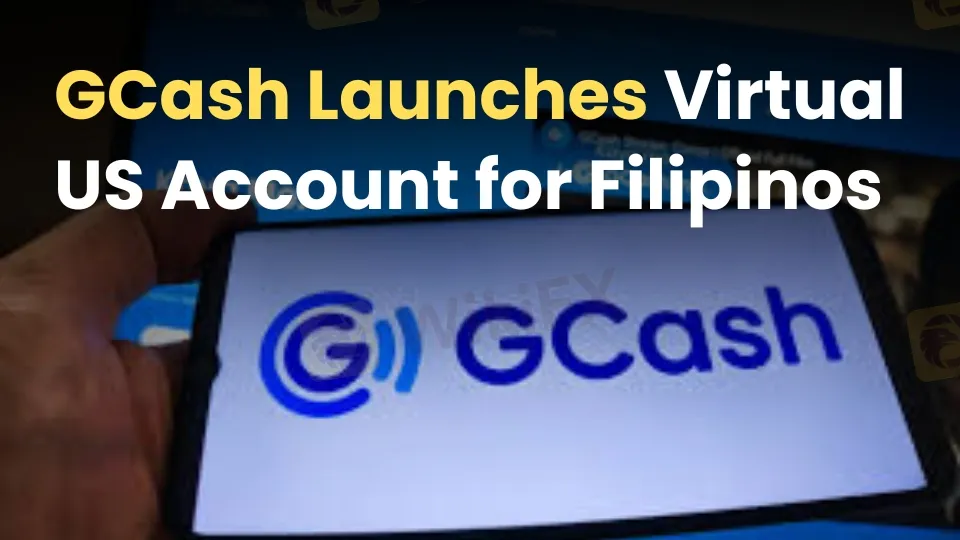
The Philippines largest mobile wallet, GCash, has unveiled its Virtual US Account, a feature designed to reshape how Filipinos—particularly freelancers and overseas remittance recipients—receive and manage payments. By allowing users to hold US dollars directly in their e-wallets and convert them into pesos only when needed, the service promises to reduce foreign exchange costs and eliminate hidden banking fees.
This innovation arrives at a critical time for the countrys growing gig economy, where thousands of professionals rely on cross-border payments from US-based clients.
GCash Virtual US Account and Forex Savings for Filipinos
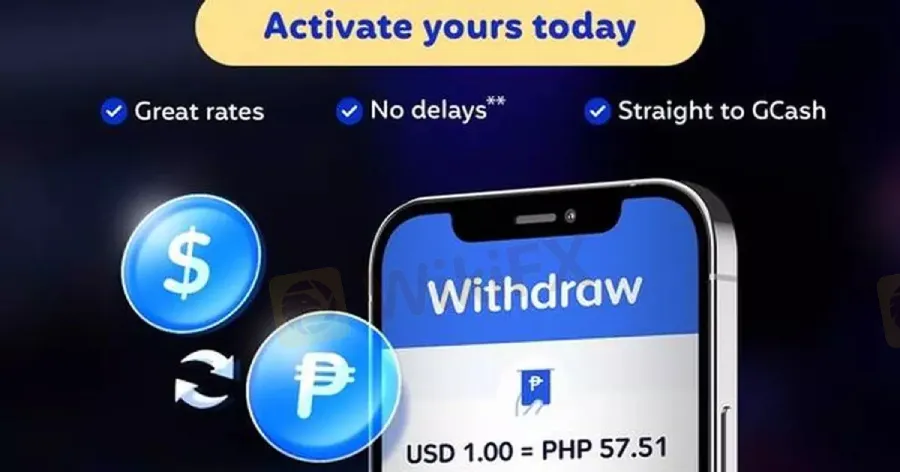
GCashs new Virtual US Account enables users to bypass traditional banking hurdles. Instead of incurring high conversion charges or withdrawal fees, Filipinos can now:
- Hold US dollars securely in their GCash wallet.
- Convert funds into pesos at favorable exchange rates.
- Avoid costly intermediary bank fees and delays.
According to GCash International General Manager Paul Albano, the feature directly addresses a persistent pain point for freelancers who often lose 5–10% of their income to transaction costs. For a freelancer earning $1,000 monthly, this could mean saving up to ₱5,000 in fees—money that can now go toward household expenses or reinvestment in their business.
The service is powered by Meridian1, a global payments network, under a “for the benefit of” arrangement. While not classified as a bank deposit, the accounts are safeguarded within international payment standards.
Impact on Freelancers and MSMEs in Metro Manila and Beyond
The Philippines has over 1.5 million registered freelancers, many of whom work with US-based clients. For these professionals, the Virtual US Account is more than a convenience—its a competitive advantage.
- Freelancers: Writers, developers, and designers can now receive payments instantly without losing margins to forex spreads.
- MSMEs: Small businesses in Metro Manila and Cebu can leverage the account to accept card payments from international customers.
- Remittance recipients: Families depending on overseas workers benefit from higher net remittances, strengthening local household spending power.
Industry analysts note that this move positions GCash as a regional fintech leader, competing with platforms like PayPal and Wise. Unlike these global players, GCash integrates directly into the Philippine financial ecosystem, offering seamless cash-out options through local banks such as RCBC.
Regulatory Context and Market Outlook in the Philippines
While the Virtual US Account is not covered by deposit insurance schemes, GCash emphasizes transparency in its rollout. The Bangko Sentral ng Pilipinas (BSP) has consistently urged fintech firms to prioritize consumer protection, and GCashs partnership with Meridian1 reflects compliance with international payment standards.
Market data suggests that digital remittances in the Philippines grew 18% year-on-year in 2025, reaching nearly $15 billion. With the US as the largest source of remittances, the Virtual US Account could capture a significant share of this flow.
Financial experts predict that if even 20% of remittance recipients adopt the feature, GCash could process over $3 billion annually through its USD wallet system. This would not only strengthen GCash‘s market dominance but also accelerate the Philippines’ transition toward a cash-lite economy.
Conclusion
The launch of the GCash Virtual US Account marks a turning point for Filipino freelancers, MSMEs, and remittance-dependent households. By reducing forex costs and eliminating hidden fees, the platform enhances financial inclusion while reinforcing the Philippines position as a hub for digital payments innovation.
For freelancers in Cebu, Davao, and Metro Manila, the message is clear: higher take-home pay, faster access to funds, and a more competitive edge in the global gig economy.