


Why Most Retail Traders Fail: What the Numbers Reveal
Retail trading data shows why so many traders quit or lose money, from short survival periods and high costs to overconfidence, emotional decisions, and poor risk control.
Original

简体中文
繁體中文
English
Pусский
日本語
ภาษาไทย
Tiếng Việt
Bahasa Indonesia
Español
हिन्दी
Filippiiniläinen
Français
Deutsch
Português
Türkçe
한국어
العربية
اردو




Abstract:Most of you aren’t actually trend trading. You are chasing hype, acting on FOMO (Fear Of Missing Out), or trying to be a hero by predicting a reversal that isn't there. Real trend trading is boring. It requires patience. And mostly, it requires you to stop making the three mistakes I see in my inbox every single day.
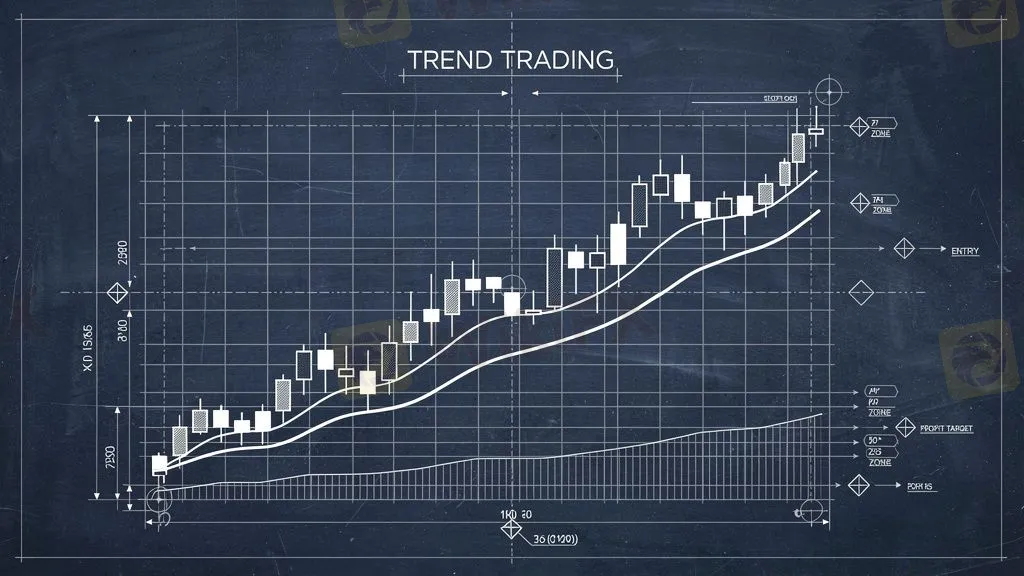
Everyone loves to say, “The Trend is Your Friend.” It‘s the oldest cliché in the book. It’s printed on t-shirts, mugs, and whispered in every trading chat room on the planet.
But if the trend is such a good friend, why does it keep stabbing you in the back?
Here is the brutal truth: Most of you arent actually trend trading. You are chasing hype, acting on FOMO (Fear Of Missing Out), or trying to be a hero by predicting a reversal that isn't there. Real trend trading is boring. It requires patience. And mostly, it requires you to stop making the three mistakes I see in my inbox every single day.
Lets clean up your strategy.
This is the classic “Retail Trap.”
You open your phone. You see an asset—maybe it's Gold, maybe it's Bitcoin, or a volatile pair like GBP/JPY—shooting straight up. Its been green for three hours straight. Your brain starts screaming: “I'm missing it! Everyone is making money except me!”
So, you hit the BUY button.
Five minutes later, the price drops like a stone. You get stopped out. Then, almost like magic, the price starts going up again without you.
The Fix:
You are buying the extension, not the trend. Trends move in waves, like breathing. Inhale (impulse), exhale (correction). When you buy after a massive green spike, you are buying at the end of the inhale. The market needs to exhale.
Professional traders don't chase the spike. We wait for the “pullback.” We wait for the price to come back to a support level or a moving average. If you feel excitement when you press the button, you are probably wrong. You should feel bored. Wait for the discount, or don't enter at all.
Lots of new traders ask me this. The answer is yes and no. You follow the money, not the crowd.
This leads to the second biggest account killer: Trying to catch a falling knife.
I see this all the time. A currency pair drops 1% in a day. It looks oversold. It looks cheap. You think, “It has to bounce back. It can't go any lower.”
Yes, it can. And it likely will.
Novice traders have an obsession with picking “tops” and “bottoms.” It makes you feel smart, like you outsmarted the market. But the market is a steamroller, and you are standing in front of it picking up pennies.
If the chart is moving from the top left to the bottom right, you should only be thinking about selling. Do not look for buy signals in a strong downtrend. You might get lucky once, but eventually, that steamroller will flatten your account.
The Mental Shift:
Stop trying to predict where the trend ends. The trend ends when the price action tells you it ends (higher lows in a downtrend, for example), not when your gut tells you “it's moved too much.”
This is the silent killer. It doesn't blow your account up in one trade; it bleeds you to death slowly with 10 small losses in a row.
Markets only trend about 30% of the time. The other 70%? They range. They go sideways. They chop up and down within a tight zone.
The mistake happens when you try to apply a “Trend Following Strategy” (like breakout trading) in a sideways market. You buy the high of the range thinking it's a breakout -> price falls back in. You sell the low thinking it's a breakdown -> price bounces back up.
You get chopped to pieces.
The Shield:
Before you place a trade, zoom out. Look at the Daily or 4-hour chart. Is there a clear direction? If the chart looks messy or flat, sit on your hands. Cash is a position, too.
Speaking of messy markets, you need to be careful about who you trust with your money.
When strong trends hit the headlines (like a massive Crypto run or Gold hitting an All-Time High), fake brokers come out of the woodwork. They will cold call you or sparkle ads on social media promising “Zero Spread Trend Algorithms” or “Guaranteed Returns.”
They know you are greedy for the trend. They use that against you.
Never deposit money with a broker just because their ad looks good. Check their regulatory license first. I always tell my students to run a quick search on the WikiFX app. It shows you if the broker is regulated, where they are based, and if they have a history of blocking withdrawals.
If WikiFX marks them as unregulated or low-score, it doesn't matter how good your trend strategy is—you won't ever see that profit. Use the shield.
Trading trends is profitable, but only if you respect the rules.
The market will be there tomorrow. Make sure your capital is, too.
Disclaimer: This article is for educational purposes only and does not constitute financial advice. Trading involves significant risk, and you should only trade with capital you can afford to lose. Always perform your own due diligence.
Disclaimer:
The views in this article only represent the author's personal views, and do not constitute investment advice on this platform. This platform does not guarantee the accuracy, completeness and timeliness of the information in the article, and will not be liable for any loss caused by the use of or reliance on the information in the article.

Retail trading data shows why so many traders quit or lose money, from short survival periods and high costs to overconfidence, emotional decisions, and poor risk control.

The market is a game of psychology, not just economics. Trade what the chart is doing, not what the news anchor is saying.
I see it every single day. A student sends me a screenshot of their trading setup, asking why they got stopped out.
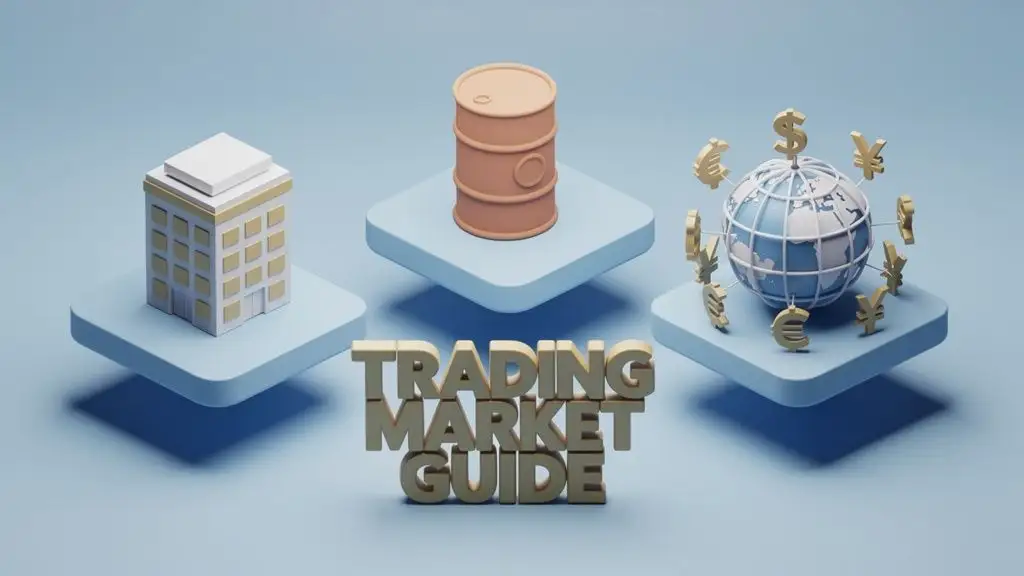
You’ve probably seen the screenshots on social media. Someone turns $500 into $5,000 in a single morning, and suddenly everyone wants to be a trader. But here is the cold reality: trading isn’t a single game. It’s a collection of different battlefields, and if you bring a knife to a gunfight, you’re going to lose your capital.
WikiFXWikiFXWikiFXWikiFXWikiFXWikiFXWikiFXWikiFXWikiFXWikiFX