


Why Most Retail Traders Fail: What the Numbers Reveal
Retail trading data shows why so many traders quit or lose money, from short survival periods and high costs to overconfidence, emotional decisions, and poor risk control.
Original

简体中文
繁體中文
English
Pусский
日本語
ภาษาไทย
Tiếng Việt
Bahasa Indonesia
Español
हिन्दी
Filippiiniläinen
Français
Deutsch
Português
Türkçe
한국어
العربية
اردو




Abstract:Trading less isn't lazy. It’s the smartest move you can make.
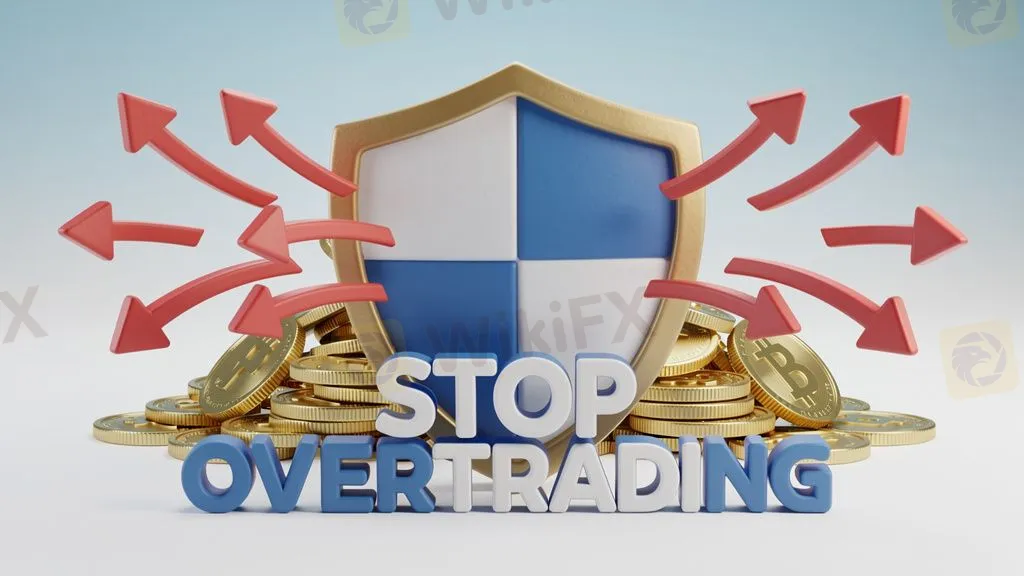
Listen to me closely. In almost every other job in the world, working harder means making more money. If you lay more bricks, you build the wall faster. If you drive more hours, you get paid more overtime.
But trading? Trading is the only profession where “working harder”—clicking that buy/sell button more often—is usually the fastest way to go broke.
I see it every day in my inbox. Traders send me their history showing 50, 80, even 100 trades a week. They feel productive. They feel like they are fighting the market and winning. But when they look at the bottom line, the account is red.
If this sounds like you, put the phone down for a second. We need to have a serious talk about the silent killer of portfolios: Overtrading.
Let‘s strip away the charts and look at the raw numbers. Every time you enter a trade, you are paying a toll. It’s called the spread (or commission).
If you are trading EUR/USD and the spread is 1 pip, you start every single trade at -1 pip. That doesn't sound like much, right?
But if you take 10 trades a day, thats 10 pips you have to earn just to break even. That is 50 pips a week. Over a month, you are starting 200 pips in the hole. You have to be a brilliant trader just to get back to zero.
The market doesn't pay you for effort. It pays you for being right. By trading frequently, you are voluntarily giving the broker a bigger chunk of your capital before the market even moves.
This is the uncomfortable question most novices refuse to ask.
When you trade frequently—scalping 5-minute charts, jumping in and out on every minor candle flicker—you aren't really analyzing. You are reacting.
Human brains have a limit on high-quality decision-making. Its called decision fatigue. The first trade of the day might be based on a solid setup, clear support levels, and good risk management. By trade number 15, your brain is tired. You stop checking the higher timeframes. You stop calculating your stop loss properly.
You start chasing losses. You sell because it went down, then buy because it went back up immediately.
At that point, you aren't a trader anymore. You are a gambler sitting at a slot machine, hoping the next pull of the lever hits the jackpot. And we all know who wins in the casino eventually (Hint: its not you).
There is another danger to clicking that button too often, and it has nothing to do with your strategy. Its about who holds your money.
Market makers and brokers love volume. But unregulated, shady brokers love overtraders even more. They know that the more you trade, the more likely you are to make a mistake they can exploit, or simply burn your account so they can pocket your deposit.
Some platforms even engineered their apps to feel like video games to keep you addicted, triggering that dopamine rush every time you hear the “cha-ching” sound.
Before you commit your savings to a broker that encourages high-frequency churning, do your homework. WikiFX is the shield you need here. Look up your broker's regulatory status on the WikiFX app. If they have a low score or are unregulated, and they are pushing you to trade more volume for “bonuses,” run the other way.
Don't let a scam broker bleed you dry with wide spreads and slippage on your 50th trade of the day.
So, what is the fix?
You need to change your mindset from a machine gunner to a sniper.
The best traders I know—the ones who have survived 20 years in this game—sometimes don't trade for days. They sit on their hands. They wait for the market to come to their level.
If Bitcoin is stuck in a choppy range, they do nothing. If Gold is messy, they go play golf. They preserve their mental capital and their actual capital for the “easy” setups.
I want you to try something painful this week.
Cut your trade volume by 50%.
If you usually take 10 trades a day, you are only allowed 5. If you take 4 trades a week, make it 2.
Force yourself to filter out the “maybe” trades. Only pull the trigger when the setup is so perfect it screams at you. You will be bored. You might feel restless. But at the end of the week, look at your P&L. I guarantee you'll see less red and more stability.
Trading less isn't lazy. Its the smartest move you can make.
Disclaimer: This article is for educational purposes only and does not constitute financial advice. Trading carries a high level of risk, and you can lose more than your initial deposit.
Disclaimer:
The views in this article only represent the author's personal views, and do not constitute investment advice on this platform. This platform does not guarantee the accuracy, completeness and timeliness of the information in the article, and will not be liable for any loss caused by the use of or reliance on the information in the article.
Retail trading data shows why so many traders quit or lose money, from short survival periods and high costs to overconfidence, emotional decisions, and poor risk control.

The market is a game of psychology, not just economics. Trade what the chart is doing, not what the news anchor is saying.
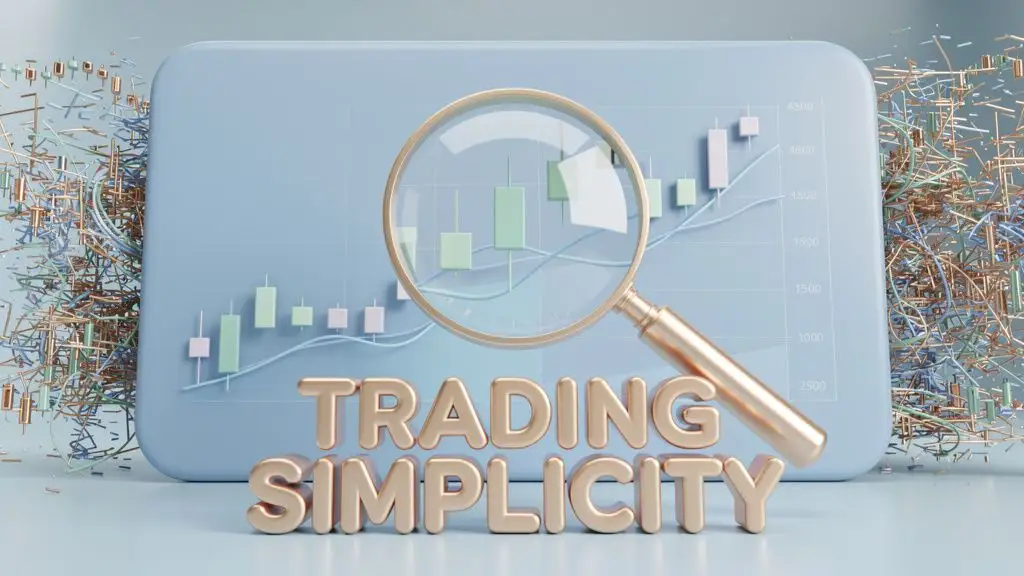
I see it every single day. A student sends me a screenshot of their trading setup, asking why they got stopped out.
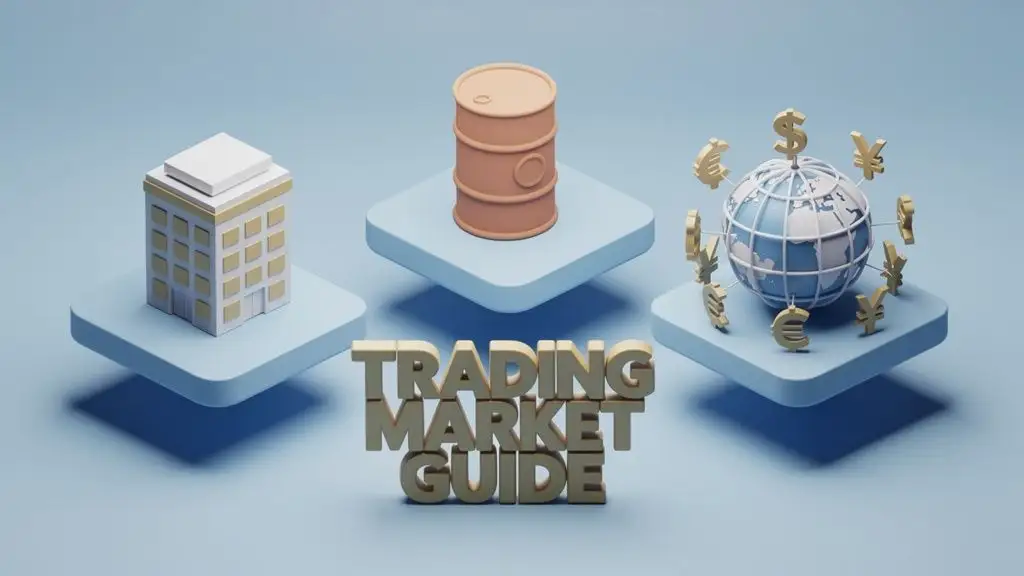
You’ve probably seen the screenshots on social media. Someone turns $500 into $5,000 in a single morning, and suddenly everyone wants to be a trader. But here is the cold reality: trading isn’t a single game. It’s a collection of different battlefields, and if you bring a knife to a gunfight, you’re going to lose your capital.
WikiFXWikiFXWikiFXWikiFXWikiFXWikiFXWikiFXWikiFXWikiFXWikiFX