

Global Broker Regulation Inquiry App
About WikiFX
English
简体中文
繁體中文
English
Pусский
日本語
ภาษาไทย
Tiếng Việt
Bahasa Indonesia
Español
हिन्दी
Filippiiniläinen
Français
Deutsch
Português
Türkçe
한국어
العربية
اردو


He Thought He Was Investing BUT US$500,000 Disappeared!

WikiFX
|


Abstract:A man sent US$500,000 to his girlfriend for a cryptocurrency investment, and it turned out to be a scam!
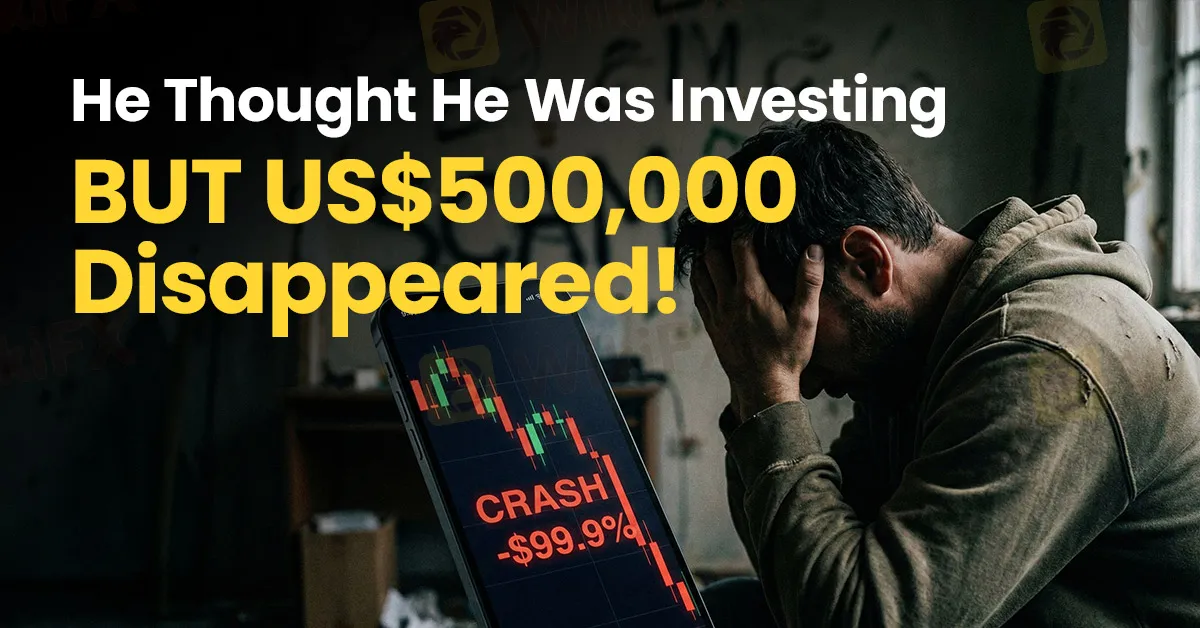
A carefully constructed online relationship cost an elderly American man nearly US$500,000 in life savings. While the case took place in the United States, its lessons are highly relevant to Malaysians, as similar scams are increasingly reported across the region.
The victim, a man in his seventies, believed he had formed a genuine connection with a woman he met on a niche dating and social media platform. Over five months, the pair communicated daily through messages and video calls. The woman presented herself as a Finnish fitness instructor living in Florida and shared images of her work, sent gifts, and even planned an in-person meeting that was cancelled at the last minute. The relationship appeared consistent, personal and convincing.
What the man did not realise was that he had become part of a “pig butchering” scam, a form of fraud that has surged globally, including in South-East Asia. These schemes involve criminals building trust over time before steering victims towards fake investment platforms, most commonly linked to cryptocurrency trading.
The woman claimed to invest with guidance from a relative who allegedly ran a company specialising in cryptocurrency market predictions. At the time, the victim was preparing for retirement and worried about whether his savings would be sufficient to support his family. The promise of steady investment returns appeared to offer a solution.
He began with a modest sum, investing a few thousand dollars into a trading account he was guided to open. The platform showed consistent profits, and he was able to withdraw small amounts, reinforcing his confidence. Gradually, he committed more funds, eventually drawing heavily from his retirement savings and taking out additional loans.
By August, the trading account displayed a balance exceeding US$1 million. However, when he attempted to withdraw the funds, he was informed that a large tax payment was required before the release of the money. Under pressure and fearful of losing everything, he borrowed more to cover the supposed fees. Only later did he discover that the trading website was a sophisticated fake, and the money was irretrievable.
Scams of this nature have become a multibillion-dollar global industry. Fraud experts note that they often begin with romance, friendship or professional networking, and are designed to exploit emotional trust rather than technical ignorance. Cryptocurrency is frequently used because of its complexity, cross-border nature and limited consumer protection.
For Malaysians, the risks are particularly acute. Authorities have repeatedly warned about online investment scams promising high or guaranteed returns, especially those involving digital assets. According to official data, Malaysians lose billions of ringgit each year to online fraud, with investment scams among the most damaging.
These operations are often linked to organised crime networks operating out of the region. Many scam centres are believed to be located in South-East Asia, with some workers themselves trafficked and forced to carry out fraud.
The key warning signs are often subtle in the moment. Unsolicited contacts, pressure to act quickly, requests for additional payments to unlock profits, and platforms that cannot be independently verified should all raise immediate concern. Once victims are emotionally invested, they may ignore doubts and delay seeking help.

Disclaimer:
The views in this article only represent the author's personal views, and do not constitute investment advice on this platform. This platform does not guarantee the accuracy, completeness and timeliness of the information in the article, and will not be liable for any loss caused by the use of or reliance on the information in the article.
WikiFX Broker
Latest News
AUD/JPY Price Forecast: Rebounds above 112.50, while staying constrained below 100-day SMA
WikiFXFCA Warns Against Multiple Unauthorised Forex Brokers
WikiFXiFOREX Europe Review 2026: CySEC Regulation and Recent Withdrawal Complaints
WikiFXRM6 Million Crypto Windfall Vanishes In Three Days
WikiFXLeading the Transparency Movement: The Trust Dialogue with Nikos Christou from Lirunex
WikiFXLOTAS CAPITAL Review 2026: MISA Record Discrepancy and Recent Withdrawal Complaints
WikiFXUSDCAD H4 | Bearish Rejection — Downside Targets in Focus
WikiFXEUR/JPY Price Forecast: Trades near 181.50 after rebounding from descending channel bottom
WikiFXChinese Yuan: Services PMI rebound keeps PBoC cautious – Commerzbank
WikiFXEUR/USD holds 1.15661 to the pip - reclaim or fade?
WikiFX