

Global Broker Regulation Inquiry App
About WikiFX
English
简体中文
繁體中文
English
Pусский
日本語
ภาษาไทย
Tiếng Việt
Bahasa Indonesia
Español
हिन्दी
Filippiiniläinen
Français
Deutsch
Português
Türkçe
한국어
العربية
اردو


US Imposes 25% Tariff on AI Chips, Elevating Tech Trade Tensions

WikiFX
|


Abstract:The White House has imposed a 25% tariff on specific advanced AI chips to bolster domestic manufacturing, signaling a deepening of the tech-focused trade protectionism that is likely to weigh on global risk sentiment and semiconductor supply chains.
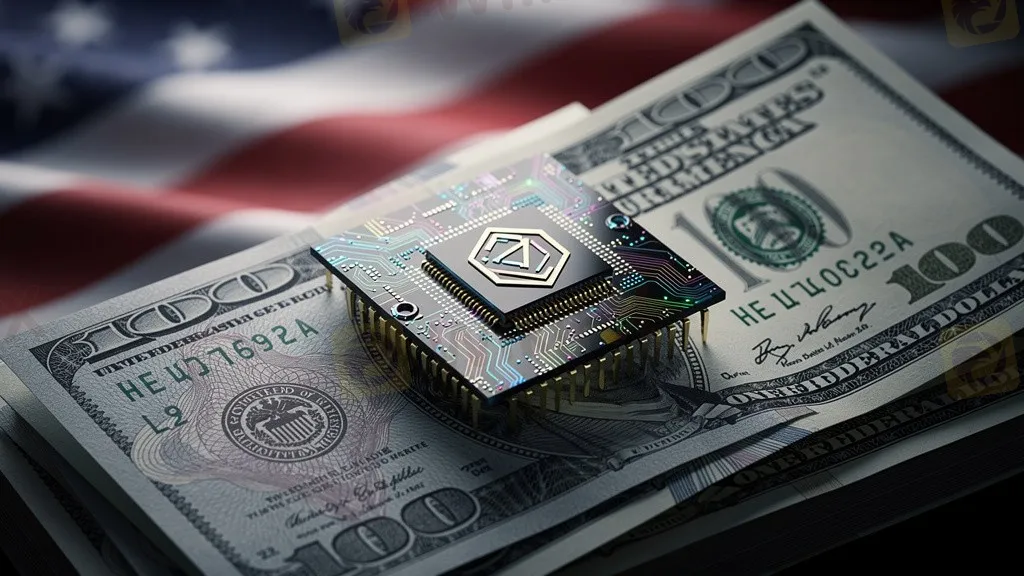
The White House has officially announced a 25% tariff on select imported semiconductor products, specifically targeting advanced artificial intelligence (AI) chips such as Nvidia‘s H200 and AMD’s MI325X. The administration cites national security concerns and the necessity of decoupling from foreign supply chains as the primary drivers for the levy, which takes effect on January 15.
Key Data Points
- Tariff Rate: 25%
- Effective Date: January 15
- Impacted Chips: Nvidia‘s H200, AMD’s MI325X
Policies and Market Impact
This move marks a significant escalation in the United States' strategy to onshore critical technology infrastructure. While the policy includes exemptions for chips used to build out US-based technology supply chains, the tariffs are designed to penalize “pass-through” imports intended for re-export.
Key Implications for Forex and Equities:
- Risk Sentiment: The imposition of tariffs reinforces the “America First” trade stance, potentially dampening global risk appetite. This environment typically favors the US Dollar (USD) as a safe haven while weighing on currencies sensitive to global trade, such as the EUR and RMB.
- Tech Sector Volatility: Major chipmakers like Nvidia and AMD face immediate pricing pressures. A slowdown in the semiconductor sector could drag on the Nasdaq, further fueling risk-off flows into the Dollar.
Strategic Exemptions
The administration clarified that the tariffs target a “narrow category” of semiconductors. Chips imported to support domestic US manufacturing or data center expansion may qualify for waivers. However, former President Trump, referencing the policy, indicated that the US expects to capture “25% of the sales value” from these imports, hinting at a revenue-generating mechanism rather than a pure blockade.
This development arrives just as the US Commerce Department relaxed certain export licenses to China, creating a complex regulatory environment where companies must navigate both export restrictions and import penalties.
Disclaimer:
The views in this article only represent the author's personal views, and do not constitute investment advice on this platform. This platform does not guarantee the accuracy, completeness and timeliness of the information in the article, and will not be liable for any loss caused by the use of or reliance on the information in the article.
WikiFX Broker
Latest News
OtetMarkets Review: Traders Report Frozen Funds and Withdrawal Blocks , Score Sits at 2.00
WikiFXIs Octa Safe for Malaysian Traders? Deep Dive into Octa's Regulatory Status
WikiFXPocket Broker Review: Is Your Deposit Safe?
WikiFXReview 2026: Dollars Markets Regulation, Withdrawal Complaints, and Platform Risks
WikiFXCapital Guard Liquidated: $17.4m Raised, Most Funds Gone
WikiFXSingapore Dollar Holds Tight Range as FOMC Looms
WikiFXHow a 'Legitimate' Investment Became a RM67.5 Million Ponzi Scheme That Scammed 206 Investors
WikiFXRupee Hits Two-Week High as RBI Defends 97 Mark
WikiFXForexMart Review: Profit Canceled, Principal Withheld, and a Broker Warning Traders Cannot Ignore
WikiFXTitan Capital Markets Review 2026: Complaints, Withdrawals, and Severe Risk Signals
WikiFX