

Global Broker Regulation Inquiry App
About WikiFX
English
简体中文
繁體中文
English
Pусский
日本語
ภาษาไทย
Tiếng Việt
Bahasa Indonesia
Español
हिन्दी
Filippiiniläinen
Français
Deutsch
Português
Türkçe
한국어
العربية
اردو


Market Wrap: Kiwi Rises on China Hopes; Oil Jumps on Iran Risks

WikiFX
|


Abstract:Global markets show mixed sentiment as the New Zealand Dollar rallies on Chinese data and Oil surges on geopolitical risks, while the Bank of England signals lingering wage inflation concerns.
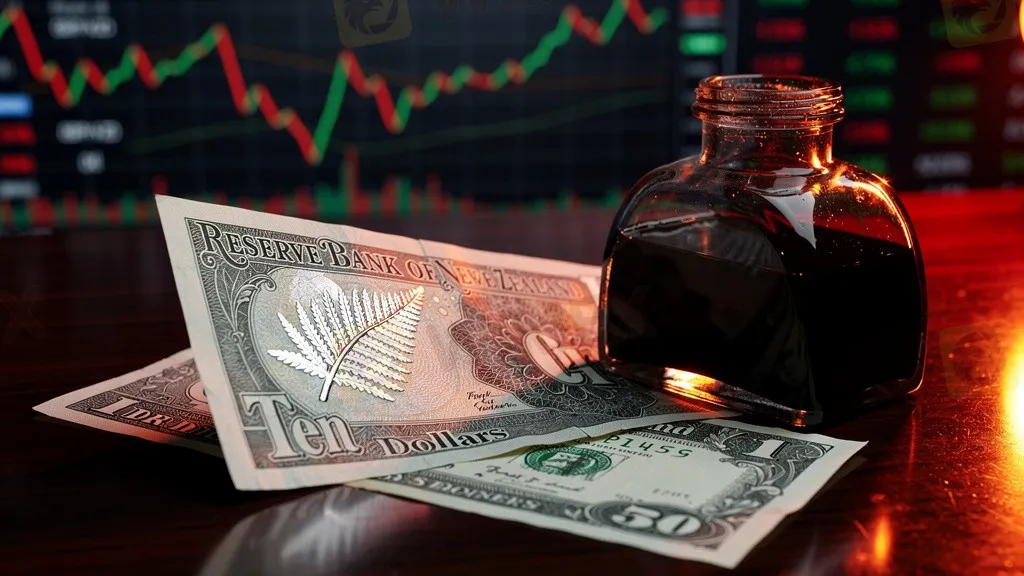
Currency and commodity markets displayed divergent trends regarding risk sentiment on Wednesday, driven by a combination of geopolitical tensions in the Middle East and central bank commentary from the UK and New Zealand.
- NZD/USD: Climbed approximately 0.25% to test the 0.5750 handle.
- WTI Crude Oil: Reached multi-month highs near levels not seen since late October.
- Sterling (GBP): Supported by wage growth focus for 2025.
NZD/USD Capitalizes on Chinese Data
The New Zealand Dollar (NZD) outperformed broadly, with NZD/USD climbing approximately 0.25% to test the 0.5750 handle. The move was primarily catalyzed by upbeat trade balance data from China, New Zealand's largest trading partner, which alleviated some concerns regarding demand in the Asian manufacturing hub. However, gains remain capped by a resilient US Dollar, which paused its recent rally but remains supported by expectations of a Federal Reserve hold in January.
BoE's Ramsden Flags Wage Stickiness
Sterling (GBP) traders received a hawkish reminder from Bank of England Deputy Governor David Ramsden. Speaking in London, Ramsden emphasized that wage growth remains a “key focus” for 2025, signaling that the BoE views current policy as appropriately restrictive. His comments suggest the BoE may be slower to ease policy compared to its peers, potentially offering support to GBP crosses if UK inflation data remains stubborn.
WTI Crude Hits Multi-Month Highs
In the commodities sector, WTI Crude Oil extended its winning streak for a fifth consecutive day, reaching levels not seen since late October. The rally is being driven by a renewed geopolitical risk premium following escalating unrest in Iran. Traders are pricing in potential supply disruptions in the region, overshadowing doubts about global demand growth. If tensions persist, the energy sector could act as a renewed inflationary force, complicating the task for global central banks.
Disclaimer:
The views in this article only represent the author's personal views, and do not constitute investment advice on this platform. This platform does not guarantee the accuracy, completeness and timeliness of the information in the article, and will not be liable for any loss caused by the use of or reliance on the information in the article.
WikiFX Broker
Latest News
OtetMarkets Review: Traders Report Frozen Funds and Withdrawal Blocks , Score Sits at 2.00
WikiFXIs Octa Safe for Malaysian Traders? Deep Dive into Octa's Regulatory Status
WikiFXPocket Broker Review: Is Your Deposit Safe?
WikiFXReview 2026: Dollars Markets Regulation, Withdrawal Complaints, and Platform Risks
WikiFXCapital Guard Liquidated: $17.4m Raised, Most Funds Gone
WikiFXWhy the Dollar Moves Almost Every Forex Pair
WikiFXBX Trade Review: Is This Unregulated Broker Worth the Risk?
WikiFXSTMARKET Review: Withdrawal Complaints Cloud a Low-Rated Broker, What to Know Before You Deposit
WikiFXDeriv Review: What Traders Should Know Before Depositing
WikiFXDollar Steadies as Rupee Finds Market Support
WikiFX