

Global Broker Regulation Inquiry App
About WikiFX
English
简体中文
繁體中文
English
Pусский
日本語
ภาษาไทย
Tiếng Việt
Bahasa Indonesia
Español
हिन्दी
Filippiiniläinen
Français
Deutsch
Português
Türkçe
한국어
العربية
اردو


Sterling Wavers as UK Payrolls Plunge and Wage Growth Slows

WikiFX
|


Abstract:Sterling has come under pressure after UK payrolls dropped by the largest amount since 2020 and wage growth slowed. The data reinforces expectations for further Bank of England rate cuts as the labor market cools.
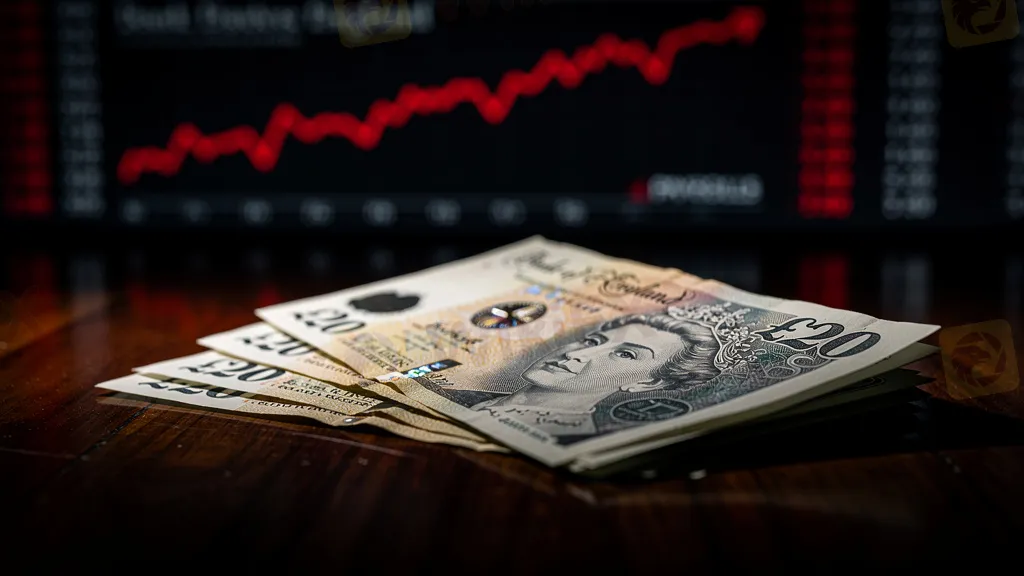
The British Pound faced renewed selling pressure, trading flat near 1.3429 against the Dollar, after dismal labor market data signaled that the Bank of England's (BoE) restrictive policy is biting hard into the real economy.
Key Data Snapshot
- Payroll Change: -43,000 (December)
- Wage Growth: 3.6% (vs expectations)
- Unemployment Rate: 5.1%
- Price Level: 1.3429 (GBP/USD)
Labor Market Cracks
Office for National Statistics (ONS) data revealed a sharp contraction in employment, with payrolls shrinking by 43,000 in December—double the market's expected decline and the fastest drop since 2020.
Furthermore, private sector wage growth cooled to 3.6% in the three months to November, significantly undershoot expectations.
Monetary Implications
The data provides the BoE with ample ammunition to justify further monetary easing. While the headline unemployment rate remains elevated at 5.1%, the rapid deceleration in wage pressures addresses one of the central bank's primary inflation concerns.
Markets have fully priced in one rate cut this year, with the probability of a second cut rising to roughly 70%. With the US labor market showing comparative resilience, the widening growth divergence between the US and the UK leaves GBP/USD vulnerable to further downside in the near term.
Disclaimer:
The views in this article only represent the author's personal views, and do not constitute investment advice on this platform. This platform does not guarantee the accuracy, completeness and timeliness of the information in the article, and will not be liable for any loss caused by the use of or reliance on the information in the article.
WikiFX Broker
Latest News
Still Trusting Telegram Signals? This Is Why You Are Still Not a Profitable Trader
WikiFXDarwinex Review: Regulated but Office Not Found with Trader Complaints?
WikiFXBROKSTOCK Review: What Traders Should Know Before Depositing
WikiFXRBI Ends Deposit Rate Discrimination Between Branches
WikiFXOROKU EDGE Review: Blacklisted by SCM Malaysia and Users Report Frozen Funds
WikiFXWhy Do Forex Brokers Show Different USD/MYR Quotes?
WikiFXReview 2026: Dollars Markets Regulation, Withdrawal Complaints, and Platform Risks
WikiFXCapital Guard Liquidated: $17.4m Raised, Most Funds Gone
WikiFXPocket Broker Review: Is Your Deposit Safe?
WikiFXIs Octa Safe for Malaysian Traders? Deep Dive into Octa's Regulatory Status
WikiFX