


Global Broker Regulation Inquiry App
About WikiFX
English
简体中文
繁體中文
English
Pусский
日本語
ภาษาไทย
Tiếng Việt
Bahasa Indonesia
Español
हिन्दी
Filippiiniläinen
Français
Deutsch
Português
Türkçe
한국어
العربية
اردو
New Trade Probes Reshape U.S. Tariff Strategy
Abstract:Washington has launched a series of new trade investigations following a major legal setback that invalidated key emergency tariffs. According to Bloomberg, the administration is rebuilding its tariff
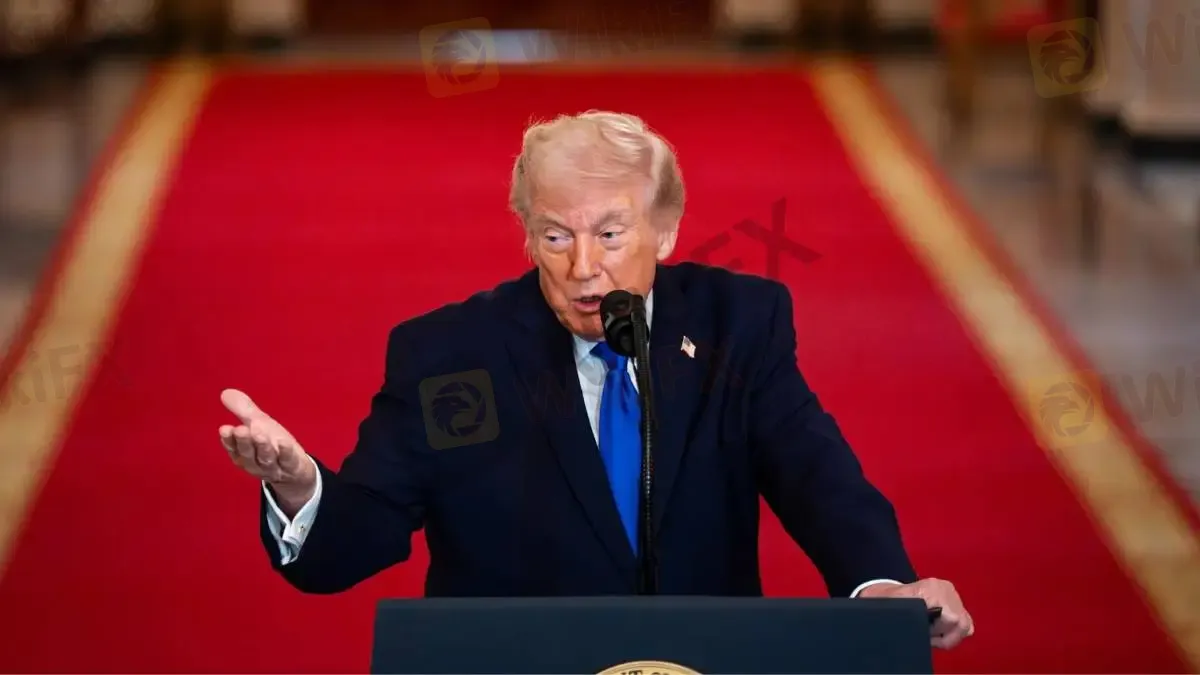
Washington has launched a series of new trade investigations following a major legal setback that invalidated key emergency tariffs. According to Bloomberg, the administration is rebuilding its tariff framework using alternative legal tools designed to withstand court scrutiny.
Shift to National Security Justifications
A central focus of the new probes is Section 232 of the Trade Expansion Act of 1962, which allows tariffs on imports deemed threats to national security. Investigations are targeting sectors such as batteries, telecommunications equipment, industrial chemicals, and power grid components—industries framed as critical to economic and security resilience.
By using national security as a legal foundation, policymakers aim to preserve tariff leverage while reducing the risk of further judicial reversals.
Broader Trade Enforcement Tools
Officials are also considering actions under Section 301 of the Trade Act of 1974, which addresses unfair trade practices. These probes could expand scrutiny to technology restrictions, digital taxes, and industrial overcapacity involving major trading partners.
This dual-track strategy gives Washington flexibility to justify tariffs on both security and fairness grounds.
Global and Domestic Impact
International partners, including the European Union and key Asian economies, are closely monitoring the investigations. The mere launch of new probes introduces uncertainty into global supply chains and trade negotiations.
At home, the strategy aims to protect strategic industries while balancing inflation and economic growth concerns. However, critics warn that expanded tariff use could trigger retaliation and raise consumer costs.
Bottom Line
The new trade probes mark a strategic reset in U.S. tariff policy. Rather than broad emergency measures, Washington is shifting toward targeted, legally grounded investigations that maintain economic leverage while navigating tighter judicial constraints.
Disclaimer:
The views in this article only represent the author's personal views, and do not constitute investment advice on this platform. This platform does not guarantee the accuracy, completeness and timeliness of the information in the article, and will not be liable for any loss caused by the use of or reliance on the information in the article.
WikiFX Broker
Latest News
SEVEN STAR FX Review 2026: Should You Trade with This Broker?
 WikiFX
IG Review 2026: Regulation Strength, Clone Warnings, and Withdrawal Complaints
WikiFXReview 2026: OROKU EDGE Regulation Warnings, Withdrawal Complaints, and High Leverage Risks
WikiFXOANDA Review: Regulation Strength Meets Broker Withdrawal Complaints
WikiFXMetadoro Review 2026: Should You Trade with This Broker?
WikiFXTMGM Review 2026: Should You Trade with This Broker?
WikiFXFX CTRUM Review 2026: Unregulated Status and Deposit Complaints
WikiFXmarkets.com Review 2026: Regulation Concerns and Withdrawal Delays
WikiFXTelegram Banned in India? Here's What Traders Must Do Next
WikiFXBank of England holds interest rates at 3.75% amid Iran war peace prospects
WikiFXCurrency Calculator
USD

CNY
Current Rate:0
Enter amount
USD
Redeemable Amount
CNY
Calculate 