

Global Broker Regulation Inquiry App
About WikiFX
English
简体中文
繁體中文
English
Pусский
日本語
ภาษาไทย
Tiếng Việt
Bahasa Indonesia
Español
हिन्दी
Filippiiniläinen
Français
Deutsch
Português
Türkçe
한국어
العربية
اردو


Oil Markets Brace for "Total Interruption" as Strait of Hormuz Traffic Halts

WikiFX
|


Abstract:Crude oil prices have spiked dangerously as tanker traffic in the Strait of Hormuz halts and Iran threatens to target regional energy infrastructure. Analysts warn that a sustained blockade could push oil beyond $108 per barrel, complicating the global inflation outlook.
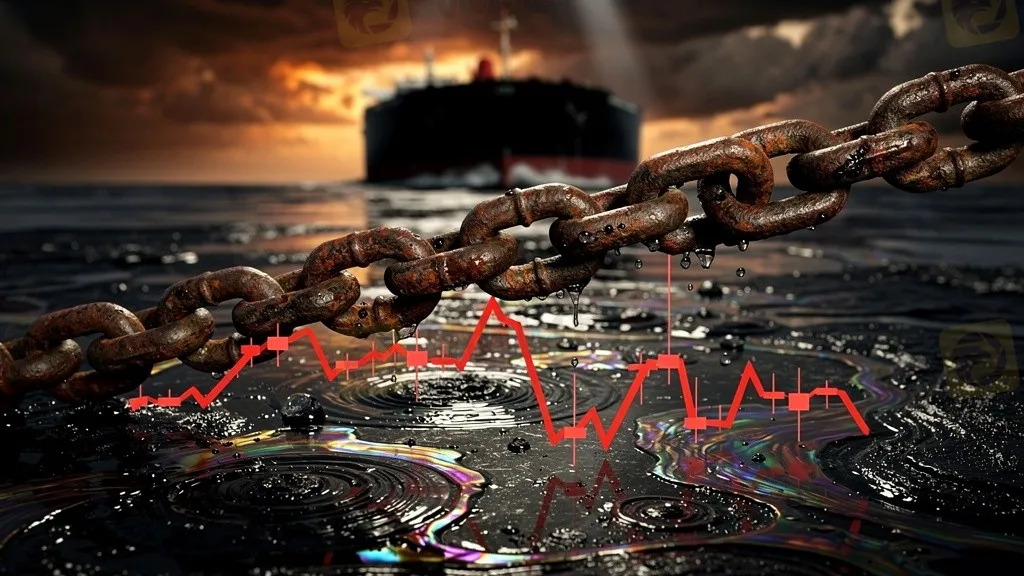
Crude oil prices are reacting violently to what traders fear is the “worst-case scenario” for global energy supply: a blockade of the Hormuz Strait. The geopolitical escalation has triggered significant intraday volatility across energy benchmarks.
- Brent Crude spiked over 13% intraday—its largest single-day move since March 2022—before settling around $77.51.
- WTI surged 7.3% to close at $71.94.
The Chokepoint Crisis
Digital signals indicate that oil tanker traffic through the Strait of Hormuz—a waterway responsible for 20-30% of global oil supply—has effectively flatlined. Reports confirm three vessels were attacked near the entrance to the Persian Gulf.
In response to potential targets, the IRGC has issued explicit threats to destroy regional energy infrastructure, transforming shipping risks from theoretical to imminent physical destruction.
Goldman Sachs commodities data suggests the most destructive risk profile is a “sustained total interruption,” while Bloomberg Economics estimates that a prolonged blockade could see prices gap up to $108 per barrel immediately.
Inflationary Feedback Loop
The energy shock comes at a fragile moment for central banks. With US Producer Price Index (PPI) already coming in hotter than expected, a war-driven oil spike risks unanchoring inflation expectations.
- India: Imports 90% of its oil; severe pressure on the Rupee and energy-sensitive stocks.
- China Petroleum: Shares hit an 11-year high in Shanghai as investors scramble for energy exposure.
BNP Paribas notes that traders are closely monitoring conflict duration. If the US is drawn into a ground war, the resulting oil shock could force the Federal Reserve to keep rates higher for longer.
Disclaimer:
The views in this article only represent the author's personal views, and do not constitute investment advice on this platform. This platform does not guarantee the accuracy, completeness and timeliness of the information in the article, and will not be liable for any loss caused by the use of or reliance on the information in the article.
WikiFX Broker
Latest News
Poland: Growth supported by investment rebound – ING
WikiFXJapanese Yen dips further despite hotter inflation, upbeat employment data
WikiFXMexican Peso tumbles as Warsh embarks on inflation fight
WikiFXSilver Price Forecast: False breakout and hawkish Fed sink XAG
WikiFXSouth Korean Won: BoK tightening supports KRW against US Dollar – Commerzbank
WikiFXDow Jones Industrial Average round-trips a Fed that promised nothing
WikiFXEC Markets Marketing Director Nick Xydas Steps Down
WikiFXOEXN Broker Review: Regulated but is it Safe for Traders?
WikiFXFXDD Malta Licence Ends: What Traders Need to Know
WikiFXBreaking: Nonfarm Payrolls benchmark revision to lower US employment by 79,000 through March 2026
WikiFX