

Global Broker Regulation Inquiry App
About WikiFX
English
简体中文
繁體中文
English
Pусский
日本語
ภาษาไทย
Tiếng Việt
Bahasa Indonesia
Español
हिन्दी
Filippiiniläinen
Français
Deutsch
Português
Türkçe
한국어
العربية
اردو


How To Know You Have Been Scammed

WikiFX
|


Abstract:Investment scams in Malaysia are not random crimes. They are sophisticated criminal enterprises run by organised syndicates that have perfected the art of psychological manipulation.
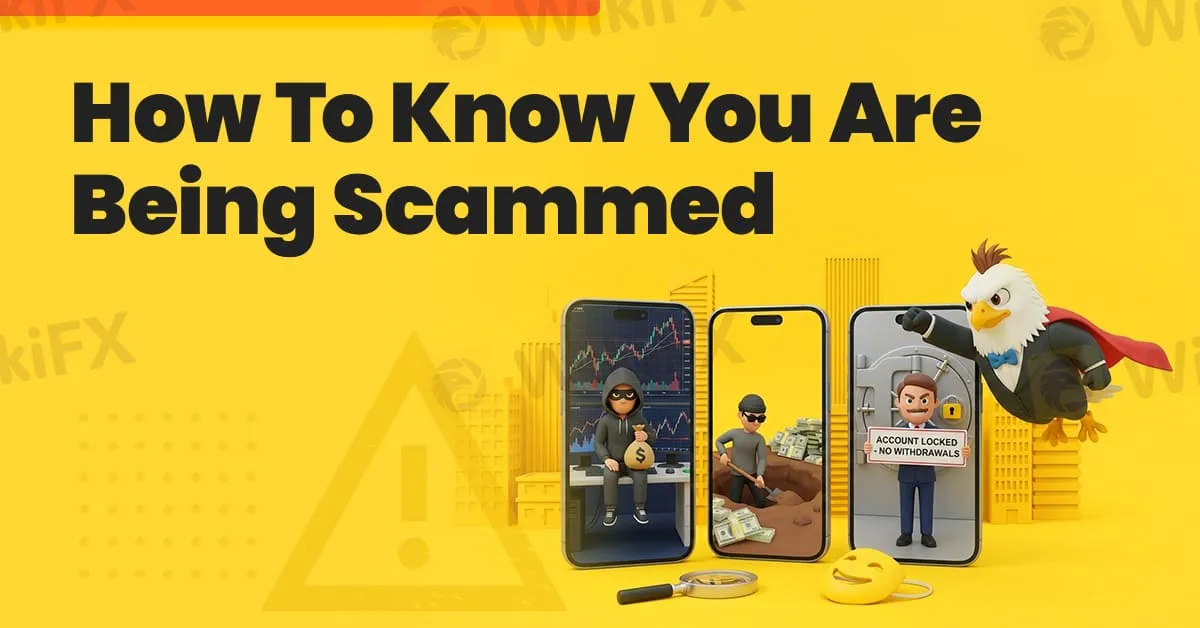
The scale of the crisis is staggering. In 2024 alone, Malaysians lost RM54.02 billion to scams. That is nearly 3% of our entire GDP. Investment scams account for 23% of all reported cases, and this is just what we know. The real number is far worse because 70% of victims never report their losses, paralysed by shame.
Here is the brutal truth: whilst you are reading this article, someone in Malaysia is transferring their life savings to a scammer. The question is no longer if you will encounter a scam. The question is whether you will recognise it before it destroys you financially.
The Anatomy of Malaysia's Biggest Investment Scams
Investment scams in Malaysia are not random crimes. They are sophisticated criminal enterprises run by organised syndicates that have perfected the art of psychological manipulation. These operations span across Southeast Asia, employ cutting-edge technology, and target="_blank" kwlink="6384064000816950219725">target everyone from young professionals to retirees.
The first half of 2025 saw a shocking 60.8% increase in investment scam cases compared to 2024, with losses exceeding RM750 million. But statistics cannot capture the human cost. Behind every number is a family destroyed, a retirement ruined, a future stolen.
To understand how these scams work, you need to know the warning signs. More importantly, you need to understand how past scams operated so you can recognise when history is repeating itself with a new disguise.
Warning Signs That Should Trigger Immediate Alarm
Guaranteed High Returns
If anyone promises you guaranteed returns of 20% monthly, 100% annually, or any figure that seems extraordinary, you are looking at a scam. The world's best traders average 20% to 40% annually, not monthly. Legitimate investments always carry risk. Anyone who tells you otherwise is lying to your face.
Pressure to Invest Immediately
Scammers create artificial urgency. “Limited spots available.” “This offer expires tonight.” “Only for VIP members.” These are manipulation tactics designed to prevent you from thinking clearly or conducting proper research. Real investment opportunities do not vanish overnight, and legitimate advisers encourage you to take time, ask questions, and verify information.
Unlicensed and Unverified Operators
Check every investment platform against the Securities Commission Malaysia's official register. If they claim to be “regulated” but do not appear on SC's list, you are dealing with criminals. In 2024, the SC took action against major operators like Bybit for operating illegally in Malaysia. These platforms often display fake licences or claim authorisation from foreign regulators that have no jurisdiction in Malaysia.
Personal Bank Account Transfers
No legitimate investment company will ever ask you to transfer money into a personal bank account. If you receive instructions to deposit funds into an individual's account instead of a verified company account, stop immediately. You are being scammed.
Social Media Solicitations
Scammers hunt on Facebook, WhatsApp, Telegram, and TikTok. They create polished advertisements, manufacture fake testimonials, and even impersonate celebrities. The Malaysian Communications and Multimedia Commission blocked over 3.1 billion scam calls in 2024 and removed more than 30,000 fraudulent contents in just the first four months of 2025. Yet the scammers keep evolving.
Malaysia's Infamous Investment Scams: Lessons Written in Blood and Lost Savings
MBI International: The RM3.8 Billion Catastrophe
MBI International, founded by Tedy Teow, evolved from a purported luxury property venture into a massive cross-border pyramid scheme centred on a digital currency called “M Coin,” allegedly defrauding millions and leading Malaysian authorities to seize billions in assets, including properties, yachts, and bank accounts.
Genneva Gold: The RM10 Billion Gold Investment Fraud
Genneva Gold operated between 2008 and 2012 as a so-called shariah-compliant gold investment company promising 2% to 3% monthly returns, but in reality functioned as a Ponzi scheme that relied on new investor funds to sustain payouts before collapsing and leaving tens of thousands facing heavy losses.
JJ Poor to Rich: The RM1.7 Billion Forex Fraud
JJ Poor to Rich (JJPTR), founded by Johnson Lee in 2015, claimed it could deliver 20% monthly returns through forex trading and attracted hundreds of thousands of investors before imploding in 2017 amid allegations of fabricated losses and fraudulent operations.
All three schemes projected legitimacy through polished marketing, public endorsements, professional offices, and respected public personas, masking fundamentally unsustainable business models. Despite arrests, prosecutions, and asset seizures, the vast majority of victims across these cases have recovered little to none of their lost savings.
What To Do Right Now If You Suspect a Scam
Time is everything. If you suspect you have been scammed or are being targeted, act immediately.
Contact These Numbers Immediately:
- National Scam Response Centre: 997
- Bank Negara Malaysia Fraud Alert: 1-300-88-5465
- Securities Commission Malaysia: 03-6204 8999 or email aduan@seccom.com.my
- Royal Malaysia Police Commercial Crime: 03-2610 1222
Take These Actions:
- Contact your bank immediately to freeze accounts and stop transactions
- File a police report with the Royal Malaysia Police
- Report to Bank Negara Malaysia and the Securities Commission
- Gather all documentation, screenshots, bank statements, and communications
- Do NOT confront the scammer or warn them you are taking action
Verify Before You Invest:
- Check the SC's Investment Alert List and Public Register
- Verify against Bank Negara Malaysia's Financial Consumer Alert List
- Use the SEMAK Mule portal to verify bank accounts and phone numbers
- Search the company on CheckBeforeYouBuy platform
- Never rely solely on what the company tells you
Remember the stories of MBI, Genneva, and JJPTR. Remember the billions lost. Remember the families destroyed. These were not isolated incidents. They are proof that scammers operate at massive scale, for years, whilst hiding behind respectability.
Your money is under attack right now. Scammers are hunting for their next victim on social media, through phone calls, and via WhatsApp messages. They are patient, professional, and ruthless.
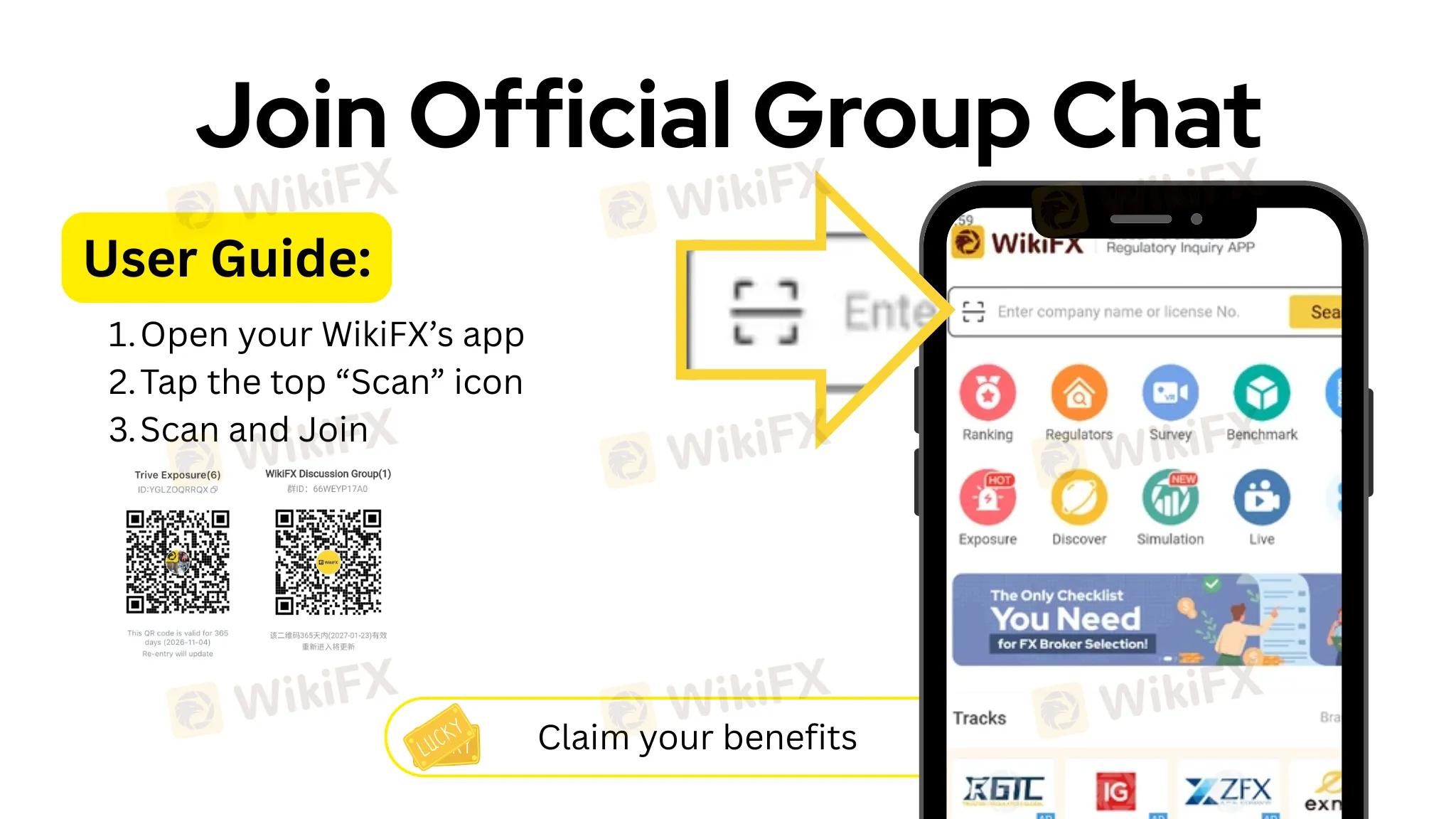
To prevent falling victim to fraudulent schemes like such, using tools like WikiFX can be a game-changer. WikiFX provides detailed information on brokers, including regulatory status, customer reviews, and safety ratings, allowing users to verify the legitimacy of any investment platform before committing their money. With access to in-depth insights and risk alerts, WikiFX equips potential investors with the resources to make informed decisions and avoid unauthorised or unlicensed entities. By checking with WikiFX, users can confidently protect their savings and avoid the costly traps set by unscrupulous investment syndicates.
Disclaimer:
The views in this article only represent the author's personal views, and do not constitute investment advice on this platform. This platform does not guarantee the accuracy, completeness and timeliness of the information in the article, and will not be liable for any loss caused by the use of or reliance on the information in the article.
WikiFX Broker
Latest News
Australian Dollar drifts higher above 0.7200 despite as strong US NFP
WikiFXUSDCAD H4 | Bearish Rejection — Downside Targets in Focus
WikiFXSwiss Franc weakens as US Dollar strengthens on Fed rate hike bets
WikiFXCouple Faced Over RM1.5 Million Loss After Stock Tip Scheme
WikiFXAustralian Dollar posts fresh three-month high amid hawkish RBA prospects
WikiFXOANDA Is Shutting Down MT4 Trading by 25 September 2026
WikiFXBlackwell Global UK Loss Widens as Revenue Falls 37%
WikiFXXMR Markets Review 2026: Allegations of Failed Withdrawals & Bonuses
WikiFXLiquid Network Suffers from a US$320 Million Bitcoin Hack
WikiFXBritish Pound climbs as USD fades, Hormuz risk keeps Fed in play
WikiFX