Abstract:The individual is facing four counts of commercial and organised fraud. Although the defendant’s lawyers are questioning the liability of a tech provider for the “misuse of its product by third parties”, prosecutors say that some Airsoft employees were directly involved in certain cases.
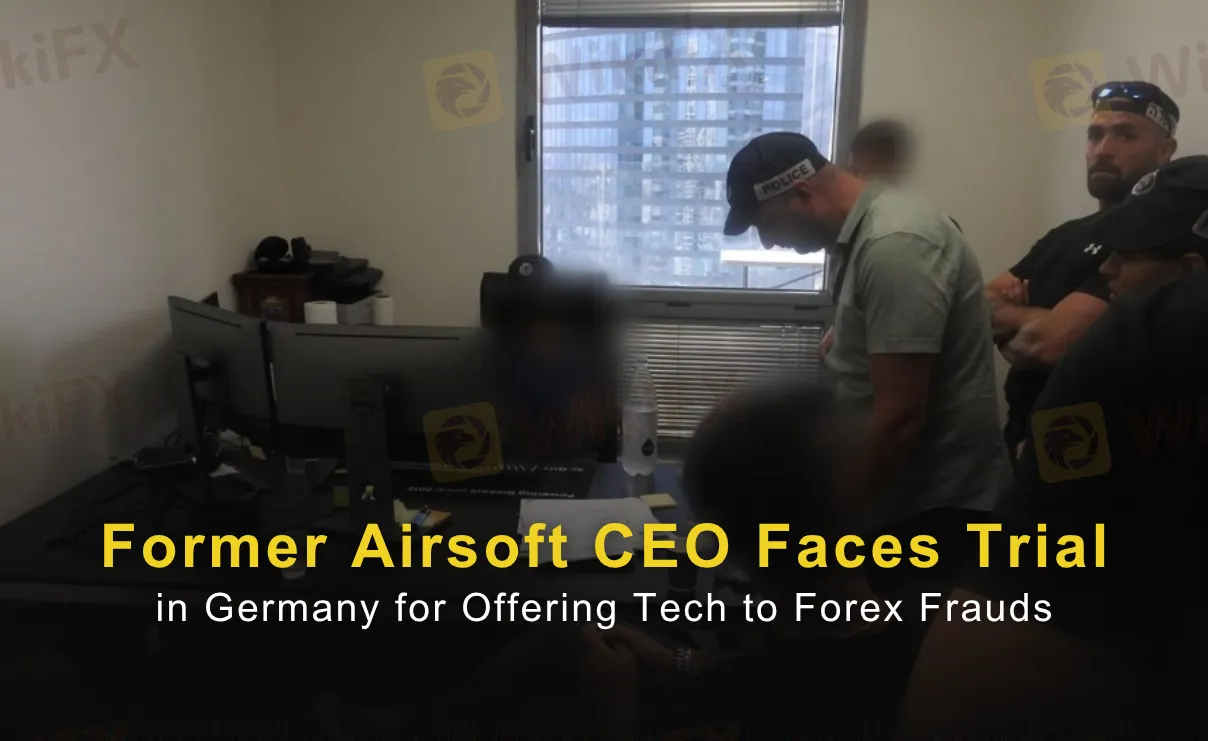
A German court has commenced legal proceedings against the former chief executive officer of Israeli technology firm Airsoft, over allegations that the companys brokerage software was knowingly supplied to scam operations. Prosecutors estimate that victims across multiple countries suffered financial losses exceeding €94 million, highlighting the scale and cross-border nature of the case.
According to reports, the accused, who led Airsoft from March 2015 until at least June 2021, is facing four counts of commercial and organised fraud. While Airsoft itself did not directly defraud investors, authorities allege that the company provided essential technological infrastructure that enabled fraudulent trading platforms to operate. This includes an “all-in-one brokerage solution” that allowed scam syndicates to set up professional-looking trading environments capable of deceiving investors.
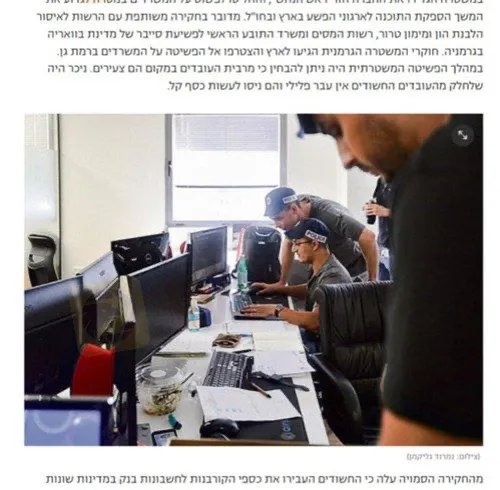
The case follows earlier enforcement actions, including a 2023 raid on Airsoft‘s office in Tel Aviv by Israeli authorities investigating links to forex-related fraud. German prosecutors further stated that the former CEO had “knowingly and willingly” facilitated the use of Airsoft’s systems by criminal groups operating across several jurisdictions. These groups allegedly used the software to run fake investment platforms such as Huludox, Fibonetix, Nobeltrade, Tradecapital and Forbslab. The operators behind these platforms were previously convicted in Germany, having conducted large-scale scams through call centres based in countries including Bulgaria, Serbia, Ukraine, Georgia, Israel and Kosovo.
At the centre of the case is the question of accountability within the financial technology ecosystem. Although the former CEO has reportedly acknowledged certain factual elements, he has largely denied any criminal intent. His legal representatives have challenged the basis of the charges, arguing that the court must determine under what circumstances a software provider can be held legally responsible for how third parties misuse its products.
However, prosecutors contend that Airsofts involvement went beyond passive provision of software. The indictment suggests that the company generated revenue from clients later identified as scammers, potentially under a revenue-sharing model commonly used in the brokerage technology industry. In some instances, the case alleges that Airsoft employees were required to assist in configuring or supporting the systems, which may indicate a deeper level of operational involvement.
This trial is expected to set an important precedent, particularly in defining the legal boundaries for technology providers in the financial sector. As digital trading platforms continue to expand globally, the outcome could influence how responsibility is assigned when legitimate tools are used to facilitate fraudulent activities.