

Global Broker Regulation Inquiry App
About WikiFX
English
简体中文
繁體中文
English
Pусский
日本語
ภาษาไทย
Tiếng Việt
Bahasa Indonesia
Español
हिन्दी
Filippiiniläinen
Français
Deutsch
Português
Türkçe
한국어
العربية
اردو


eToro Review 2026: Regulatory Lawsuits, Clone Scams, and Withdrawal Complaints

WikiFX
|


Abstract:While eToro operates under strict oversight from major authorities like the FCA and ASIC, a pending ASIC lawsuit regarding high-risk CFD products and a sharp rise in withdrawal disputes warrant serious attention. The broker’s tendency to migrate certain user accounts to offshore entities also raises red flags for retail trader protection.
Executive Summary (TL;DR): While eToro is a highly visible platform with top-tier licenses from the FCA and ASIC, underlying risks exist. A recent ASIC lawsuit concerning CFD product risks, combined with dozens of trader complaints about withdrawal issues and forced offshore account migrations, suggests traders must verify which jurisdiction will actually hold their funds before depositing.
Before you find a broker to trust with your capital, it is critical to look past heavy advertising and examine a company's operational track record. In this eToro review, we break down what the latest regulatory filings and trader exposure logs reveal about this massive UK-headquartered platform. Currently holding a WikiFX score of 7.58, eToro maintains a powerful global influence. However, with 47 user complaints logged in recent months, you need to understand the specific risks hiding beneath the surface.
 Contents
Regulation and Safety
A look at eToro's regulation status reveals a complex and tiered structure. On the strong side, the broker is overseen by some of the most well-respected financial watchdogs globally, including the UK FCA (eToro (UK) LIMITED), Cyprus CySEC, Australia ASIC, and the Monetary Authority of Singapore (MAS).
However, eToro also holds an offshore license with the Seychelles FSA. This is a critical detail because the regulatory protections you receive depend entirely on which entity you are registered under. Several user complaints indicate that the broker has shifted accounts from strictly regulated zones out to the Seychelles, effectively stripping those users of top-tier legal safety nets.
Furthermore, major regulators have flagged serious, real-world issues. Most notably, in 2023, Australia's ASIC filed a lawsuit against eToro regarding its Contract for Difference (CFD) products. ASIC alleges that eToro's target market was dangerously broad and its screening tests were inadequate, systematically exposing nearly 20,000 retail clients to high-risk, volatile products where the vast majority lost money. Additionally, the Philippines SEC explicitly blacklisted eToro in 2024, warning the public that the platform allows citizens to trade unregistered investment products without local authorization.
Lastly, due to eToro's immense popularity, the UK FCA has issued multiple warnings against clone scams—unauthorized websites like “Finvoire” and “AI-Arbitrage” that actively mimic eToro's company details to phish users.
Platform and Account Access
Instead of providing access to industry-standard third-party terminals like MetaTrader 4 or 5, eToro relies exclusively on its own proprietary mobile and desktop applications. While this isolated software ecosystem is highly customizable and easy for beginners to navigate, it falls short on modern security standards.
Data indicates that the platform currently lacks advanced secure account access measures, notably missing two-factor authentication (2FA) and biometric login capabilities. Given the high volume of clone sites attempting to steal user credentials, this lack of login security is a glaring vulnerability. Whenever you initiate an eToro login, you must meticulously verify that you are on the official domain to prevent account hijacking.
Trader Complaints and Exposure Cases
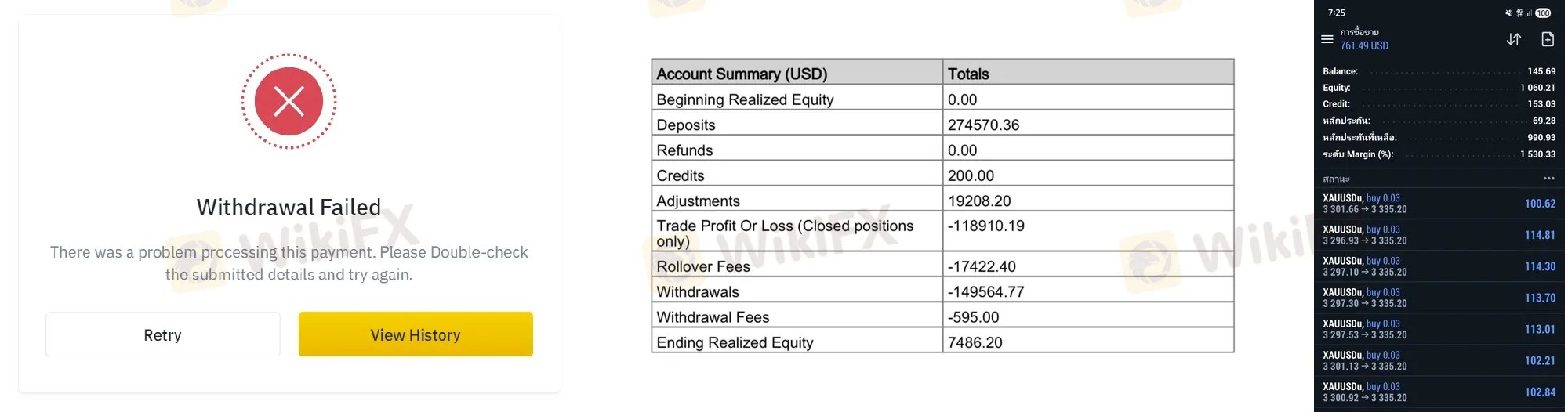
The operational reality of trading on this platform becomes much clearer when reading the recent exposure logs from actual users. Over the last few months, severe points of friction have emerged in customer feedback:
Final Verdict: Should I open an account?
eToro is undeniably a massive, globally established broker holding top-tier licenses from the FCA, CySEC, and ASIC. However, holding a strong license is not the same as behaving flawlessly. The pending ASIC lawsuit concerning aggressive marketing of risky CFDs, combined with public warnings from the Philippines SEC, shows a company currently under intense regulatory scrutiny.
For retail traders, the continuous stream of blocked withdrawals and the documented tactic of migrating user accounts to offshore Seychelles entities means you must tread very carefully. Additionally, the source data lacks explicit transparency regarding Forex trading costs, live spreads, or leverage caps, meaning you take on execution cost risks within their proprietary ecosystem.
Status changes daily. Before depositing, check the WikiFX App for the latest real-time certificate and confirm exactly which regulatory jurisdiction will govern your specific account.

Disclaimer:
The views in this article only represent the author's personal views, and do not constitute investment advice on this platform. This platform does not guarantee the accuracy, completeness and timeliness of the information in the article, and will not be liable for any loss caused by the use of or reliance on the information in the article.
WikiFX Broker
Latest News
OtetMarkets Review: Traders Report Frozen Funds and Withdrawal Blocks , Score Sits at 2.00
WikiFXIs Octa Safe for Malaysian Traders? Deep Dive into Octa's Regulatory Status
WikiFXPocket Broker Review: Is Your Deposit Safe?
WikiFXReview 2026: Dollars Markets Regulation, Withdrawal Complaints, and Platform Risks
WikiFXCapital Guard Liquidated: $17.4m Raised, Most Funds Gone
WikiFXSingapore Dollar Holds Tight Range as FOMC Looms
WikiFXHow a 'Legitimate' Investment Became a RM67.5 Million Ponzi Scheme That Scammed 206 Investors
WikiFXRupee Hits Two-Week High as RBI Defends 97 Mark
WikiFXForexMart Review: Profit Canceled, Principal Withheld, and a Broker Warning Traders Cannot Ignore
WikiFXTitan Capital Markets Review 2026: Complaints, Withdrawals, and Severe Risk Signals
WikiFX