


Global Broker Regulation Inquiry App
About WikiFX
English
简体中文
繁體中文
English
Pусский
日本語
ภาษาไทย
Tiếng Việt
Bahasa Indonesia
Español
हिन्दी
Filippiiniläinen
Français
Deutsch
Português
Türkçe
한국어
العربية
اردو
How Loss Aversion Turns Small Mistakes Into Revenge Trades
Abstract:Revenge trading happens when the intense pain of a loss drives you to open impulsive, high-risk trades just to win your money back. Driven by the sunk cost fallacy and loss aversion, this emotional reaction replaces clear market analysis with fear and greed. Learn how to recognize when you have lost control of your trading and discover practical steps to step away and protect your capital.
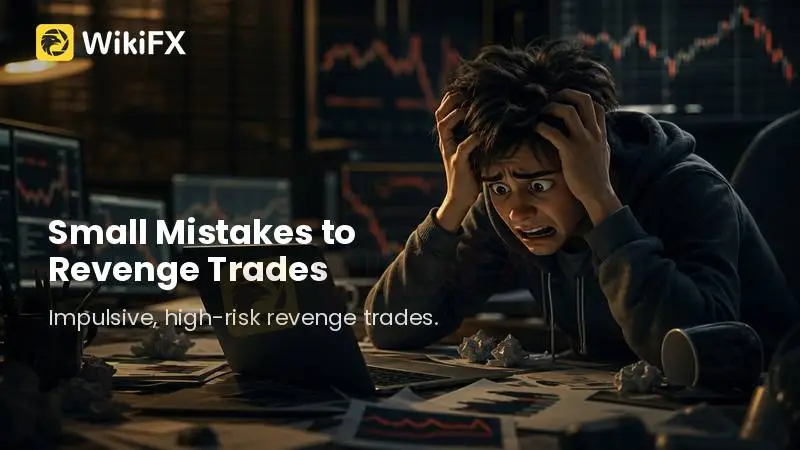
You open a trade, set your stop-loss, and watch the market. A sudden price drop hits your stop-loss, closing the trade. You just lost money. Instantly, you feel a mix of frustration and urgency. Within seconds, you open a new, much larger position in the opposite direction. You are no longer trading based on analysis. You are trying to force the market to give your money back.
This is what we call revenge trading, or what many beginners describe as losing their head. It destroys trading accounts faster than almost any other mistake. But why does this happen to smart people? The answer lies in behavioral economics and how our brains handle risk.
 Contents
The Brain Science Behind the Urge to Trade Again
When you lose money on a trade, you are experiencing what behavioral economists call the “sunk cost fallacy.” A sunk cost is simply money, time, or effort that is already gone and cannot be recovered. Rational decision-making dictates that sunk costs should not influence your next move. If a trade setup was bad, you should accept the result and walk away.
However, the human brain is not wired for steady financial discipline. We suffer from a psychological bias known as loss aversion. Studies show that humans feel the pain of losing money much more intensely than the happiness of making that exact same amount. When you take a loss, your brain registers it as a serious threat. This pain makes it incredibly hard to accept the missing money and move on.
Instead, you fall into commitment bias. You struggle to admit you were wrong about the market direction. You hold onto the false belief that the market simply must turn around to correct the injustice. So, you pour more money into a failing idea, trying to undo a loss that has already happened.
Falling for Market Sentiment and Greed
When you are deep in a revenge trading mindset, you stop looking at objective data. You might have originally planned your trade using technical analysis—looking at price trends, moving averages, or chart patterns to predict where supply and demand are heading.
But once you lose your cool, technical analysis goes out the window. You start trading purely on market sentiment. Sentiment is the overall mood of the market, which is almost always driven by crowd psychology, fear, and greed.
When you are emotional, you might accidentally chase a “melt-up.” This happens when investors stampede into a rising asset purely out of the fear of missing out, driving prices up artificially without any fundamental backing. If you buy into a rapid market movement blindly just because it looks fast, you are gambling on crowd momentum rather than solid market structure. When that temporary momentum breaks, you suffer another heavy loss.
How to Know When You Have Lost Control
How can you tell if you are just adjusting a strategy or actively pulling a revenge trade? Ask yourself what data is driving your current decision.
If you are entering a new position because you spotted a clear technical pattern and the risk matches your physical daily limit, you are trading normally. If you are entering a position simply because you are calculating how much you need to win to get back to your morning account balance, you are revenge trading.
Another warning sign is ignoring your own preset rules. The moment you manually widen a stop-loss because you cannot accept being stopped out again, commitment bias has taken over. You are no longer managing risk; you are just hoping to avoid pain.
Breaking the Cycle of Sunk Costs
Avoiding the sunk cost trap requires strict self-awareness. When you take a loss, do not immediately open a new chart.
First, try shifting your focus to future returns. Look at your trading screen and ask yourself one simple question: “If I had not just lost money ten minutes ago, would I actually take this new trade?” If the honest answer is no, close the platform.
Second, stick to the hard limits you set before the trading session began. Set a maximum daily loss limit. If you hit it, you are done for the day. You cannot recover a blown account, but you can always trade tomorrow if you preserve your capital.
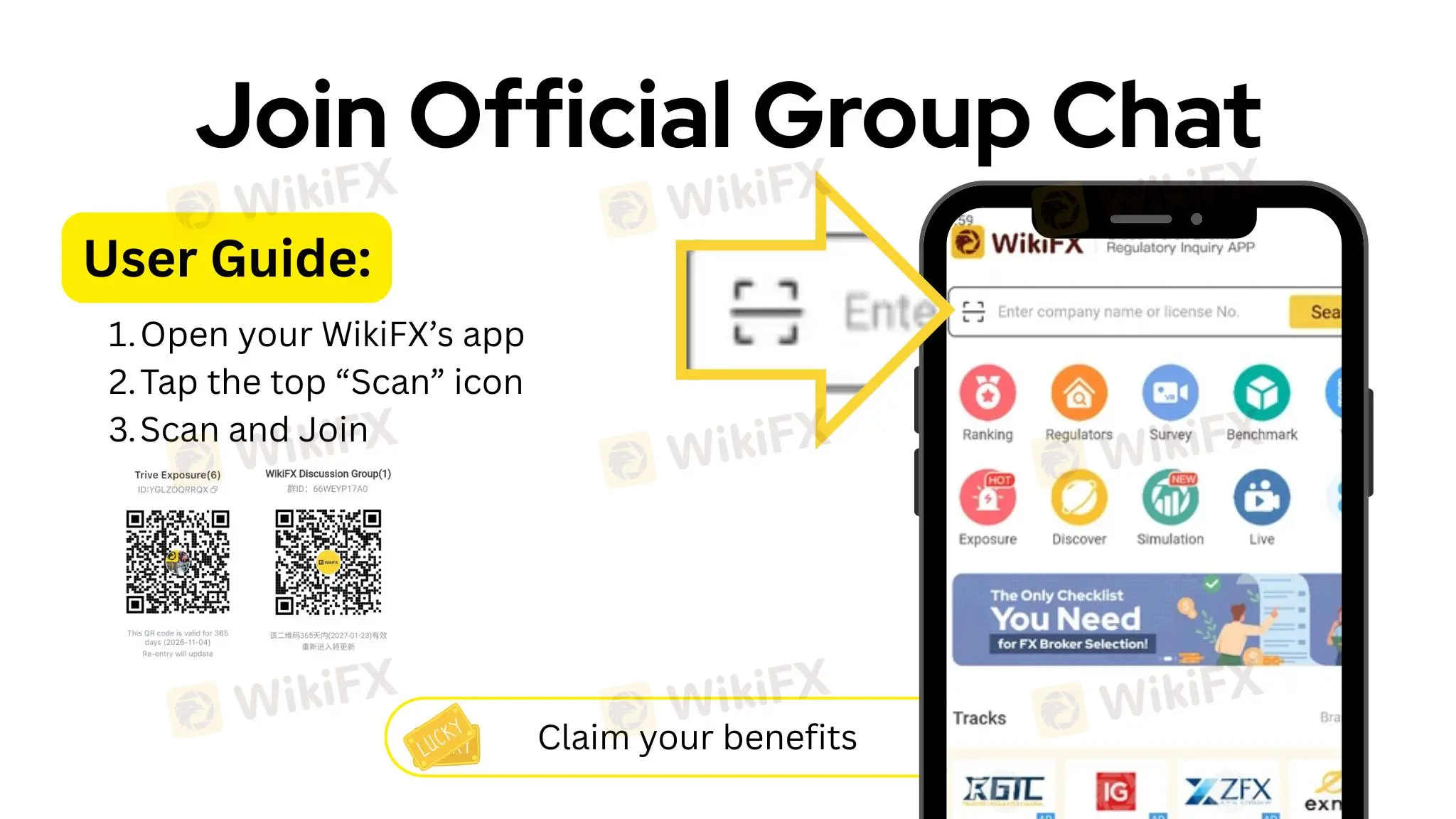
Sometimes, stepping away from the screen is the best financial decision you can make. If you string together multiple losses and start questioning if you are dealing with unfair spreads or bad platform execution, do not just throw more money at the problem. Take a break. You can use that downtime to check your broker's regulatory status and reliability on the WikiFX app to ensure you are trading on a fair platform. Keep your focus on protecting your capital, rather than fighting a market that does not know or care who you are.

Disclaimer:
The views in this article only represent the author's personal views, and do not constitute investment advice on this platform. This platform does not guarantee the accuracy, completeness and timeliness of the information in the article, and will not be liable for any loss caused by the use of or reliance on the information in the article.
WikiFX Broker
Latest News
OROKU EDGE Review 2026: Blacklist Warnings, Withdrawal Complaints, and High Leverage
 WikiFX
Reading the Market Weather: How to Identify Forex Trends and Ranges
WikiFXUsing Volatility and ATR to Fix Your Forex Stop Loss
WikiFXIs It Your Fault for Falling for an Investment Scam?
WikiFXPIPS STAR Review 2026: Unregulated Status and What Indian Traders Should Check
WikiFXHousewife Loses RM250,000 Life Savings to Ghost Investment Scheme Promising 10% Returns
WikiFXDeltaFX Review 2026: My MT5 Account Was Locked During Trade. Did the Trader Lose Everything?
WikiFXCan AI Really Improve Forex Trading? The Benefits, Risks and Hidden Limitations
WikiFXStoneX Review 2026: Should You Trade with This Broker?
WikiFXYen Firms While Dollar Pauses
WikiFXCurrency Calculator
USD

CNY
Current Rate:0
Enter amount
USD
Redeemable Amount
CNY
Calculate 