


UK Retail Sales July 2026 Fall 0.5%: What the Result Means for GBP
UK retail sales fell 0.5% in July 2026, while the three-month measure rose 1.1%. See the ONS details and what the mixed result may mean for GBP.
Original

简体中文
繁體中文
English
Pусский
日本語
ภาษาไทย
Tiếng Việt
Bahasa Indonesia
Español
हिन्दी
Filippiiniläinen
Français
Deutsch
Português
Türkçe
한국어
العربية
اردو




Abstract:With the proliferation of both regulated and unregulated brokers, the distinction between the two can often be blurred by enticing promotions and promises of quick returns. However, these differences are not just bureaucratic technicalities—they are pivotal to your trading experience and, ultimately, your financial security.
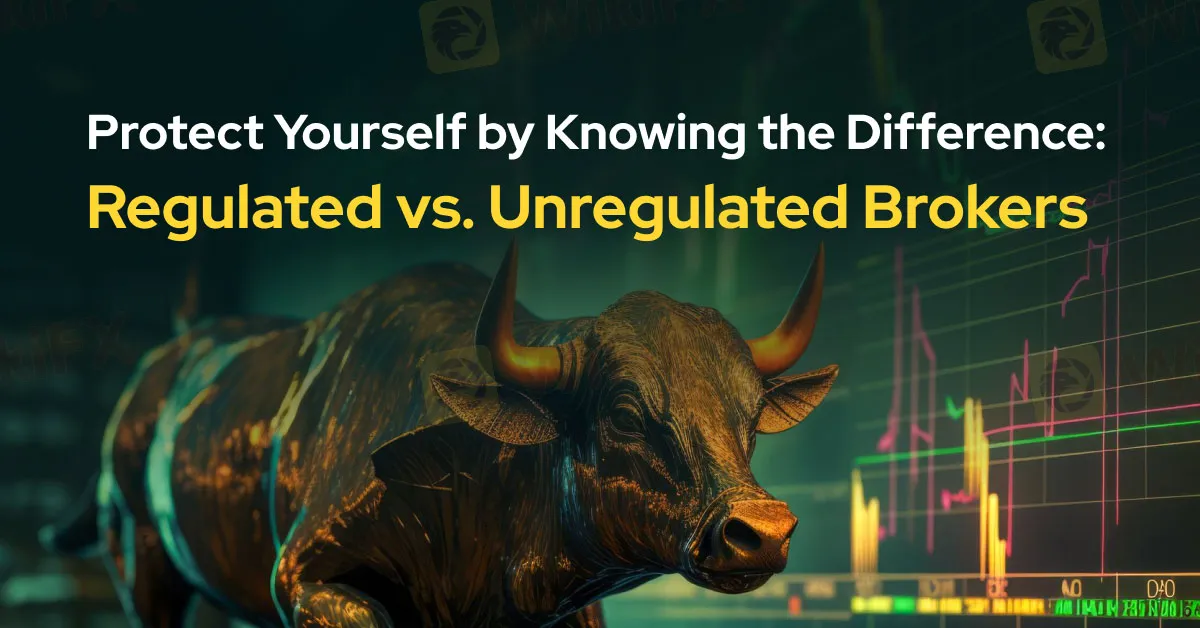
In the dynamic world of online trading, where opportunities abound, the choice of a broker is one of the most critical decisions a trader can make. With the proliferation of both regulated and unregulated brokers, the distinction between the two can often be blurred by enticing promotions and promises of quick returns. However, these differences are not just bureaucratic technicalities—they are pivotal to your trading experience and, ultimately, your financial security.

Regulated brokers operate under the watchful eyes of financial authorities in their respective jurisdictions. These authorities, such as the Financial Conduct Authority (FCA) in the UK, the Australian Securities and Investments Commission (ASIC), and the Cyprus Securities and Exchange Commission (CySEC), impose stringent requirements to protect traders. These regulations ensure that brokers conduct business in a fair, ethical, and transparent manner, providing a secure trading environment.
One of the most significant advantages of trading with a regulated broker is the protection of client funds. Regulated brokers are required to keep client funds in separate accounts from their operating funds. This segregation of funds ensures that, in the event of the brokers insolvency, traders' funds remain untouched and secure. This layer of financial protection is critical in safeguarding your capital from potential risks.
Moreover, regulated brokers are held to a high standard of accountability. In the event of a dispute, traders have the assurance that they can seek recourse through the regulatory body overseeing the broker. This framework for dispute resolution is a vital safety net, providing traders with a formal avenue to address grievances and seek justice, something unregulated brokers typically do not offer.
Transparency is another hallmark of regulated brokers. They must adhere to strict reporting and auditing standards, ensuring that traders have access to accurate and up-to-date information about the brokers financial health and business practices. This transparency fosters trust and enables traders to make informed decisions based on reliable data, which is crucial in the often volatile world of trading.
Finally, the operational integrity of regulated brokers is closely monitored by regulatory authorities. These brokers are prohibited from engaging in deceptive practices such as price manipulation or slippage beyond market norms. This level of oversight ensures a fair and consistent trading environment, allowing traders to focus on their strategies without worrying about unethical practices that could compromise their trades.

In stark contrast, unregulated brokers operate without any oversight from financial authorities. While they may lure traders with attractive onboarding promotions, such as bonus funds, lower spreads, or higher leverage, these incentives often mask the inherent risks of trading with such entities.
One of the most glaring risks is the lack of fund security. Unregulated brokers are not bound by any rules regarding the segregation of client funds. This means that in the event the broker faces financial difficulties or decides to cease operations, your money could be at significant risk, potentially leading to substantial losses with little to no hope of recovery.
Furthermore, without a regulatory body to oversee their operations, unregulated brokers often leave traders with no legal recourse in the event of a dispute. This lack of protection can be devastating for traders who find themselves in a situation where their broker has acted unfairly or dishonestly.
Unregulated brokers are also notorious for their opaque business practices. Without the requirement to adhere to any reporting standards, these brokers operate in a veil of secrecy, leaving traders in the dark about the broker‘s financial stability or ethical conduct. This lack of transparency can lead to manipulative practices, such as altering trade outcomes or delaying withdrawals, which are detrimental to the trader’s experience and financial health.
Perhaps the most significant risk associated with unregulated brokers is the high likelihood of encountering scams. The online trading space has seen a surge in fraudulent brokers, many of whom operate without any form of regulation. These brokers often engage in unethical and illegal activities, such as manipulating trades, withholding funds, or disappearing entirely with client deposits.

To navigate these risks and make informed decisions, traders can utilize platforms like WikiFX. WikiFX offers a comprehensive database of broker reviews, regulatory statuses, and user feedback, enabling traders to evaluate brokers thoroughly before making a commitment. By providing insights into a brokers regulatory compliance and operational history, WikiFX can be a valuable tool in ensuring that your chosen broker adheres to the highest standards of integrity and transparency.
The allure of quick profits and tempting promotions should never outweigh the importance of security and reliability. Traders must conduct thorough due diligence before engaging with any broker. This includes verifying the brokers regulatory status, reading reviews from other traders, and understanding the risks associated with unregulated brokers.
In conclusion, the difference between a regulated and unregulated broker can be the difference between a secure trading experience and a financial nightmare. By choosing a regulated broker and leveraging resources like WikiFX, traders can protect themselves from the myriad risks associated with unregulated entities. The importance of this decision cannot be overstated—after all, in the world of trading, your capital is your most valuable asset.

Disclaimer:
The views in this article only represent the author's personal views, and do not constitute investment advice on this platform. This platform does not guarantee the accuracy, completeness and timeliness of the information in the article, and will not be liable for any loss caused by the use of or reliance on the information in the article.
UK retail sales fell 0.5% in July 2026, while the three-month measure rose 1.1%. See the ONS details and what the mixed result may mean for GBP.
Pakistan forex reserves stood at $22.506 billion on 13 August 2026, while the SBP dashboard showed a USD/PKR mark to market rate of 277.5713 on 20 August. This article separates the SBP forex reserves facts from predictions about the Pakistan rupee and the forex market Pakistan.
A multi-asset liquidity solution can help a broker support FX, CFDs, commodities, and indices through a more unified operating model. But adding asset classes can also create fragmented symbols, pricing, routing, margin rules, records, and client messages if controls are not designed first. This 2026 guide explains how a multi asset liquidity provider, forex CFD liquidity setup, commodity liquidity provider, and indices liquidity provider fit into a broker-owned execution service. It outlines the due-diligence questions, shared-control model, cost drivers, and 90-day implementation plan that help teams expand without making the execution chain harder to explain. The aim is not to promise deeper liquidity or better trading outcomes. It is to create evidence that a broker can supervise market access, trace order events, reconcile costs, and communicate consistently to the relevant clients when conditions are difficult.

Gold surged above $4,500 after the US Treasury expanded its purchases of longer-dated government bonds, pushing yields and the dollar lower. But this was not debt forgiveness or Federal Reserve money printing—it was a liquidity operation that exposed a much bigger fear: America may be finding it increasingly difficult to live with market-driven interest rates.
WikiFXWikiFXWikiFXWikiFXWikiFXWikiFXWikiFXWikiFXWikiFXWikiFX