Abstract:An urgent analysis of MultiBank Group following a surge of over 600 complaints in just three months. While the broker projects the image of a global giant, WikiFX has received alarming reports suggesting a pattern of profit erasures, retroactive "gambling" accusations, and a persistent inability to process basic withdrawals.
An urgent analysis of MultiBank Group following a surge of over 600 complaints in just three months. While the broker projects the image of a global giant, WikiFX has received alarming reports suggesting a pattern of profit erasures, retroactive “gambling” accusations, and a persistent inability to process basic withdrawals.
Anonymity Disclaimer: All stories cited below are based on real administrative records lodged with the WikiFX support center. Trader identities have been obscured to protect their privacy.
The “Profit Deletion” Protocol
The most disturbing trend identified in our analysis of recent trader feedback is not just the inability to withdraw, but the refusal to acknowledge legitimate profits. For African traders who rely on market volatility to grow capital, MultiBank Group's recent administrative decisions present a critical risk.
Records show a specific pattern: traders operate normally for years, but the moment a significant profit is realized, the account is flagged. One trader, a client of six years, reported that after securing a profit, their account was suddenly labeled as having “gambling behavior.” The broker used this classification to void the profits and retract bonuses, despite the trader using the exact same strategy they had employed for years without issue.
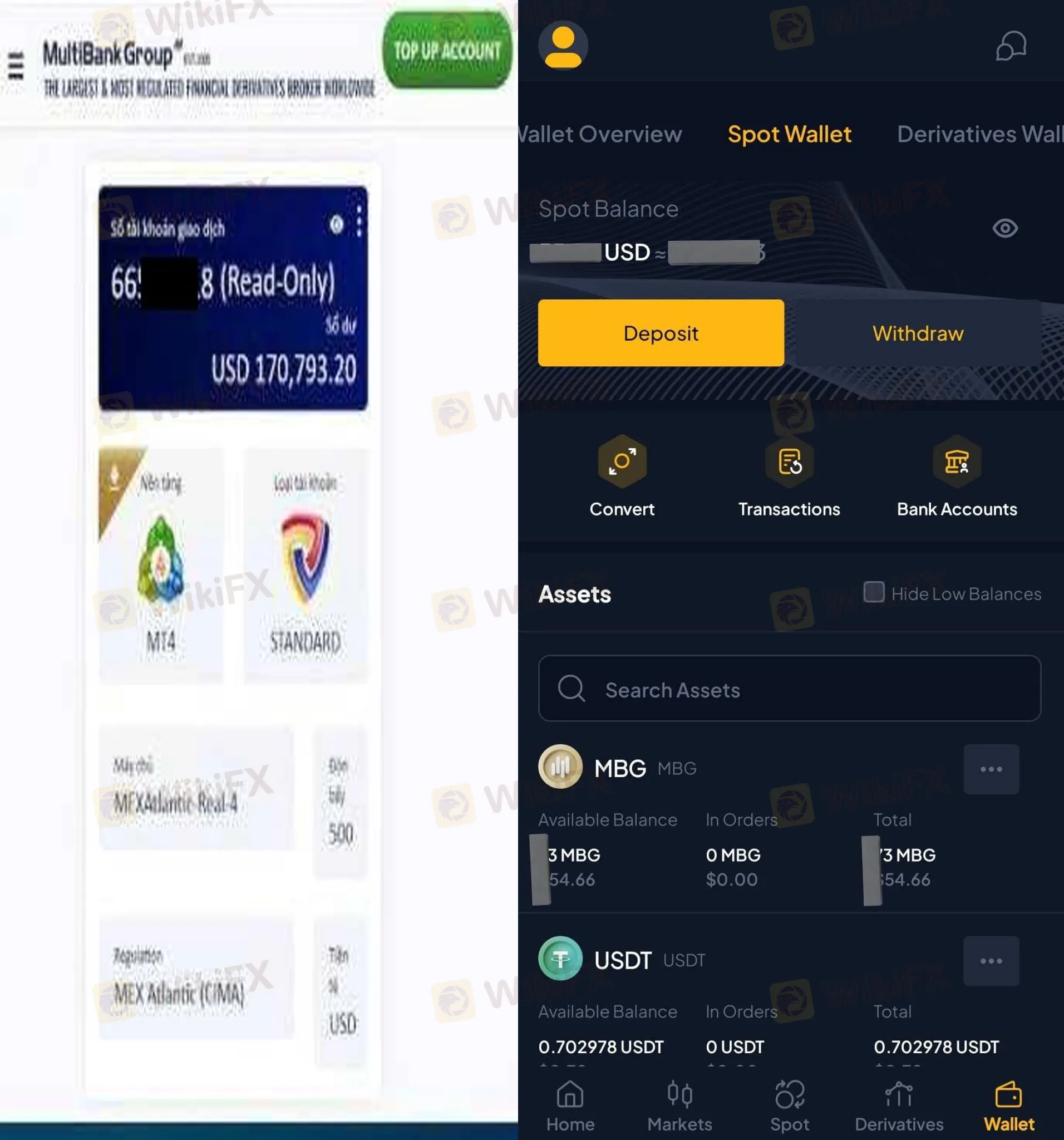
Another report details a scenario where a trader used a bonus to open positions. When the trade was successful, the broker accused the client of “bonus abuse” to justify withholding the funds. However, when similar trades resulted in losses, no such “abuse” was flagged. This creates a “heads we win, tails you lose” environment where the broker appears to only accept client losses.
Regulatory Audit: The Safety Illusion
MultiBank Group markets itself heavily on its regulatory status. To the average eye, they appear heavily licensed. However, a granular audit of the WikiFX regulatory database reveals a chaotic mix of valid licenses, offshore registrations, and revoked authorities.
Crucial Note: A valid license in one country (like Germany) does not necessarily protect a client registered under an offshore entity (like Vanuatu or BVI).
Warning: The existence of “Revoked” and “Unverified” entities within the group structure introduces significant risk. Furthermore, regulatory warnings from Spain (CNMV) and France (AMF) explicitly blacklist unauthorized domains associated with the group, citing them for offering services without proper authorization.
The Withdrawal Black Hole
While profit disputes are complex, the refusal to return initial capital is a straightforward red flag. Multiple recent complaints lodged in late 2024 and throughout 2025 indicate a systemic failure in the withdrawal transfer mechanism.
We have documented cases where users deposited funds, decided not to trade due to negative reviews, and attempted to withdraw their principal immediately. In one specific instance involving a withdrawal request (Ticket #364806992), the funds have been withheld despite the user not executing a single trade.
Relationship Managers (RMs) appear to play a controversial role here. Reports suggest that when traders attempt to withdraw, RMs frequently intervene, pressuring the client to deposit more funds or promising to “fix” the issue if negative reviews are deleted. Once the reviews are removed, communication often ceases, and the funds remain stuck.
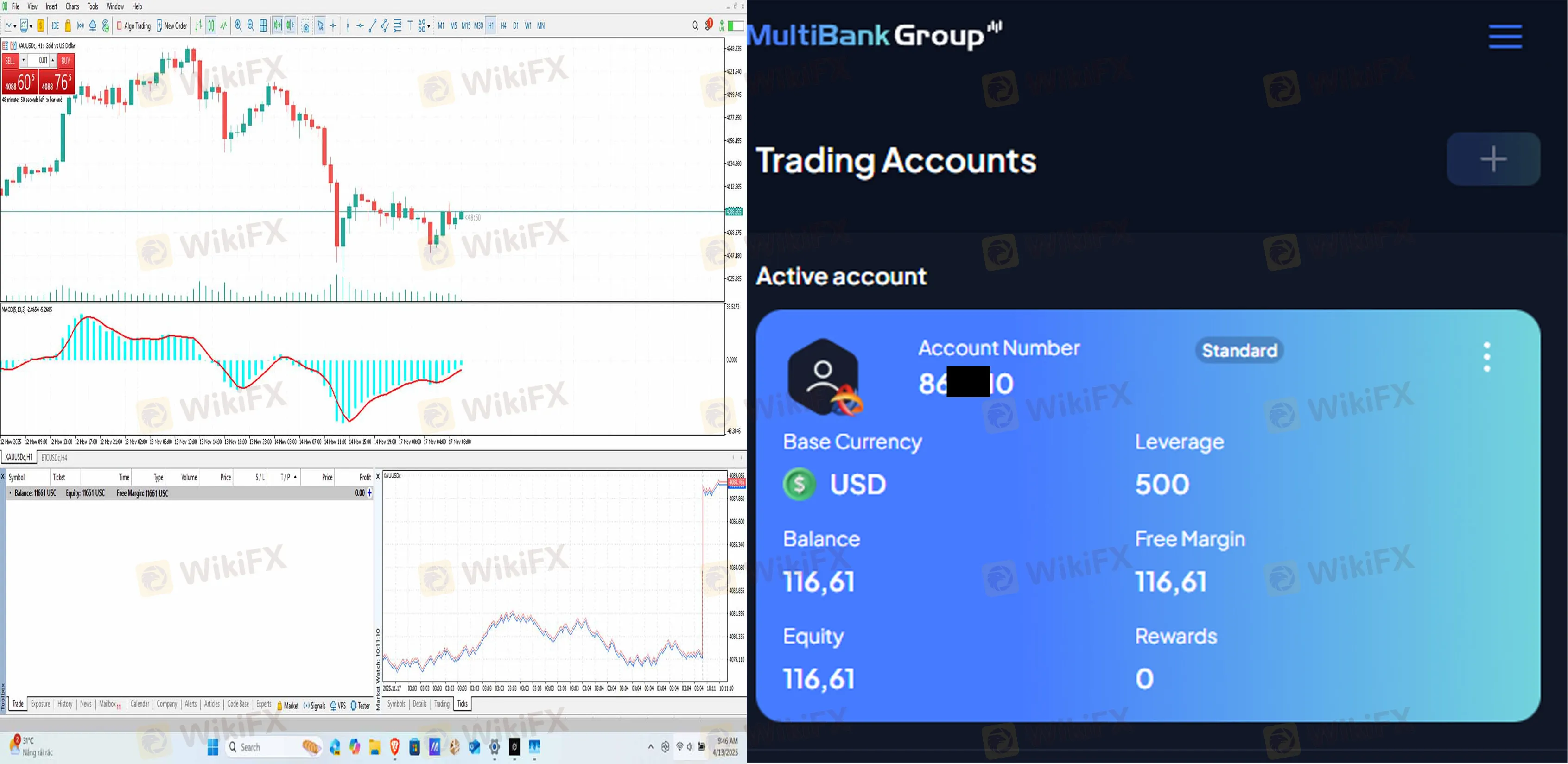
Evidence submitted 2025-11-18: A trader's withdrawal request remains unprocessed despite lack of trading activity.
Forced Liquidation: The “Market Exit” Excuse
A particularly alarming strategy was reported regarding the broker's operations in Southeast Asia, which serves as a warning for other regions. Traders reported receiving a “market exit” notification giving them less than 14 days to close all positions.
For long-term investors holding positions with floating losses (waiting for a market turn), this forced liquidation crystallized losses that might have otherwise recovered. Reports allege that even when traders complied with requests to update their KYC (Know Your Customer) data to a different jurisdiction to keep positions open, the broker proceeded to force-close the trades anyway. This effectively wiped out significant capital under the guise of administrative policy changes.
The “Tax” and “Affiliate” Traps
The operational irregularities extend beyond standard traders to partners and VIP clients.
- The Tax Trap: We have reviewed evidence of clients being told they must pay a “tax” or “verification fee” to release their funds. This is a hallmark of high-risk platforms; legitimate brokers deduct necessary fees from the balance—they rarely ask for external transfers to release money.
- Unpaid Partners: Multiple Introducing Brokers (IBs) and affiliates have reported that MultiBank Group withheld earned commissions (in one case, USD 4,200) without explanation, eventually blocking the partner's account access to prevent them from taking screenshots of their earnings.
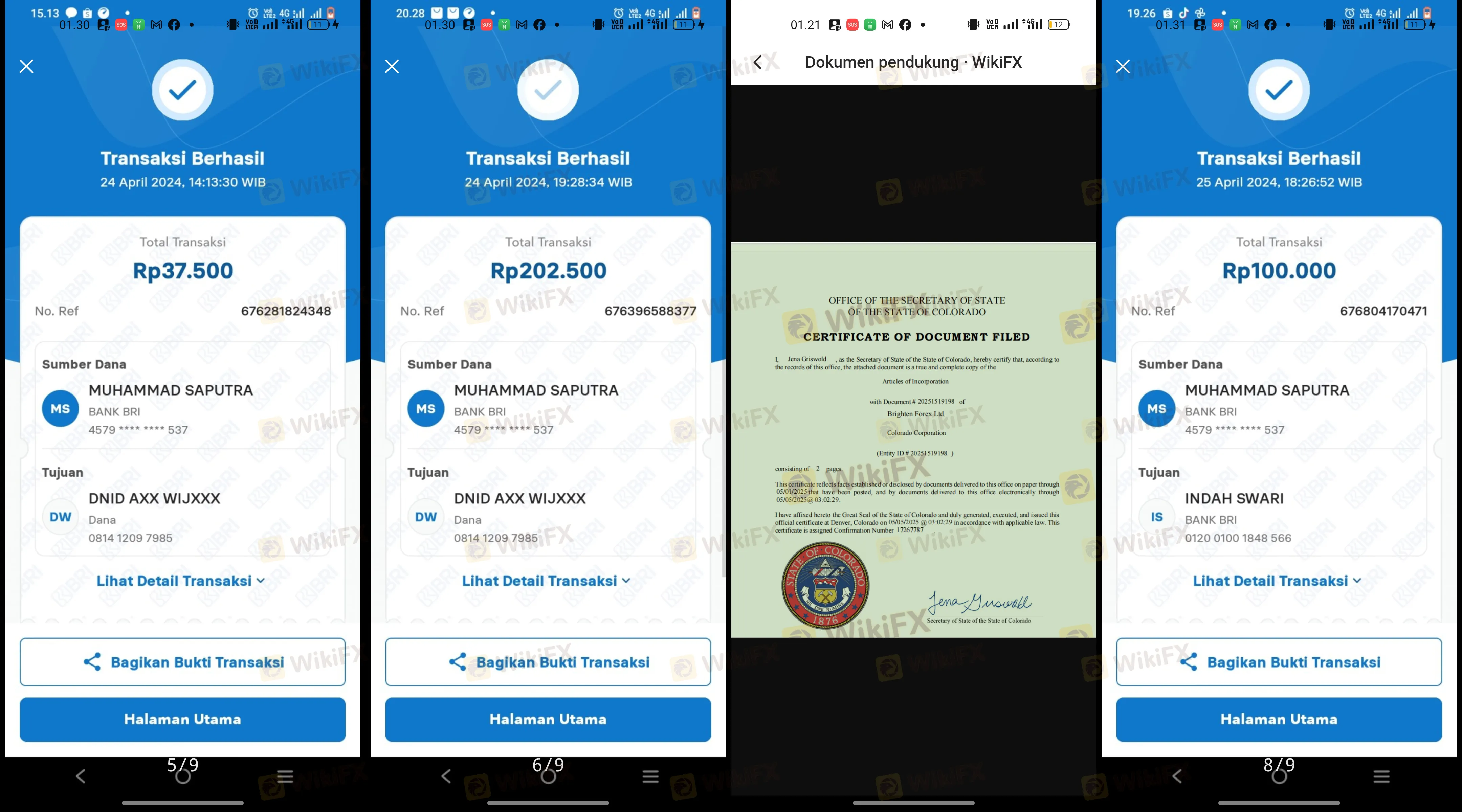
Recent appeal from a user unable to retrieve funds.
Conclusion
MultiBank Group presents a paradox: it holds top-tier licenses in Australia and Germany yet exhibits behavior typically associated with unregulated entities in other regions. The high volume of complaints regarding withdrawal freezes, the aggressive invalidation of profits under “gambling” clauses, and the non-payment of partners suggests a liquidity or operational crisis.
WikiFX Verdict: The influence score of 2.59 reflects these severe risks. Traders are advised to exercise extreme caution, as the regulatory safety net appears to be failing to protect clients in offshore jurisdictions.
WikiFX Risk Warning
Forex and CFD trading involves a high level of risk and may not be suitable for all investors. The information provided in this article is for reference purposes only and stems from direct user complaints and regulatory data available at the time of publication.