


Why Most Retail Traders Fail: What the Numbers Reveal
Retail trading data shows why so many traders quit or lose money, from short survival periods and high costs to overconfidence, emotional decisions, and poor risk control.
Original

简体中文
繁體中文
English
Pусский
日本語
ภาษาไทย
Tiếng Việt
Bahasa Indonesia
Español
हिन्दी
Filippiiniläinen
Français
Deutsch
Português
Türkçe
한국어
العربية
اردو




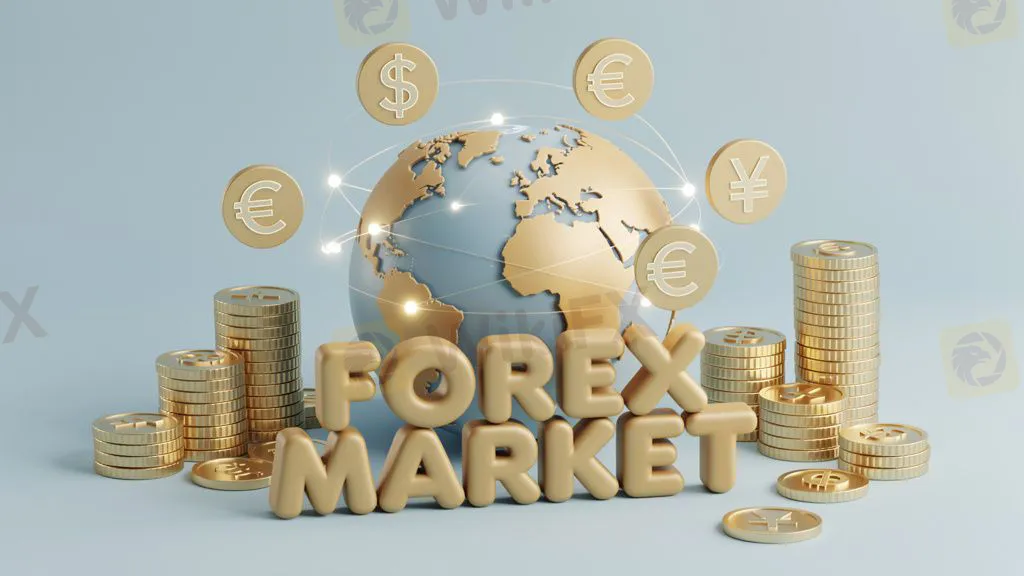
Abstract:In simple terms, Forex is the marketplace where national currencies are exchanged. When a business in Kenya buys machinery from Japan, they have to pay in Japanese Yen. They sell Shillings, buy Yen. That transaction? That is Forex.
Listen, we need to talk.
While you are worrying about the exchange rate changing, someone else on the other side of the screen is trading that change.
They aren't magicians. They are participating in the Foreign Exchange (Forex) market. You‘ve probably heard guru scammers on Instagram promise you millions overnight from this market. Forget that nonsense. Today, I’m going to strip away the hype and show you how the engine actually runs, based on the raw mechanics of global money.
In simple terms, Forex is the marketplace where national currencies are exchanged. When a business in Kenya buys machinery from Japan, they have to pay in Japanese Yen. They sell Shillings, buy Yen. That transaction? That is Forex.
But here is what blows peoples minds: The scale.
The stock market allows you to buy a piece of a company. Its big. But the Forex market is the ocean. We are talking about $6 to $7 trillion traded every single day. It is the largest, most liquid financial market on earth. Because it is so huge, it is very hard for one person to manipulate it (unlike some crypto coins or penny stocks).
Here is the beauty of it for us in Africa: it doesn't.
Unlike a stock exchange that rings a bell at 4 PM and kicks everyone out, the Forex market is decentralized. It works on a 24-hour cycle, five days a week.
It follows the sun. When the market closes in New York, it's just waking up in Tokyo and Sydney. Then it moves to London (the biggest hub).
You might want to trade “exotic” pairs because they look volatile. Don't do it. As a beginner, that is like trying to drive a Formula 1 car before you can ride a bicycle.
Most professional traders stick to the “Majors.” These are pairs that include the US Dollar (USD) and another powerful economic currency.
Stick to these liquidity kings. They are harder to manipulate, and the transaction costs won't eat your small account alive.
This is where you need to be humble. The Forex market has a hierarchy, and you need to know your place in the food chain.
Does this mean the small fish gets eaten? Not if you are smart. The goal isn't to fight the whales; it represents a chance to swim in their wake. When the big money moves EUR/USD up, you hitch a ride.
Now, lets get real about the risks. Because this market is so massive and decentralized, it attracts verified institutions, but it also acts as a magnet for fake brokers and scammers who want to steal your deposit.
You will see ads for brokers promising “100% guaranteed returns.” That is a lie.
Before you deposit a single cent of your hard-earned money, you need to verify who you are dealing with. Is the broker regulated? Do they have a license? This is where I tell my students to use WikiFX.
Think of WikiFX as your background check tool. You type in the brokers name, and it tells you if they are legitimate or a clone firm trying to rob you. In this game, holding onto your capital is just as important as making a profit. Don't let a scam broker ruin your journey before it starts.
If you are reading this and thinking, “Coach K, I'm ready to buy EUR/USD right now,” stop.
The market is a tool for wealth transfer. It transfers money from the impatient to the patient. Which one will you be?
Disclaimer: This article is for educational purposes only and does not constitute financial advice. Trading Forex involves high risk, and you can lose more than your initial investment. Always do your own research.
Disclaimer:
The views in this article only represent the author's personal views, and do not constitute investment advice on this platform. This platform does not guarantee the accuracy, completeness and timeliness of the information in the article, and will not be liable for any loss caused by the use of or reliance on the information in the article.
Retail trading data shows why so many traders quit or lose money, from short survival periods and high costs to overconfidence, emotional decisions, and poor risk control.
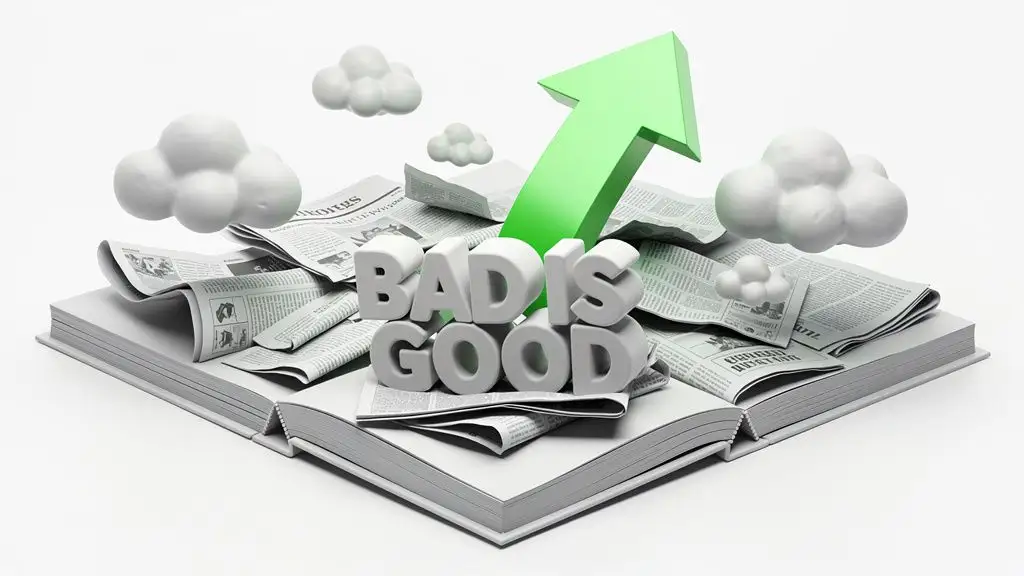
The market is a game of psychology, not just economics. Trade what the chart is doing, not what the news anchor is saying.
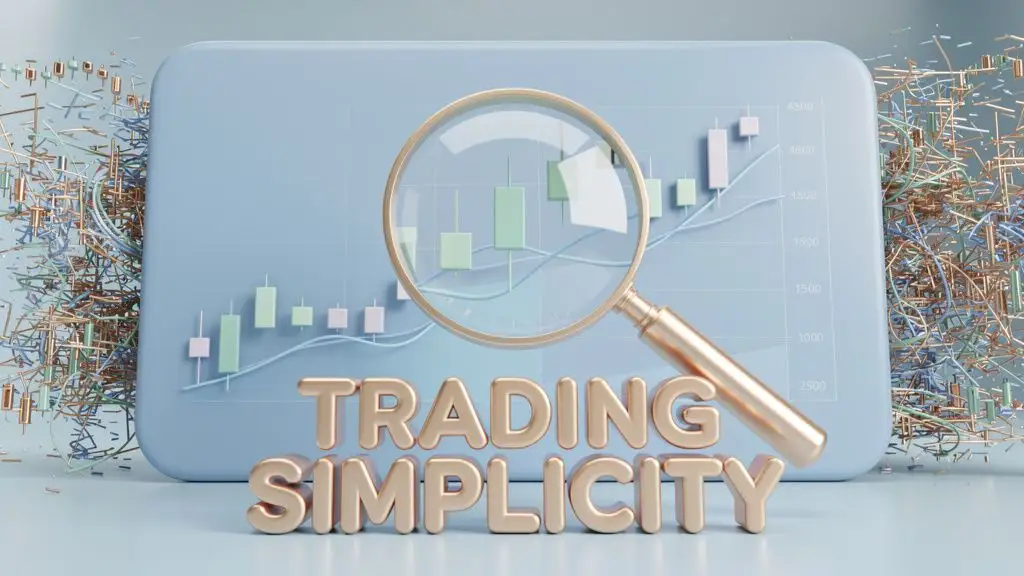
I see it every single day. A student sends me a screenshot of their trading setup, asking why they got stopped out.
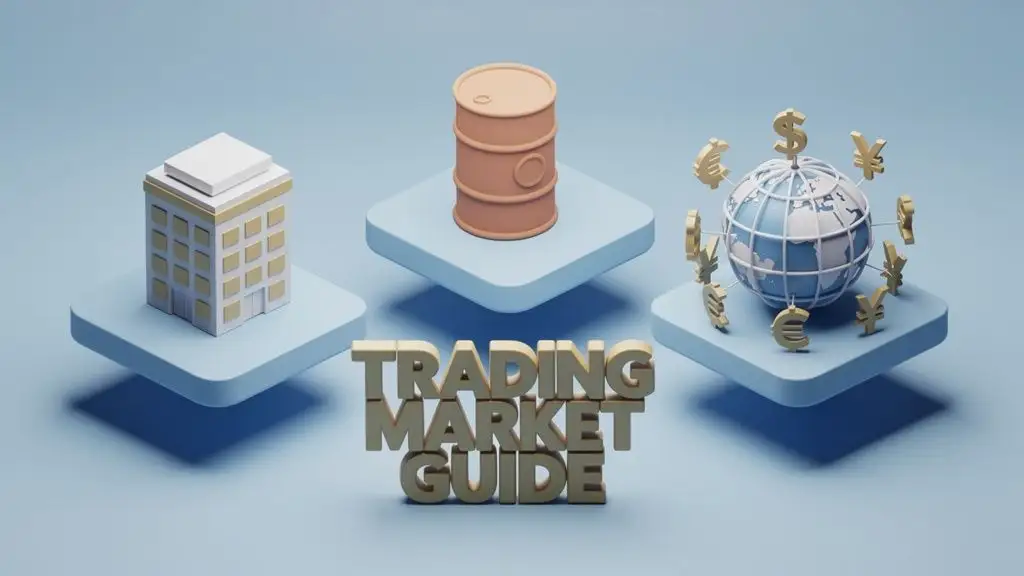
You’ve probably seen the screenshots on social media. Someone turns $500 into $5,000 in a single morning, and suddenly everyone wants to be a trader. But here is the cold reality: trading isn’t a single game. It’s a collection of different battlefields, and if you bring a knife to a gunfight, you’re going to lose your capital.
WikiFXWikiFXWikiFXWikiFXWikiFXWikiFXWikiFXWikiFXWikiFXWikiFX